





Ivory Coast Rushes to Calm Cocoa Farmer Protests as Unpaid Beans Rot and Crisis Spirals
 West Africa WeeklyMay 13, 20262 Mins read1.1k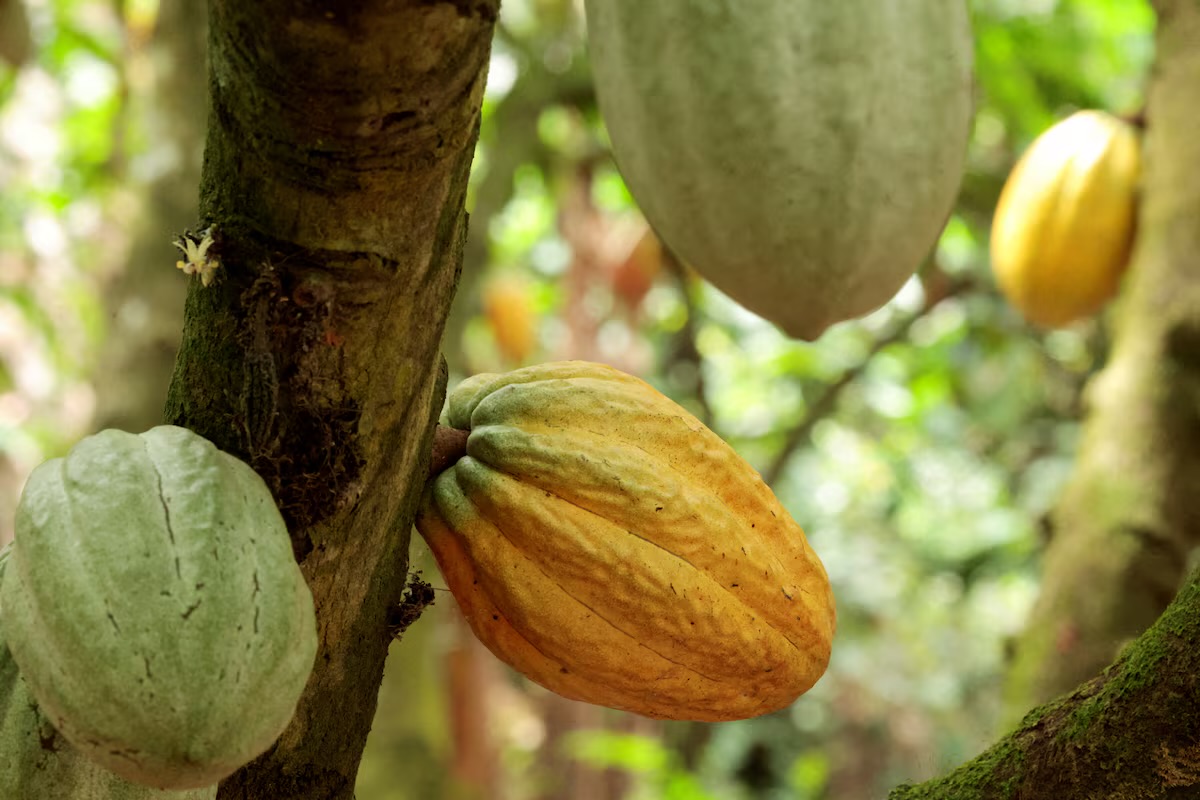
The world’s top cocoa producer is rushing to defuse an escalating crisis in its rural heartland, where unpaid farmers blocked roads and clashed with police last week over rotting cocoa stocks they say were abandoned despite a government pledge to buy the beans. The country’s powerful Coffee and Cocoa Council (CCC) confirmed it will dispatch a delegation to the centre-eastern region, including the town of M’Batto, where authorities used tear gas to disperse dozens of growers who had taken to the streets to demand payment for their harvest.
The upheaval strikes at the very foundation of Ivory Coast’s economy, where more than 40 percent of the global cocoa supply originates. For months, a stark disconnect between international and domestic prices has frozen the sector. Global cocoa values collapsed sharply between November and December 2025, falling far below the local farmgate prices that the CCC sets twice a year. The government subsequently launched a programme to purchase the accumulating unsold stock, but farmers and cooperatives told Reuters that payments for the main harvest, which ran from October 2025 through March 2026, have never arrived.
“We can’t get the main crop price of 2,800 francs per kilogram,” said Salif Kone, a farmer near the western town of Duekoue, describing the impossible choice so many now face. “Instead, the beans from the main crop are going bad, so I sold them for 1,300 francs per kilogram” — the lower mid-crop rate, representing a loss of more than 50 percent.
READ MORE: Ghana World Cup Dreams Dashed as US Embassy Denies Over 400 Visa Applications
The financial hardship runs far deeper than discounted beans. In the centre-western region of Daloa, a cooperative representing more than 300 farmers revealed it is still holding roughly 150 metric tons of unsold cocoa from the main crop. The payment delays have left growers demoralised and deeply distrustful of the cooperative system, with some lacking funds for basic medical treatment. “This situation will affect the next harvest because growers were counting on a lot of money to maintain their plantations,” warned Albert Konan, a farmer and manager of the cooperative.
The Ivorian Platform for Sustainable Cocoa, an advocacy group pushing for governance reforms, acknowledged the scale of the distress while noting that precise estimates of unsold volumes remain elusive. “The government has made efforts to reduce inventories. Despite these efforts, some cocoa has been purchased but the farmers have not received payment. We understand their distress,” said Pauline Zei, the platform’s manager.
For now, international markets have shown limited reaction. A European-based cocoa trader described the situation as localised, with no immediate disruption to global supplies or prices. However, there are growing concerns that if the standoff is not resolved soon, farmers may opt to withhold cocoa from the next season as a form of leverage, potentially introducing volatility into a commodity that underpins a multibillion-dollar global industry.
The dispatch of CCC officials represents a last-ditch effort to restore confidence before the crisis undermines the next main harvest. But on the ground, the resentment is palpable. With beans rotting and bills mounting, many of the farmers who feed the world’s appetite for chocolate are asking a simple question: if the government will not pay for the harvest it promised to buy, why should they plant again?
About The Author



Related Articles
Gambia’s FGM Ban Under Threat as Imam Abdoulie Fatty and MP Almameh Gibba Push to Make Cutting Girls Legal Again
Two men are leading the charge to overturn The Gambia’s ban on...
Peter Obi Rejects $123m Anambra Debt Claim, Says He Left Over $150m in Funds
Peter Obi has rejected claims that he left Anambra State with $123...
Senegal Signs $3.5bn Refinery Deal With Turkey’s Yamata to Process Local Crude, Target West African Fuel Market
Senegal’s state refiner, the Société Africaine de Raffinage (SAR), has signed a...

Tinubu Awards $7bn Ogun Deep Seaport Deal to Chagoury-Linked DP World as Nigerians Question His Priorities
President Bola Tinubu’s administration has awarded two major Ogun State deep seaport...
Leave a comment