




For First Time in 15 Years Nigeria’s Budget Office Fails to Publish Three Consecutive Quarterly Reports Under Tinubu
 West Africa WeeklyMay 12, 20263 Mins read1.4k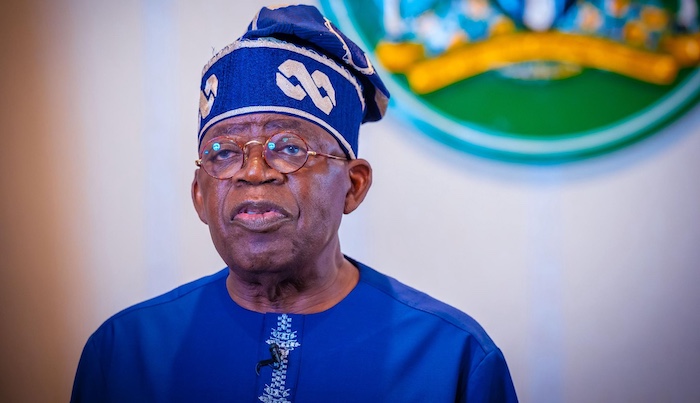
The Nigerian government has chosen to violate the Fiscal Responsibility Act rather than publish statutory budget implementation reports for three consecutive quarters, an investigation by the Foundation for Investigative Journalism has revealed. The Budget Office of the Federation has not published any budget implementation report for the last two quarters of 2025, and as of May 10, 2026, the report for the first quarter of 2026 remains missing. The report for Q1 2026 was legally due on or before April 30.
The Fiscal Responsibility Act of 2007 is clear in its requirements. Section 30 of the Act mandates that the Minister of Finance, through the Budget Office of the Federation, shall monitor and evaluate the implementation of the Annual Budget on a quarterly basis and report to the Fiscal Responsibility Council and the Joint Finance Committee of the National Assembly. Section 50 further requires that within 30 days after the end of each quarter, a summarised report on budget execution shall be published. The government is also required to publish a consolidated budget execution report no later than six months after the end of the financial year.
The current administration has simply ignored these provisions. A check of the Budget Office website reveals that under the Quarterly Budget Implementation page, the most recent reports available are from 2025 and cover only the first and second quarters. The reports for the third and fourth quarters of 2025 have never been published. By comparison, under previous administrations going back to 2010, budget performance reports were consistently published. This is the first time in 15 years that Nigeria’s Budget Office has failed to publish a quarterly performance report.
The violation extends beyond missing reports. The government is currently operating multiple overlapping budgets simultaneously. Nigeria is now executing the 2025 budget, parts of the 2024 supplementary budget, and uncompleted items from the 2024 main budget, meaning three separate budgets are running concurrently within a single fiscal year. This situation suggests serious execution failures and financing problems within the government. As of April 2026, Nigeria was still implementing the capital component of the 2025 budget after its implementation was extended to June 30. Similar capital budget extensions also occurred with the 2024 and 2023 budgets.
READ MORE: Six APC Governors Abandon State Houses for Senate as Nigerian’s Future Slips Further to Ruin
The Fiscal Responsibility Commission, which is supposed to monitor and enforce compliance, appears powerless. The Fiscal Responsibility Act contains 54 identified offences but not a single corresponding sanction, effectively creating a law with no enforcement mechanism. Meanwhile, civil society organisations have repeatedly raised alarm. BudgIT, a leading civic-tech organisation, confirmed that the current administration has not published a single budget implementation report in nearly one fiscal year and called the development a major accountability gap. The Centre for Social Justice has also demanded immediate publication of the signed 2026 budget, noting that it remained hidden from the public more than two weeks after presidential assent.
Opposition figures have seized on the failure. Former Vice President Peter Obi stated that no budget implementation report was released in 2025 regardless of how poor the performance was, adding that no nation can operate with such recklessness and succeed. The government has offered explanations. The Budget Office has attributed the delays to lengthy project verification checks and the transition to a new fiscal framework. However, critics note that the Fiscal Responsibility Act provides no exemptions for delayed approvals or overlapping budget cycles. The law maintains quarterly reporting as a statutory requirement with no exceptions.
The consequences of this persistent violation are severe. Delaying or failing to publish budget reports creates gaps in fiscal transparency and limits public access to information about how approved funds are being utilised. When citizens cannot see how public money is being spent, accountability disappears. Lawmakers cannot properly oversee executive spending. And the government operates in a climate of secrecy that undermines every promise of transparency made by President Bola Tinubu’s administration.
As the first quarter of 2026 fades further into the past, the missing reports raise a troubling question. If the government refuses to obey a law that simply requires publishing numbers, what other laws is it willing to break?
About The Author


Related Articles
Niger Introduces Prior Declaration for Large Cash Transports in Anti-Terrorism Push
Niger’s government has announced new rules requiring a prior declaration for the...
Umahi Turns Rehabilitated Niger Bridge Into Tinubu Campaign Billboard, Campaigns for APC Votes as Commuters Count Losses
The First Niger Bridge is set to reopen next week after a...
World Bank Pledges $25m for Nigeria’s $300m Off-Grid Power Fund, Leaving $275m Unaccounted For
The World Bank has committed an initial $25 million to Nigeria’s newly...


From Yemen’s Khat Fields to Nigeria’s Gold Mines, Dehumanisation Fuels a Shared Drug Crisis
A social media post about Yemen’s khat addiction has sparked a conversation...
Leave a comment