




Ghana Now Second Largest Economy in West Africa as It Climbs Continental Ranking
 West Africa WeeklyMay 11, 20262 Mins read812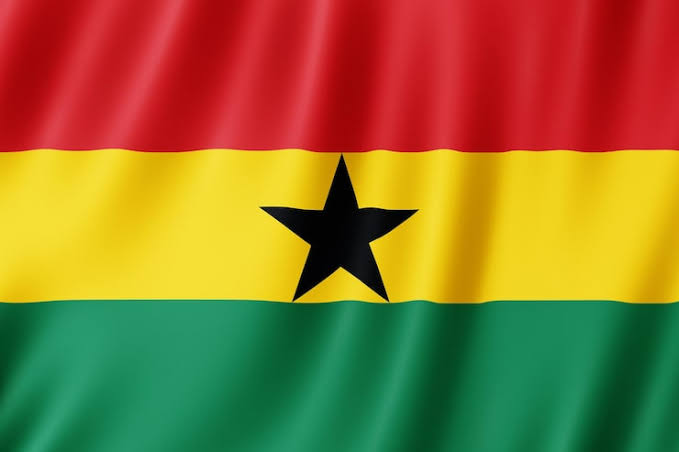
Ghana has achieved a significant milestone in its economic trajectory. The country has officially overtaken both Côte d’Ivoire and Ethiopia to become the eighth largest economy on the African continent. It now also holds the position of the second largest economy in West Africa, trailing only Nigeria.
The latest ranking, based on updated gross domestic product figures, reflects Ghana’s steady recovery from recent economic turbulence and its successful restructuring under an International Monetary Fund programme. The country’s GDP has been bolstered by a resurgent gold and cocoa sector, rising oil production, and a stabilisation of the local currency against major world currencies.
According to the data, Ghana now sits behind South Africa, Egypt, Algeria, Nigeria, Morocco, Kenya, and Angola in the continental ranking. Among West African nations, only Nigeria remains ahead. This means Ghana has climbed past Côte d’Ivoire, which had enjoyed a period of rapid growth driven by cocoa processing and infrastructure investment, and Ethiopia, whose economy has faced pressure from internal conflict and debt restructuring challenges.
READ MORE: My Father’s Shadow Wins Best Overall Movie at AMVCA 2026 as Linda Ejiofor Claims Double Victory
The news has been welcomed by government officials in Accra as validation of their economic policies. Finance Minister Mohammed Amin Adam described the development as proof that Ghana is on the right path after the difficult years of high inflation and currency depreciation. He pointed to increased foreign direct investment in the mining and energy sectors as key drivers of the upward movement.
However, economists have urged caution. While the ranking is a positive signal, Ghana still faces high unemployment among young people and a large informal sector that misses official GDP calculations. The country also continues to negotiate with external creditors to restructure its debt fully. Some analysts argue that the rise in ranking owes as much to the slowdown in Ethiopia and Côte d’Ivoire as it does to Ghana’s own improvements.
For ordinary Ghanaians, the headline news may not yet translate into daily relief. The cost of living remains elevated, and the local cedi, while more stable, still fluctuates against the dollar. But the new status as Africa’s eighth largest economy gives the government fresh leverage in international negotiations. It could also improve investor sentiment, which in turn might create jobs and lower prices over time.
Neighbouring Côte d’Ivoire is unlikely to accept the new hierarchy quietly. The Ivorian economy continues to grow at a healthy clip, and a rebasing of its GDP could see it reclaim the number two spot in West Africa. For now, however, Ghana can claim the title. The coming months will test whether this is a lasting achievement or a temporary shift in a competitive regional landscape.
About The Author



Related Articles
Senegal’s Power Cuts Force Government to Push Gas as the Long-Term Fix
Senegal’s energy minister says the power cuts that hit the country hard...
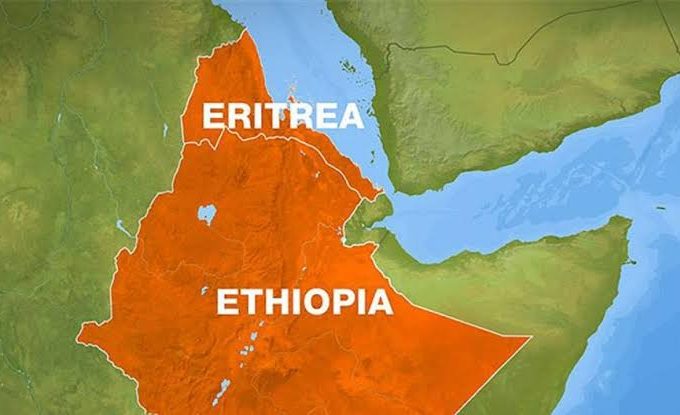
Ethiopia and Eritrea Cut Diplomatic Ties as Tigray Conflict Escalates
Ethiopia and Eritrea have severed diplomatic relations as renewed fighting in northern...

Tinubu Cannot Even Speak for Himself, Nigerians Say After Edited Broadcast Exposed
Nigerians on social media have accused the Presidency of manipulating President Bola...
Tinubu’s Cancer Analogy Backfires as Nigerians Remind Him He Was in Power Since 2015
President Bola Tinubu’s attempt to paint himself as the leader who inherited...
Leave a comment