



Ghana Rejects US Health Deal Over Data Privacy Concerns
 West Africa WeeklyMay 8, 20262 Mins read648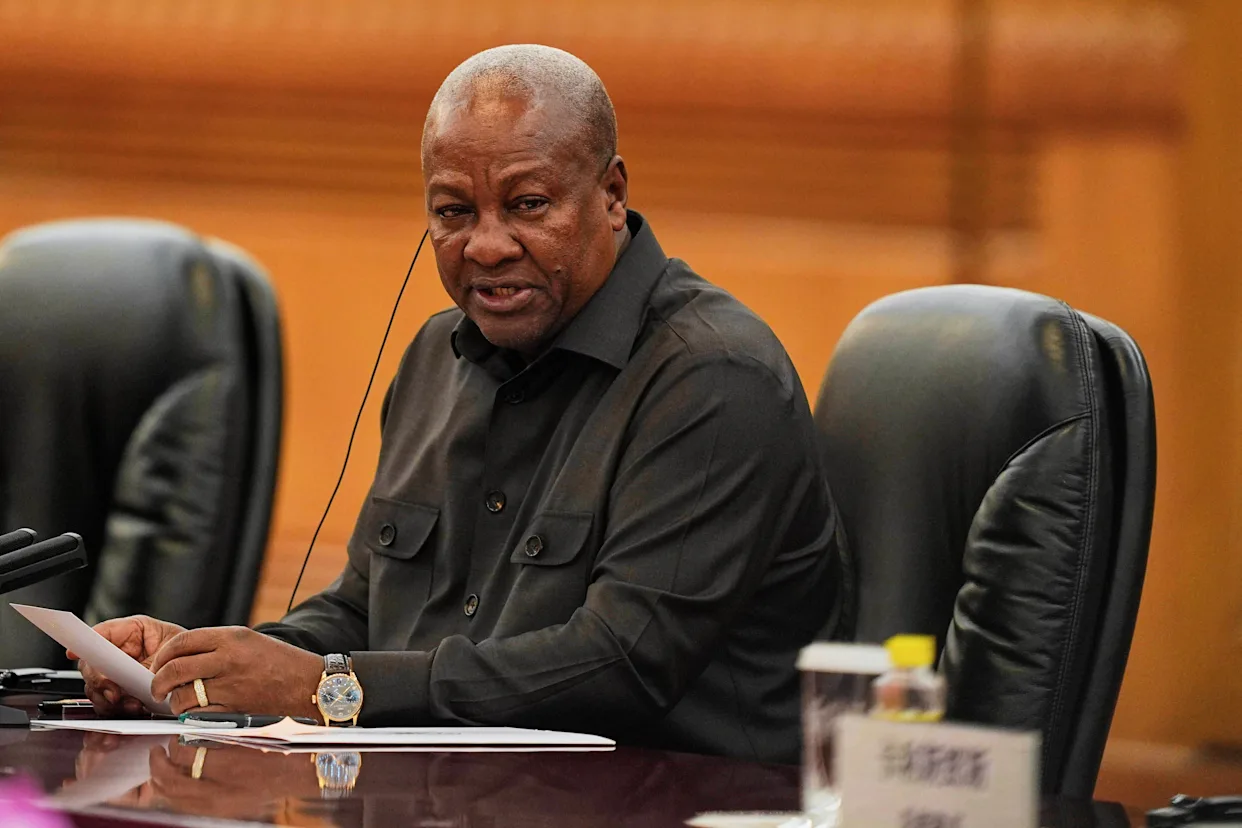
Ghana has rejected a proposed health deal with the United States worth around 300 million dollars, citing serious concerns about data privacy and national sovereignty. The decision, announced on Friday by Arnold Kavaarpuo, executive director of Ghana’s Data Protection Commission, makes Ghana the latest African country to walk away from similar agreements with Washington.
Under the proposed five year agreement, Ghana would have received roughly 109 million dollars in US funding to support its public health system and fight disease outbreaks. However, officials objected to provisions that would have given American entities broad access to Ghana’s most sensitive health data without adequate safeguards.
The scope of the requested data access went far beyond what would typically be required, according to Kavaarpuo, whose agency was directly involved in the negotiations. He explained that the proposed agreement would have allowed up to ten US entities access to not only health data sets but also metadata, dashboards, reporting tools, data models, and data dictionaries. Kavaarpuo added that this amounted to outsourcing the country’s health data architecture to a foreign body. Furthermore, no prior approval would have been needed from Ghana for how the data was used. We did not get a sense that Ghana had any real governance oversight, he told the Associated Press.
The deal was part of a new US approach to global health funding under the Trump administration’s America First policy, replacing previous agreements that were managed by the now dismantled United States Agency for International Development. The United States has struck similar health deals with more than 30 countries, most of them in Africa. However, resistance has been growing. In February, Zimbabwe also rejected its proposed deal over concerns about health data, fairness, and sovereignty. Zambia has also pushed back on sections of its agreement, though no final decision has been made there.
A US State Department spokesperson declined to disclose details of the bilateral negotiations but said the department continues to look for ways to strengthen the partnership between the two countries. Meanwhile, activists across Africa have criticised the agreements for lacking adequate data safeguards and for sometimes limiting who receives help. In Nigeria, for example, the US committed to supporting mainly Christian faith based healthcare providers. The Africa Centers for Disease Control and Prevention Director General also cited huge concerns regarding data sharing in the proposed deals.
Kavaarpuo confirmed that Ghana has officially communicated its rejection of the proposal to the United States and is now seeking improved terms for a revised agreement. He noted that supplemental investments from the Ghanaian government would have accompanied the US funding, but the risks to data sovereignty ultimately outweighed the financial benefits.
About The Author


Related Articles

Awoniyi Replaces Injured Osimhen in Super Eagles Squad for AFCON Qualifiers
Victor Osimhen has been ruled out of Nigeria’s opening 2027 Africa Cup...
Uganda Suspends All Military Cooperation With Turkey Over Refusal to Extradite Government Critic
Uganda’s army has suspended all defence and military cooperation with Turkey with...
TikTok Users in Northern Nigeria Turn to VPNs as Access Disruption Enters Fourth Day
TikTok users across several northern Nigerian states, including Kaduna, Kano and Sokoto,...

Gambian Businesses Struggle Under Prolonged Blackouts as Anger Mounts Ahead of December Election
Gambian businesses are collapsing under the weight of prolonged power cuts that...
Leave a comment