



Assimi Goïta Praises Quality of Cooperation with Russia in Address to the Nation Towards the Recent Rebel Attacks
 West Africa WeeklyApril 29, 20261 Mins read581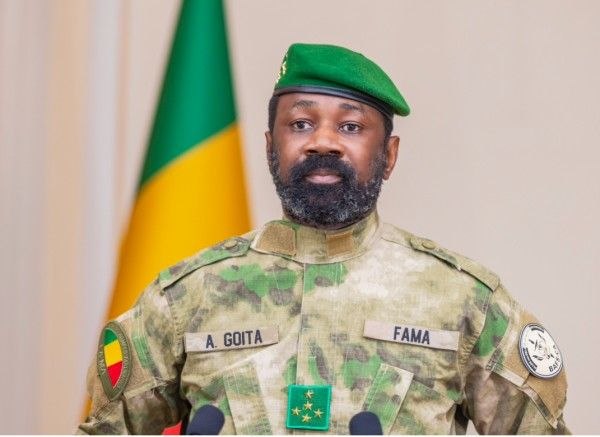
Mali’s transitional president, General Assimi Goïta, highlighted the strength of relations between Mali and its strategic partners during an address to the nation on Tuesday, with particular emphasis on the quality of cooperation with the Russian Federation.
Speaking against a backdrop of repeated security attacks, Goïta told citizens that the violence is not a series of isolated incidents but part of a broader destabilisation plan. According to the president, these actions are orchestrated by terrorist armed groups that benefit from internal and external support, particularly in intelligence and logistics.
Goïta did not name any specific country providing that support. However, his public praise of Russian cooperation, combined with the timing of the address just days after a major rebel offensive, was widely interpreted as a reaffirmation of Mali’s strategic pivot away from Western partners and toward Moscow.
In his speech, the army general reiterated the determination of the transition authorities to continue the process of national refoundation. He reminded the Malian people that they have made a clear choice in favour of sovereignty and dignity, fully accepting responsibility for their own destiny.
Goïta also acknowledged that this strategic direction requires sacrifices. He insisted, however, that in his view this is the only path capable of securing a free, just and prosperous future for generations to come.
The president called on the public to place their trust in Mali’s Defence and Security Forces, who are engaged in a complex fight against terrorism. He assured citizens that military operations will continue until armed groups are neutralised and lasting security is restored across the entire national territory.
Goïta’s address marked his first public comments since coordinated attacks last week that killed several soldiers and forced government troops to retreat from the northern town of Kidal. The meeting he held with the Russian ambassador just before the speech further underscored the growing alignment between Bamako and Moscow.
About The Author

Related Articles

Algeria Severs Diplomatic Ties With UAE, Closes Airspace to Emirati Aircraft
Algeria announced on Thursday that it was cutting diplomatic ties with the...
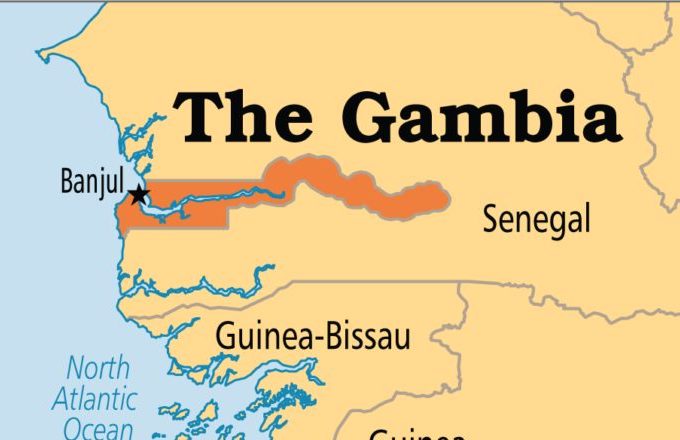
Gambia Bans Protests Without Permits After Blackout Unrest Erupts Ahead of December Election
Gambia’s police chief has banned all public protests without official permits after...


Sanwo-Olu Blames Cranes and ‘Iconic Cane’ as Ojota-Opebi Bridge Misses Another Deadline
Lagos State Governor Babajide Sanwo-Olu has offered yet another explanation for why...
Gambia Protests Turn Chaotic as Power Outages Worsen Ahead of December Elections
Thousands of Gambians took to the streets overnight in Banjul and surrounding...
Leave a comment