




Sudden Evacuation, Sudden Bloodshed, Allegations Swirl That France Is Pulling Strings Behind Mali’s Deadliest Attacks
 West Africa WeeklyApril 29, 20263 Mins read645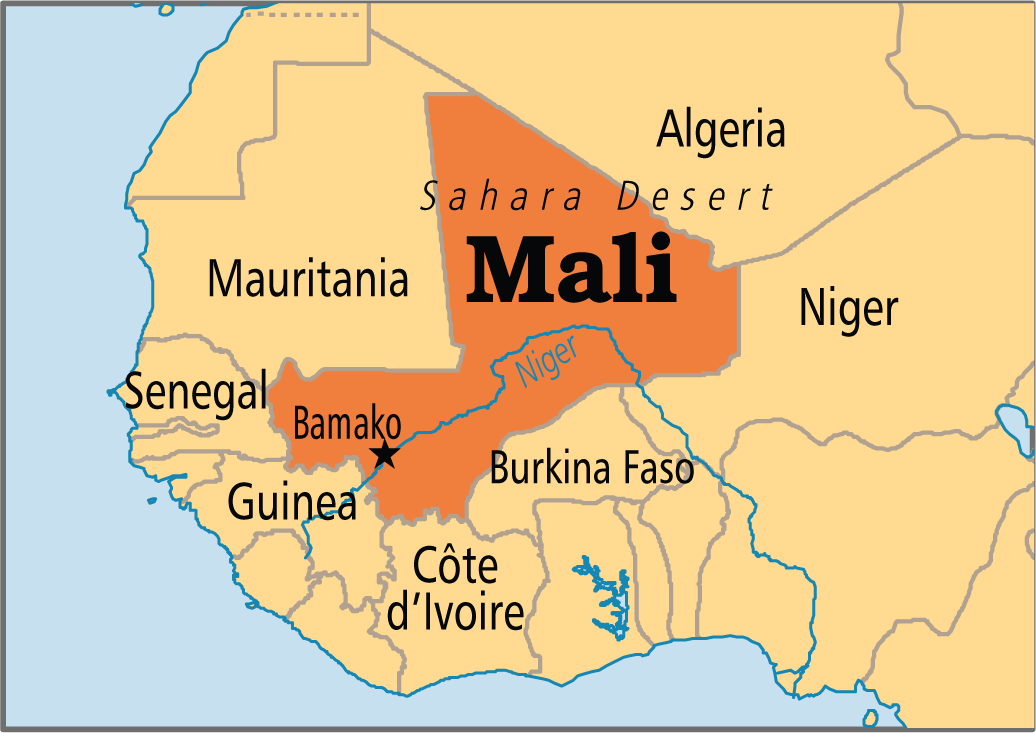
France has ordered its citizens to leave Mali, citing a dramatic security breakdown after a wave of coordinated rebel attacks killed high ranking officials and pushed the army back from northern strongholds. But across social media and in the comments sections of local news reports, a different explanation is taking hold: that Paris, smarting from its expulsion from the region, is the alleged hidden hand behind the offensive.
There is no official accusation from Mali’s military government. General Assimi Goïta, the country’s leader, has not named France in any public statement. In his first televised address since the attacks, he spoke only of bringing the situation under control and pursuing operations until all armed groups are neutralized. He did not mention any foreign power. Yet the vacuum left by official silence is being filled by a torrent of speculation, much of it rooted in the deep scars of colonial history and the dramatic geopolitical rupture of the past two years.
The immediate trigger for the speculation is the timing of France’s evacuation order. On Wednesday, the French Foreign Ministry told its nationals to leave Mali immediately, describing the security situation as extremely volatile. To many Malians, the sudden move suggests foreknowledge. Comments on an LSI Africa news report about the evacuation are typical: “They can’t get away with it that easily. They must pay with their lives for the death of the Minister of the Armed Forces, his family, and many other innocents. Because it is France that finances the terrorists in the Sahel.” Another comment says, “It means their mercenaries aiding terrorism in Mali should leave
Seems is hot for them.”
🚨Situation au Mali 🇲🇱 : la France recommande à ses ressortissants de quitter le pays « dès que possible » pic.twitter.com/BXGuEsxgSo
— LSI AFRICA (@lsiafrica) April 29, 2026
Mali, along with Burkina Faso and Niger, broke military ties with France in 2022 and 2023, forcing French troops to withdraw after a decade of counterterrorism operations. The three juntas then formed the Alliance of Sahel States (AES) and walked away from the regional bloc ECOWAS, accusing Western powers of interference. Since then, each country has turned to Russia for security assistance. In Mali, the paramilitary Africa Corps, successor to the Wagner group, now operates alongside the army.
In that context, the alleged sponsorship of rebels fits a narrative already embraced by the juntas and their supporters: that France never accepted its loss of influence and is now fighting a shadow war to destabilize former colonies. The theory gained apparent weight when Niger’s foreign minister directly accused France of fueling terrorism in the region. But crucially, that accusation came from a neighboring Sahel state, not from Bamako.
General Goïta himself has been photographed meeting the Russian ambassador, Igor Gromyko, since the attacks. The meeting was widely interpreted as a reaffirmation of Mali’s strategic pivot. In his public remarks, Goïta avoided any mention of France, instead focusing on national unity and vowing to neutralize the rebel groups. His government has described the attacks as having been organized by foreign sponsors, but no country has been named.
That lack of naming has not stopped the allegations from spreading. For many Malians, the withdrawal of French forces, the formation of the AES, the break with ECOWAS, and now the sudden evacuation of French nationals are pieces of a single puzzle. Whether the allegations are true or not, they have become a powerful political force, shaping how the public understands the violence that has once again brought their country to the edge of collapse.
France has denied any role in supporting rebel or jihadist groups, calling such suggestions absurd. But in a region where trust in Western powers has evaporated, denial is no longer enough to stop the story from spreading. The allegation that France sponsored the rebels has no official source, no attributed quote from Goïta or his ministers, and no verifiable evidence. Yet it lives on in comments, in mobile phone conversations, and in the bitter conviction of those who have watched their country pivot from Paris to Moscow and still find themselves under fire.
About The Author

Related Articles
Uganda Suspends All Military Cooperation With Turkey Over Refusal to Extradite Government Critic
Uganda’s army has suspended all defence and military cooperation with Turkey with...
37 Miners Died in Minna Cell After Guards Sprayed Unknown Substance, Autopsies Underway
Thirty-seven young men, many of them teenagers, died inside a crowded cell...
TikTok Users in Northern Nigeria Turn to VPNs as Access Disruption Enters Fourth Day
TikTok users across several northern Nigerian states, including Kaduna, Kano and Sokoto,...

El-Rufai’s February Letter to NSA Over Alleged Importation of Deadly Poison From Poland Resurfaces
A letter written by former Kaduna State Governor, Nasir El-Rufai, to the...
Leave a comment