


Zimbabwe’s Plan to Scrap Presidential Elections Sparks Fears of a ‘Slow Coup’
 West Africa WeeklyApril 9, 20262 Mins read639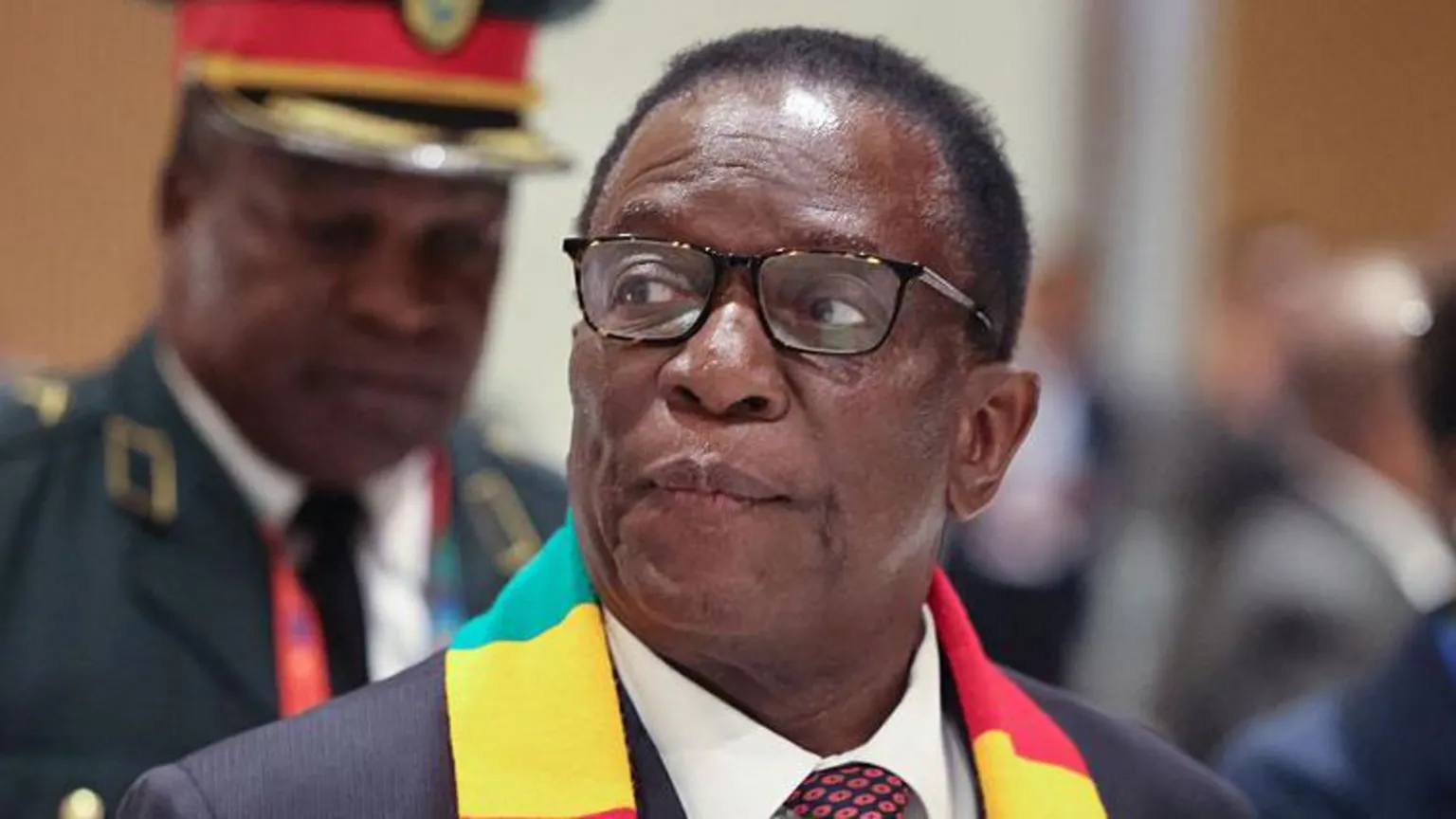
Fears are growing in opposition circles in Zimbabwe that the ruling Zanu‑PF party is making a new grab for power as it presses ahead with constitutional amendments aimed at giving parliament – rather than voters – the right to elect the president and to extend his term from five to seven years.
The proposed shake‑up, which would also delay parliamentary elections scheduled for 2028 until 2030, would allow President Emmerson Mnangagwa, whose second and final term is due to end in 2028, to remain in office until 2030. The bill is expected to pass in the coming weeks, marking the culmination of a campaign that began in 2024 with the chanting of the slogan “2030 – he (Mnangagwa) will still be the leader.”
Opposition figures have labelled the manoeuvre a “slow coup.” Veteran politician and former finance minister Tendai Biti told the BBC: “This is a coup, a slow coup that is unfolding in Zimbabwe.” Biti, who leads the Constitution Defenders Forum, is currently out on bail after being accused of holding a public meeting without official permission. He said Zimbabwe has a long history of repression and accused the ruling party of repeating the mistakes of former leader Robert Mugabe. “They are making the mistake that Mugabe made. That of closing [the democratic] space absolutely,” Biti said.
Zanu‑PF has vehemently defended the changes, with party official Patrick Chinamasa telling the BBC: “There’s nothing that stops us to change, to go to another system that’s less costly, less controversial.” Chinamasa denied that the ruling party was behind violent scenes at recent public hearings, where critics of the bill were met with pushing, shoving, fighting and the snatching of mobile phones. “What reason do we have as Zanu‑PF to be violent when the masses are behind us? The opposition does not accept that their view is failing to prevail,” he said.
READ MORE: US Evacuates Staff From Nigeria, Declares 23 States No-Go Zones Under Tinubu’s Watch
At a public hearing in Harare, thousands of Zanu‑PF supporters filled a sports arena, with speaker after speaker taking the microphone to call for Mnangagwa to stay beyond 2028. “I support the bill in its entirety,” one woman said. “Term limits must be extended from five to seven years and the MPs that we vote in must be allowed to elect the president,” a man added. But when the microphone was moved to the area where leading critics were sitting, chaos erupted, reminiscent of the violence and intimidation that has often marred Zimbabwean politics. Leading opposition member and lawyer Fadzayi Mahere told the BBC that Zanu‑PF supporters had caused the commotion to prevent critics from registering their disagreement.
Opposition groups say police have banned more than a dozen of their meetings in the run‑up to the hearings. National Constitutional Assembly leader Lovemore Madhuku said he was beaten by masked assailants last month while police watched.
The bill would repeal Section 92 of the Constitution, which currently provides for the direct election of the president by voters. Under the new system, the president would be elected by members of parliament sitting jointly as the Senate and National Assembly. The amendments explicitly state that the new seven‑year term would apply to the “continuation in office” of the incumbent president, critics argue directly undermining entrenched term‑limit protections introduced under the 2013 Constitution. For critics, the bill represents a fundamental reconfiguration of Zimbabwe’s constitutional democracy and a step toward recreating the “imperial presidency” they fought to end during Mugabe’s 37‑year rule.
As parliament prepares to vote, Zimbabwe remains at a critical impasse. The outcome is likely to determine the country’s political trajectory for the next decade.
About The Author



Related Articles
Police Claimed Mines Prevented Rescue of NYSC Members, But Corps Members Walked Out of the Forest After Ransom Was Paid
The release of 20 abducted National Youth Service Corps members in Imo...
Tinubu’s 30-Day Petrol Discount Sparks Fury as Nigerians Accuse Government of Electoral Bribe and Propaganda
The Federal Government’s announcement of a 30-day discount on petrol at NNPC...
Cameroon Commits to Stronger Bilateral Ties with Nigeria
Cameroon has reaffirmed its commitment to strengthening bilateral relations with Nigeria, pledging...


Ghana Borrows $288 Million at 11% to Pay Cocoa Farmers After Delayed Purchases
Ghana’s cocoa regulator has been forced to borrow 3.39 billion cedis, about...
Leave a comment