



Over 70 APC Lawmakers Lose Return Tickets as Party Primaries Shake National Assembly
 West Africa WeeklyMay 21, 20262 Mins read722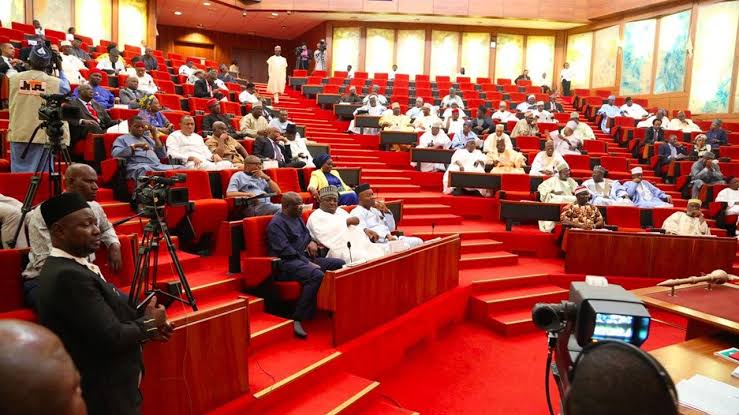
A major political earthquake has hit the ruling All Progressives Congress following the party primaries held on May 16, with more than 70 serving lawmakers losing their bids to secure tickets for the 2027 general elections. The X account Nigeria Stories first broke the news, reporting that at least 50 members of the House of Representatives and several senators were swept out in what many observers are calling the most brutal internal party purge in recent memory.
The post has since been viewed over 145,000 times and has triggered intense debate among political watchers across the country. Multiple Nigerian news outlets have since verified the figures, confirming that the scale of the losses is unprecedented for a ruling party this close to an election cycle. The casualties include veteran lawmakers who have held their seats since 1999, as well as younger legislators who were seen as rising stars within the party.
The losses cut across various states and geopolitical zones, suggesting a coordinated effort by powerful party stakeholders to reshape the National Assembly ahead of the next election. For many of those affected, the result came as a complete shock, with some only learning of their fate when official lists were released late on the night of the primaries.
Among those who lost their tickets are several committee chairmen and deputy chairmen who were widely expected to easily secure renomination based on their experience and visibility within the National Assembly. In some cases, incumbents were defeated by political novices with little to no legislative experience, with the newcomers often backed by governors or influential party chieftains who deployed significant financial resources and state machinery to sway the outcome.
In other instances, the losses were attributed to internal disputes over zoning arrangements, where local party chapters had agreed to rotate seats but powerful figures reneged on those agreements at the last minute. Factional loyalties within state chapters of the APC also played a major role, with some lawmakers who fell out of favour with their state governors finding themselves without the necessary party structure to secure their tickets. The primaries have left many of the affected lawmakers considering their next moves, with several reportedly planning to defect to opposition parties such as the Peoples Democratic Party or the Labour
Party to pursue their reelection ambitions. Others have vowed to challenge the primary results in court, alleging widespread irregularities including ballot stuffing, manipulation of delegates lists, and outright falsification of results. Legal experts say the APC could face a wave of pre-election litigation in the coming months, potentially disrupting the party’s preparations for the 2027 general election.
The party leadership has yet to issue an official statement on the scale of the losses or the grievances raised by the affected lawmakers, but insiders say the development reflects a broader realignment within the APC as the 2027 election draws closer. With more than 70 incumbents now out, the National Assembly is set to look very different after the next election, assuming the APC retains its majority. Political analysts say this level of turnover is unusual for a ruling party so close to a general election, as incumbents typically enjoy the advantages of name recognition and access to campaign resources.
It raises serious questions about internal party cohesion and whether the affected lawmakers, many of whom have strong grassroots followings, will work against the APC from outside or simply sit out the election in protest. For now, the mood among the losers is a mix of shock, anger, and strategic calculation, with some already reaching out to opposition leaders to explore new political homes.
The winners, mostly new faces backed by powerful godfathers, are already celebrating, but whether these newcomers can defeat opposition candidates in the general election remains an open question.
What is certain is that the APC primaries of May 16 have fundamentally altered the political landscape, and the more than 70 lawmakers who lost their tickets will not go quietly into retirement.
About The Author

Related Articles

Cameroon Commits to Stronger Bilateral Ties with Nigeria
Cameroon has reaffirmed its commitment to strengthening bilateral relations with Nigeria, pledging...

Ghana Borrows $288 Million at 11% to Pay Cocoa Farmers After Delayed Purchases
Ghana’s cocoa regulator has been forced to borrow 3.39 billion cedis, about...

Burkina Faso President Ibrahim Traoré Defies FIFA, Vows to Intervene in Football Federation After 7-0 Argentina Humiliation
Burkina Faso’s military leader, Captain Ibrahim Traoré, has vowed to intervene directly...

INEC Turns to AI for Election Verification While Nigerians Still Queue for PVCs and Results Vanish on IReV
The Independent National Electoral Commission has announced plans to deploy artificial intelligence...
Leave a comment