


Nigeria Spent Billions on Harmful Surveillance Technology to Spy on Activists and Journalists, Report Reveals
 West Africa WeeklyApril 1, 20263 Mins read1.1k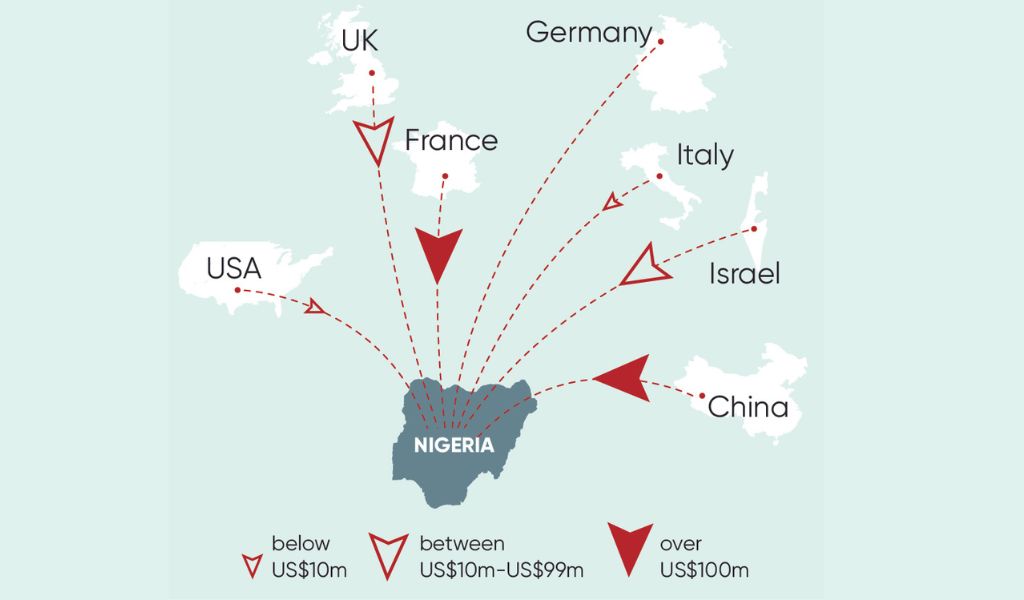
Nigeria has been revealed as Africa’s largest customer of surveillance technology contracts, spending hundreds of millions of dollars annually and at least $2.7 billion on known contracts between 2013 and 2022, according to new research published by the Institute of Development Studies and the African Digital Rights Network. That amount is equivalent to $12 for every Nigerian citizen.
The study is the first comprehensive examination of surveillance technology use by governments in Nigeria, Ghana, Malawi, Zambia and Morocco. It details how surveillance equipment supplied by companies based in the United States, China, the European Union, the United Kingdom and Israel has been used to spy on peaceful activists, opposition politicians and journalists, singling them out for harassment, arrest and torture. These actions, the report states, violate international human rights law and the supplier companies’ own self-policing measures.
Nigeria emerged as a leading customer of every major surveillance technology examined, including internet and mobile interception, social media monitoring, biometric identification data and so‑called safe city monitoring of citizens in public spaces. Researchers also found that the Nigerian state permits far more government agencies to conduct surveillance than any other country studied and has contracts with each of the leading surveillance technology suppliers from the US, China, EU, UK and Israel.
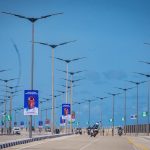
In Lagos and Abuja, Chinese companies Huawei and ZTE provide safe city surveillance products for the Nigerian government using extensive CCTV camera surveillance with facial and number plate recognition. These systems track citizens as they move through public spaces, collecting data that can be used to identify and monitor individuals.
The report, titled Mapping the Supply of Surveillance Technologies to Africa, was published at a time of increasing unease about the checks and balances for the use of artificial intelligence and the potential for misuse by increasingly authoritarian governments. It calls for the abolition of rights‑violating surveillance technologies and for the defunding of mass surveillance of citizens.
Tony Roberts, editor of the report and a research fellow at the Institute of Development Studies, said the research found contracts worth billions of dollars but that this was just a fraction of the true cost. Beyond the financial cost, he noted, there is a huge personal cost for journalists, activists and ordinary citizens unjustly tracked, arrested and detained, often tortured, for simply posting a message on social media.
Roberts added that governments and companies supplying surveillance technologies are getting away with flouting international treaties and their own self‑policing measures. He described the current situation as a wild west of surveillance supply where the few rules in place are not being followed. States are using surveillance technologies to create a chilling effect to suppress civil society and freedom of expression, he said, calling for urgent action to establish robust legal frameworks to protect human rights and restrict the export of surveillance products.
The report includes case studies documenting the human cost of these technologies. In Nigeria, Solomon Akuma, a pharmacist, was arrested on April 2, 2020, in Aba, Abia State, for allegedly making a social media post critical of President Muhammadu Buhari and his late chief of staff, Abba Kyari. Akuma was held in detention for three months without trial before being brought to court on charges of terrorism, sedition, criminal intimidation of the president, and threat to the life of the president.
Another case study details how Omoyele Sowore, a human rights activist and former presidential candidate, found in January 2022 that the Nigerian government had deactivated his biometric identification. This meant his national identification card, permanent voter card, foreign passport and driver’s licence were deactivated, preventing him from travelling, driving or voting.
The findings raise urgent questions about the use of surveillance technology in Nigeria and across the continent. With billions of dollars spent and contracts spanning multiple administrations, the report suggests that surveillance has become deeply embedded in how the state monitors its citizens, often with severe consequences for those who speak out. Researchers are calling for greater transparency, stricter regulations and an end to the use of technologies that violate fundamental rights.
About The Author


Related Articles
Police Claimed Mines Prevented Rescue of NYSC Members, But Corps Members Walked Out of the Forest After Ransom Was Paid
The release of 20 abducted National Youth Service Corps members in Imo...
Tinubu’s 30-Day Petrol Discount Sparks Fury as Nigerians Accuse Government of Electoral Bribe and Propaganda
The Federal Government’s announcement of a 30-day discount on petrol at NNPC...
Cameroon Commits to Stronger Bilateral Ties with Nigeria
Cameroon has reaffirmed its commitment to strengthening bilateral relations with Nigeria, pledging...


Ghana Borrows $288 Million at 11% to Pay Cocoa Farmers After Delayed Purchases
Ghana’s cocoa regulator has been forced to borrow 3.39 billion cedis, about...
Leave a comment