






Nigeria’s Power Crisis Deepens as GenCos Say Bola Ahmed Tinubu’s Government Owes Over ₦6 Trillion
 West Africa WeeklyMarch 15, 20262 Mins read1k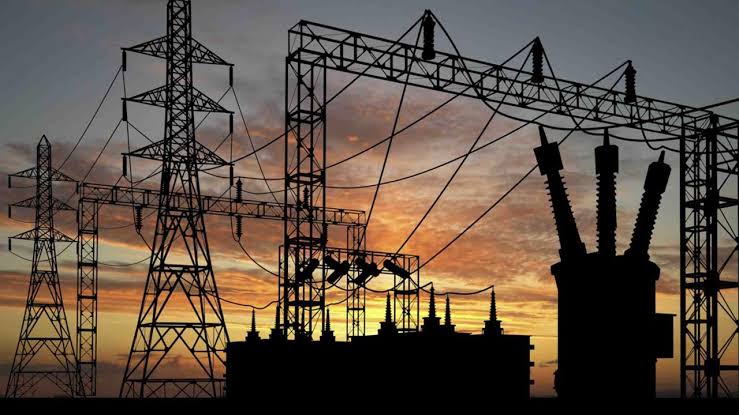
Nigeria’s electricity crisis is worsening as power generation companies say the federal government and the electricity market owe them more than ₦6 trillion in unpaid invoices, creating a chain reaction that is now reducing electricity production across the country.
According to the Association of Power Generation Companies, the debt accumulated over several years and is largely tied to payments that were supposed to move through the country’s electricity market structure. The group says the total outstanding obligation has now climbed to around ₦6.5 trillion and continues to grow because the market is not generating enough revenue to cover the cost of electricity generation.
The financial crisis has started to affect fuel supply to power plants. Most electricity in Nigeria is generated by gas-fired thermal stations, which depend on steady deliveries from gas suppliers. However, many of those suppliers have cut back because the generators themselves cannot pay for the gas they receive.
Industry operators say power plants are currently receiving far less gas than required to run at full capacity, raising fears that electricity supply could deteriorate further in the coming months. Reports already indicate that reduced gas deliveries to thermal plants could worsen nationwide power outages.
At the centre of the problem is a persistent liquidity gap in the electricity market. In Nigeria’s power system, electricity generation companies sell power to the government-backed Nigerian Bulk Electricity Trading company, which then supplies it to distribution companies. The distribution companies collect payments from consumers and remit funds back through the chain.
But many consumers either do not pay fully or are charged tariffs that do not reflect the real cost of electricity. As a result, distribution companies struggle to remit enough money to the bulk trader, which in turn cannot pay the generators in full. The generators then fall behind on payments to gas suppliers, causing a shortage of fuel for power plants.
To address part of the debt, the federal government recently issued a ₦501 billion bond as the first step under a larger programme designed to clear the sector’s arrears and restore liquidity. The bond was fully subscribed and forms part of a broader plan that could eventually raise up to ₦4 trillion to settle verified debts owed to generation companies and gas suppliers.
Officials say clearing these debts is critical for stabilising the sector and encouraging new investment. The prolonged liquidity crisis has discouraged investment in generation and infrastructure while weakening the financial position of operators across the power value chain.
Despite these efforts, industry groups warn that the intervention may not be sufficient to resolve the structural problems in the sector. Analysts estimate that if current trends continue, the debt owed to generation companies could reach as high as ₦8.8 trillion by the end of 2026.
The crisis highlights the deeper challenges within Nigeria’s electricity market more than a decade after the sector was privatized. While installed capacity exists to generate significantly more power, financial constraints, fuel shortages and infrastructure limitations mean the country often produces less than 5,000 megawatts for a population of more than 200 million.
For households and businesses, the result is familiar: unreliable electricity supply and growing dependence on private generators as the national power system struggles to stay afloat.
About The Author



Related Articles
Gambian Businesses Struggle Under Prolonged Blackouts as Anger Mounts Ahead of December Election
Gambian businesses are collapsing under the weight of prolonged power cuts that...
Chelle Names Osimhen, Lookman, Ndidi in 24-Man Super Eagles Squad for 2027 AFCON Qualifiers
Super Eagles head coach Éric Chelle has unveiled a 24-man squad for...
Ghana Cuts Fuel Exports to Burkina Faso and Mali to Protect Its Own Supply
Ghana’s state-owned fuel distributor BOST Energies has reduced diesel and gasoline exports...


ASUU Strike Threatens to Shut Down Federal Universities as Nigerians Accuse Media of Ignoring the Crisis
The Academic Staff Union of Universities is on the verge of a...
Leave a comment