



Tinubu Follows Gumi’s Lead as Nigeria Signs Turkey Defence Deal, Fueling Speculation Over Who Really Controls the Country’s Security Policy
 West Africa WeeklyJanuary 28, 20263 Mins read1.1k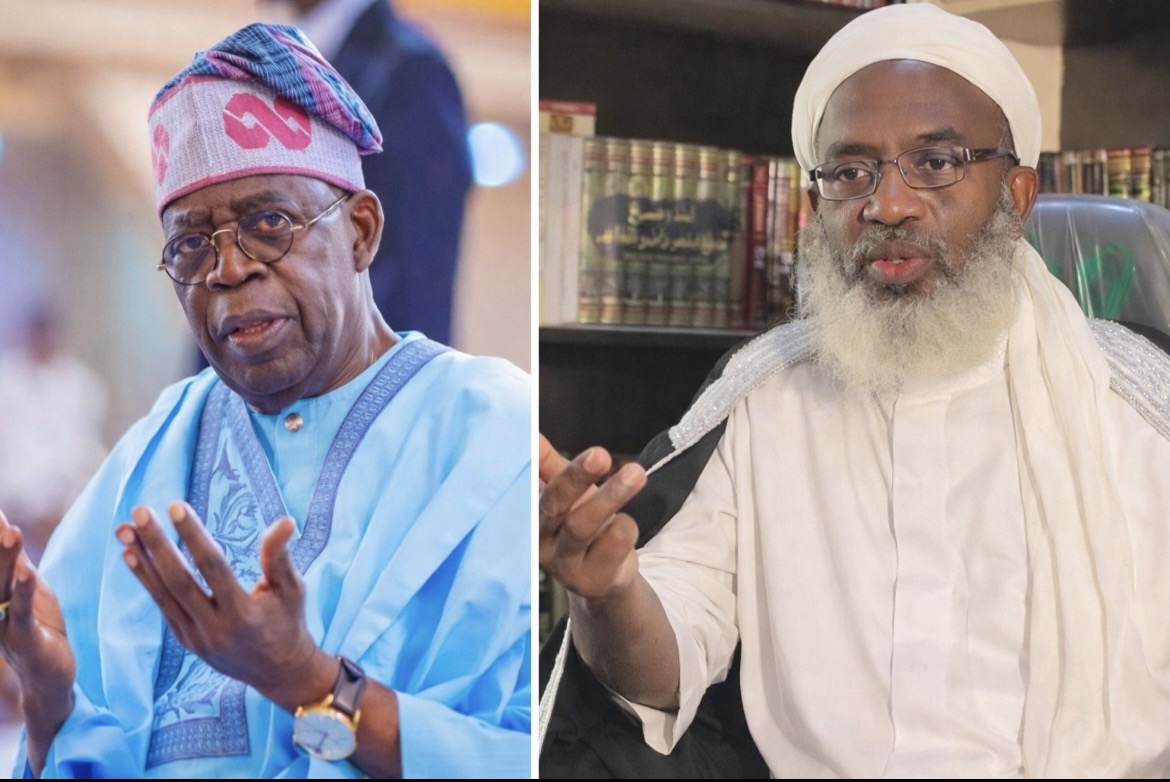
Nigeria’s diplomatic and security strategy is once again under scrutiny after a controversial Islamic cleric’s advice appeared to echo in official state policy, raising questions about who truly influences the direction of Nigeria’s government. Sheikh Ahmad Gumi, a figure widely criticised for his statements on security cooperation, had urged the Federal Government to abandon military collaboration with the United States and instead seek assistance from nations such as Pakistan, China and Turkey. Shortly after that public call, President Bola Ahmed Tinubu’s administration signed a series of high-profile agreements with Turkey, including defence cooperation and a joint economic and trade committee aimed at expanding bilateral ties.
Last month, Gumi took to social media to condemn reported US military involvement in Nigeria’s counterterrorism operations, describing them as a “neo-Crusade war” and warning that they could inflame insecurity and polarise the country. He specifically argued that Nigeria should halt all forms of military cooperation with the US and instead engage what he called “neutral” partners such as China, Turkey and Pakistan. Gumi’s post was widely shared and debated, with his critics accusing him of oversimplifying Nigeria’s complex security situation and undermining established diplomatic relations. Others saw in his message a reflection of broader sentiment in some quarters that foreign military involvement must be carefully managed to avoid loss of sovereignty.
In what some observers have interpreted as a shift in tone, Nigeria and Türkiye last week formalised a new phase of cooperation during President Tinubu’s ongoing state visit to Ankara. Leaders of both countries signed nine separate agreements covering defence cooperation, trade, diaspora policy, education, media and communication, and other critical sectors. At the centre of the diplomatic push is the establishment of a Joint Economy and Trade Committee to drive bilateral trade toward an ambitious target of five billion dollars annually — a significant expansion from the roughly two billion dollars in trade recorded in 2025.
The defence agreement between Nigeria and Turkey goes beyond a symbolic partnership. It encompasses military training, intelligence cooperation, and shared strategic planning, reflecting Türkiye’s desire to deepen its engagement in Africa’s security architecture. Turkey has already supported Nigerian forces with training and equipment in previous years, and this latest pact underscores an ongoing strategic alignment between the two nations.
At a joint press briefing with Turkish President Recep Tayyip Erdoğan, President Tinubu emphasised the importance of strengthening collaboration on issues of peace, stability and inclusive economic growth. He expressed gratitude for Turkey’s willingness to broaden cooperation across multiple sectors, including defence and counterterrorism, and highlighted the need for an economy that supports vulnerable populations and promotes prosperity.
President Erdoğan, for his part, reaffirmed his country’s commitment to expanding trade and assisting Nigeria in its fight against insurgency and terrorism, drawing on Turkey’s own experience in confronting similar challenges. He said discussions to reach the five-billion-dollar trade goal have commenced and framed the partnership as a mutual effort to promote investment and stability.
While the government positions the Turkey deals as consistent with Nigeria’s national interests, the timing and substance of the agreements have fuelled debate at home. Critics argue that Gumi’s public calls for alternative partners may have pressured the government to diversify Nigeria’s diplomatic alignments, even if indirectly. They say the rapid movement toward Turkish cooperation — particularly in defence and security — raises concerns about the coherence of Nigeria’s foreign policy and its long-term implications for sovereignty and strategic independence.
Supporters of the administration dismiss allegations that Gumi influences policy, insisting that decisions are driven by strategic considerations and national priorities rather than by any single cleric’s pronouncements. They point out that broadening partnerships with nations like Turkey is part of a global trend among African states seeking diversified security and economic alliances.
Nevertheless, many Nigerians still perceive that public figures like Gumi, who command attention and media traction, are shaping the narrative around national security and foreign policy. Whether this reflects genuine influence or temporary alignment of views, it has opened a broader conversation about accountability, transparency and who ultimately steers the government’s course.
The Turkey agreements signify a clear pivot in Nigeria’s engagement abroad, linking economic ambition with defence cooperation in ways that will have lasting effects. For now, the juxtaposition of a controversial cleric’s advice and official state action has left many asking whether Nigeria’s leadership answers first to its own strategic vision or to external pressures amplified through influential voices. The question of “who runs the government” may be rhetorical for some, but for a public watching closely, the answer feels far from settled.
READ MORE: Toyin Abraham Joins Funke Akindele as Nollywood Billionaire Filmmaker with Oversabi Aunty
About The Author


Related Articles

Algeria Severs Diplomatic Ties With UAE, Closes Airspace to Emirati Aircraft
Algeria announced on Thursday that it was cutting diplomatic ties with the...
Gambia Bans Protests Without Permits After Blackout Unrest Erupts Ahead of December Election
Gambia’s police chief has banned all public protests without official permits after...


Sanwo-Olu Blames Cranes and ‘Iconic Cane’ as Ojota-Opebi Bridge Misses Another Deadline
Lagos State Governor Babajide Sanwo-Olu has offered yet another explanation for why...
Gambia Protests Turn Chaotic as Power Outages Worsen Ahead of December Elections
Thousands of Gambians took to the streets overnight in Banjul and surrounding...
Leave a comment