



CJN Clarification Highlights Gaps in Tinubu’s Police Withdrawal Plan
 West Africa WeeklyDecember 15, 20252 Mins read613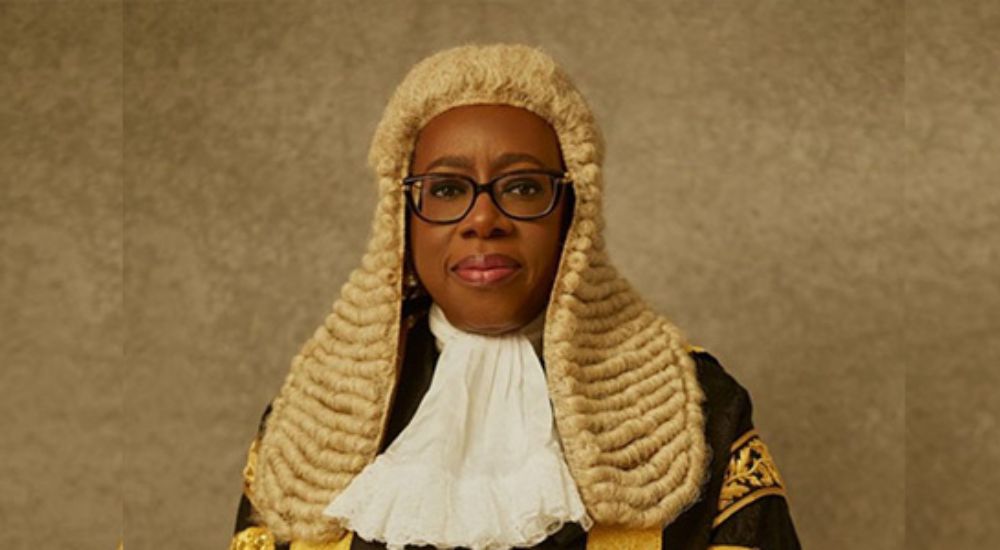
The Chief Justice of Nigeria has clarified that judicial officers are exempt from President Bola Tinubu’s directive ordering the withdrawal of police personnel attached to politicians and other public office holders. The clarification followed reports that police orderlies assigned to some judges were withdrawn, triggering concern within the judiciary over safety and judicial independence.
According to the office of the CJN, judges are statutorily entitled to security protection and were never intended to be affected by the presidential order. Any withdrawal of police personnel from judges, the judiciary said, was not authorised and should be reversed immediately.
President Tinubu had earlier directed the Nigeria Police Force to pull officers away from VIP protection duties and redeploy them to frontline policing. The president argued that too many officers had been diverted to escort politicians, senior officials and influential individuals while communities across the country remained dangerously under policed. His administration framed the directive as a necessary step to improve public safety amid worsening insecurity.
At the time, Tinubu was clear in his messaging. He said policing should serve the public, not privilege, and that officers should be visible on the streets rather than tied to personal convoys and private errands. The order was widely interpreted as applying to political office holders and government officials who routinely enjoy police protection as a status symbol rather than out of genuine security necessity.
The CJN’s intervention, however, has exposed the uneven application of the policy. While judges have now been officially excluded, questions are being raised about why the exemption applies narrowly to the judiciary and not to other categories of public servants who also face security risks. Prosecutors, senior civil servants, electoral officials and regulatory officers routinely handle sensitive cases that put them at risk, yet many do not enjoy the same statutory protection as judges.
READ MORE: Nigeria’s New SS3 Ban Punishes Students for a Broken Education System
The situation has also highlighted deeper contradictions in Nigeria’s approach to security. If the goal is to return police officers to frontline duties and strengthen community policing, then exemptions risk undermining the principle of fairness that gave the policy public appeal in the first place. Once carve outs begin, the policy risks becoming selective rather than systemic.
Beyond the judiciary, the issue touches every government worker and, by extension, every citizen. It raises the question of who the state considers worthy of protection and whether security is treated as a right tied to public service or a privilege attached to rank and influence. It also underscores the absence of a broader plan to improve policing capacity, welfare, equipment and accountability.
While the presidency maintains that the withdrawal order is still in force and necessary, the controversy suggests that the policy was rolled out without sufficient coordination or clarity. The confusion that led to judges temporarily losing security protection points to gaps in communication between the federal government, the police and key institutions of state.
In the end, the debate is no longer just about judges or police escorts. It is about consistency, equity and whether security reform in Nigeria will be carried out as a serious structural effort or reduced to symbolic gestures that shift officers around without fixing the deeper problems in the system.
About The Author


Related Articles

Algeria Severs Diplomatic Ties With UAE, Closes Airspace to Emirati Aircraft
Algeria announced on Thursday that it was cutting diplomatic ties with the...
Gambia Bans Protests Without Permits After Blackout Unrest Erupts Ahead of December Election
Gambia’s police chief has banned all public protests without official permits after...


Sanwo-Olu Blames Cranes and ‘Iconic Cane’ as Ojota-Opebi Bridge Misses Another Deadline
Lagos State Governor Babajide Sanwo-Olu has offered yet another explanation for why...
Gambia Protests Turn Chaotic as Power Outages Worsen Ahead of December Elections
Thousands of Gambians took to the streets overnight in Banjul and surrounding...
Leave a comment