




Mali, Burkina Faso and Niger Launch Regional Investment Bank to Fund Sahel Development
 West Africa WeeklyDecember 15, 20252 Mins read1.3k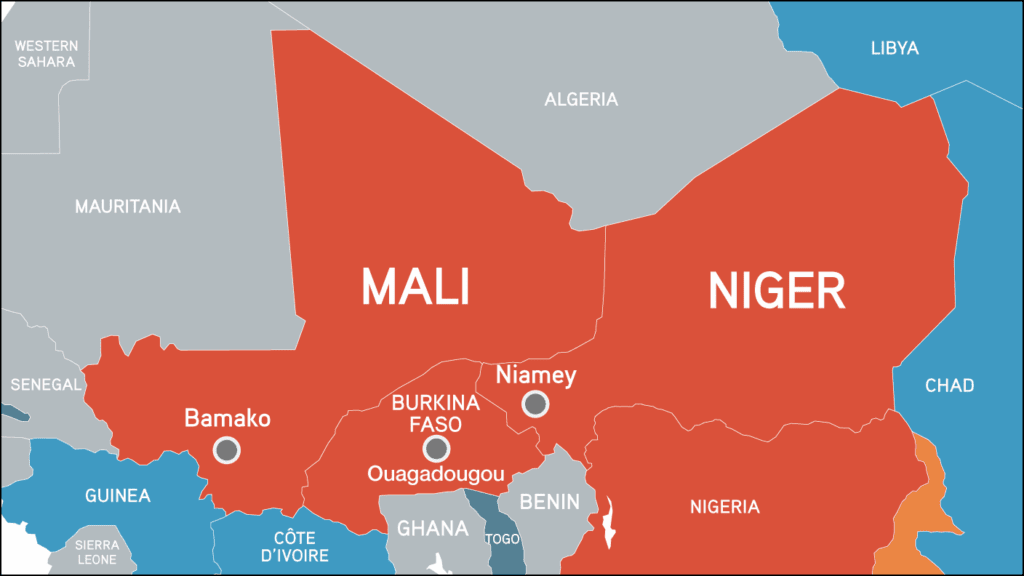
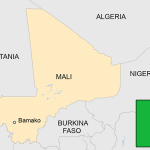
Mali, Burkina Faso and Niger have jointly launched a new regional investment bank with a capital base of 500 billion CFA francs, equivalent to about 895 million dollars, marking a major step in their push for economic self determination and regional cooperation.
The bank is designed to finance large scale infrastructure, energy, mining and agricultural projects across the three countries, which together form the Alliance of Sahel States. Officials say the institution will provide long term funding for sectors that have struggled to attract sustained investment despite their strategic importance to national development.
The three governments argue that existing international financial systems have often failed to meet the realities of the Sahel. By pooling resources through a regional lender, they aim to reduce dependence on foreign donors and external development banks while keeping greater control over how capital is deployed. The new bank is expected to prioritise projects that directly support industrial growth, food security and energy access.
The launch comes at a time of major political and economic realignment in the region. Mali, Burkina Faso and Niger have all distanced themselves from traditional regional and Western aligned institutions, insisting that sovereignty must extend beyond politics and security into economic decision making. The investment bank is seen as a key pillar of that strategy.
With vast natural resources across the three countries, including gold, uranium and agricultural land, leaders believe the challenge has never been the absence of wealth but the lack of financing structures that serve domestic priorities. By mobilising public revenues and coordinating investments, the bank is intended to turn resource potential into tangible development outcomes.
Supporters say the institution could unlock stalled projects in transport, electricity generation and irrigation, creating jobs and improving living conditions. Agriculture, which employs most of the population in the Sahel, is expected to receive particular attention, alongside energy projects meant to power local industries and reduce reliance on imports.
Skeptics have warned that political instability and security challenges could limit the bank’s effectiveness, while others question whether the initial capital will be sufficient to meet the region’s vast needs. Authorities insist that the bank will operate with strong governance structures and eventually attract additional funding without sacrificing its independence.
For Mali, Burkina Faso and Niger, the creation of the regional investment bank sends a clear signal. It reflects a deliberate attempt to reshape development on their own terms and to build financial institutions that align with their vision of sovereignty, cooperation and long term growth in the Sahel.
About The Author

Related Articles

Algeria Severs Diplomatic Ties With UAE, Closes Airspace to Emirati Aircraft
Algeria announced on Thursday that it was cutting diplomatic ties with the...
Gambia Bans Protests Without Permits After Blackout Unrest Erupts Ahead of December Election
Gambia’s police chief has banned all public protests without official permits after...


Sanwo-Olu Blames Cranes and ‘Iconic Cane’ as Ojota-Opebi Bridge Misses Another Deadline
Lagos State Governor Babajide Sanwo-Olu has offered yet another explanation for why...
Gambia Protests Turn Chaotic as Power Outages Worsen Ahead of December Elections
Thousands of Gambians took to the streets overnight in Banjul and surrounding...
Leave a comment