






West African Countries Pressured to Accept U.S. Deportees, Raising Fears of Crime and Instability
 West Africa WeeklyJuly 11, 20251 Mins read1.7k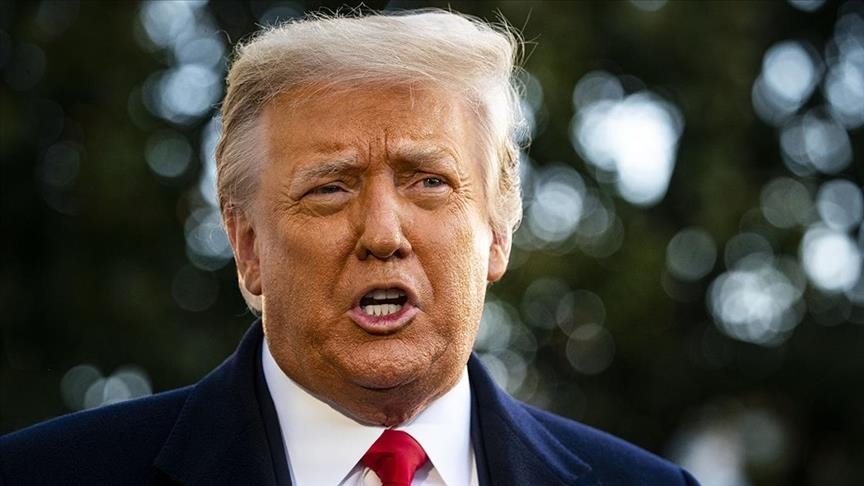
The United States is pressuring several West African nations to sign controversial agreements that would allow them to receive migrants deported from U.S. soil, even if those migrants are not citizens of those countries. This marks a renewed expansion of a Trump-era immigration policy that could destabilise already fragile African states and fuel future security threats.
According to reports, the U.S. government has held talks with Liberia, Senegal, Mauritania, Guinea-Bissau, and Gabon to formalise so-called “safe third-country” arrangements. These agreements would allow Washington to deport ineligible individuals to remain in the U.S., sending them instead to African countries with which they have no personal connection.
While U.S. officials insist the policy ensures a “dignified” and “safe” transfer of migrants, many see it differently. The deportees, often unable to return to their home countries due to conflict or political instability, would instead be dumped in unfamiliar nations with limited resources.
Sources indicate that the U.S. has employed trade incentives and diplomatic pressure to garner support. Liberia is reportedly preparing to receive the first cohort of deportees. Guinea-Bissau, however, has pushed back, saying it will only take its citizens.
Beyond legal and ethical concerns, there is a warning of a dangerous unintended consequence: increased crime and social unrest.
The fact that many of these deportees will arrive with no identification, no housing, no local support, and no pathway to legal work is a recipe for desperation.
The U.S. Supreme Court recently upheld the legality of third-country deportations, giving the administration a green light to proceed. African governments, meanwhile, face a moral dilemma:
Accept a short-term economic boost from the U.S. or risk internal backlash and future instability by accepting displaced people who don’t belong to them.
As negotiations continue, these deals amount to outsourcing U.S. immigration enforcement to the Global South, with little regard for the consequences. The fear is that this policy, if unchallenged, could lead to growing crime, deepening poverty, and the erosion of regional stability in parts of Africa already under pressure.
Read More:
- Intra-African Flights Remain Among the Most Expensive Globally, Frustrating Travellers and Hindering Trade
- Nigeria: Bauchi Governor Accuses Tinubu-Led FG of Withholding Support from Opposition States
About The Author


Related Articles
Gambian Businesses Struggle Under Prolonged Blackouts as Anger Mounts Ahead of December Election
Gambian businesses are collapsing under the weight of prolonged power cuts that...
Chelle Names Osimhen, Lookman, Ndidi in 24-Man Super Eagles Squad for 2027 AFCON Qualifiers
Super Eagles head coach Éric Chelle has unveiled a 24-man squad for...
Ghana Cuts Fuel Exports to Burkina Faso and Mali to Protect Its Own Supply
Ghana’s state-owned fuel distributor BOST Energies has reduced diesel and gasoline exports...


ASUU Strike Threatens to Shut Down Federal Universities as Nigerians Accuse Media of Ignoring the Crisis
The Academic Staff Union of Universities is on the verge of a...
Leave a comment