





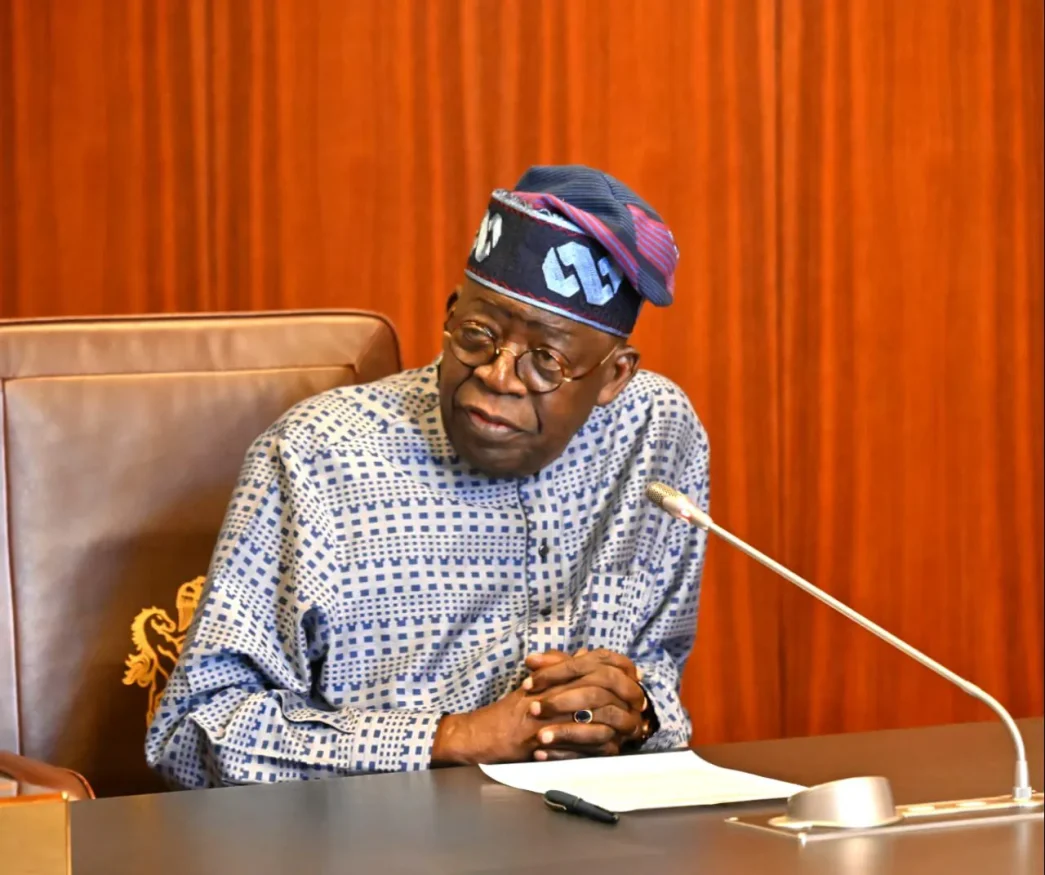
Despite the approval of a 30 percent debt discount for domestic airlines by President Bola Tinubu, Nigeria’s aviation sector remains on a knife edge with airline operators warning that carriers may be forced to suspend operations within the next seven days if the soaring cost of Jet A1 fuel is not urgently addressed.
The warning was issued by the Airline Operators of Nigeria (AON) following a high level stakeholders meeting in Abuja on Thursday which ended in a deadlock. While the government had hoped the debt relief would ease pressures, operators say the intervention is far from sufficient to stave off a full blown crisis.
Minister of Aviation and Aerospace Development Festus Keyamo confirmed after the meeting that the airlines have been stretched to the breaking point and cannot sustain operations under current fuel prices. The minister disclosed that technical teams comprising representatives of the marketers, regulators, airlines and government have been given between 48 to 72 hours to negotiate a fair and reasonable pricing framework for Jet A1.
However, the AON has made it clear that this short window may not be enough to avert a shutdown. Speaking on behalf of the operators, Air Peace Chairman Allen Onyema stated that no airline in Nigeria would fly in the next seven days if something drastic is not done immediately.
“Not because they don’t want to fly, but because the pricing of the products needed to fly may not be available to us since we don’t have the money to buy them,” Onyema said. He noted that local airlines are seeing fuel price increases of between 250 and 300 percent, far exceeding global trends where other countries have recorded increases of about 70 percent.
The crisis has been triggered by the astronomical rise in the price of aviation fuel, which surged from N900 per litre in February to about N3,300 per litre, representing an increase of more than 300 percent. Operators have accused fuel marketers of sharp practices and have demanded explanations for what they describe as an unjustifiable hike in prices.
This stands in stark contrast to the perception that the matter had been settled. While President Tinubu recently approved a 30 percent discount on debts owed to agencies like the Nigerian Airspace Management Agency (NAMA), the Federal Airports Authority of Nigeria (FAAN), and the Nigerian Civil Aviation Authority (NCAA), this relief only covers statutory fees and does not address the core issue of fuel pricing.
Keyamo himself acknowledged the severity of the situation, stating that while the downstream petroleum sector operates under a free market, regulatory oversight would be applied to prevent exploitative practices. He warned that if there is collusion or any attempt to punish Nigerian consumers, the government would step in.
For now, passengers face an uncertain future. The next 48 to 72 hours are critical as the appointed focal teams attempt to find common ground. If no resolution is reached, the coming days could see a complete shutdown of domestic flight operations, leaving travellers stranded across the country.
About The Author



Leave a comment