



Tinubu Government’s Fiscal Secrecy, Revenue Failure and New Tax Push Expose Broken Economic Management
 West Africa WeeklyDecember 17, 20253 Mins read711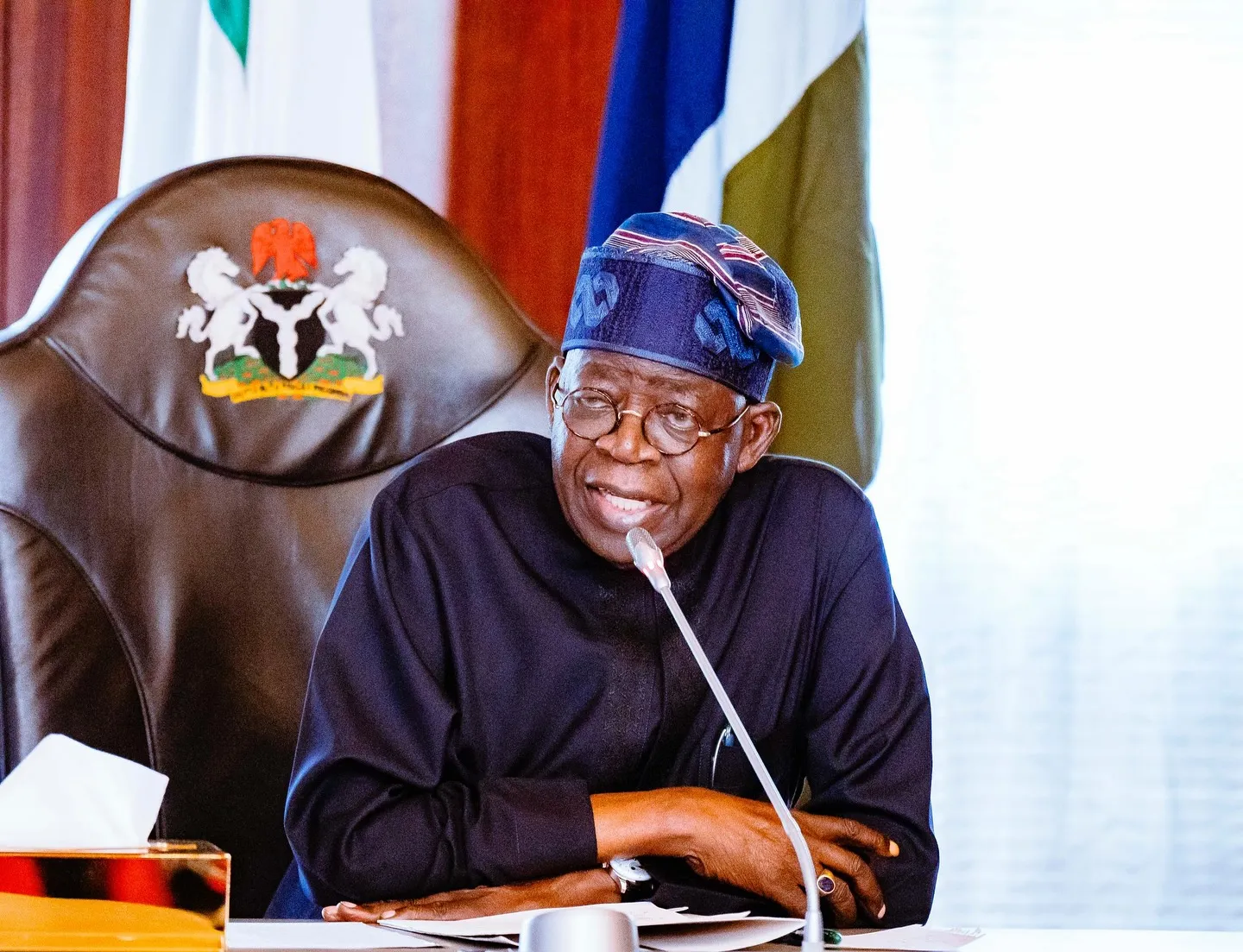
For nearly a full fiscal year, the Federal Government, led by President Bola Tinubu, has stopped releasing critical fiscal documents that Nigerians are legally entitled to see. The government has not published quarterly budget implementation reports, leaving citizens, civil society groups and investors in the dark about how public funds are being spent and whether budget targets are actually being met.
The most recent available reports date back to the second quarter of 2024, meaning that four consecutive quarterly reports for 2024 and 2025 are missing from official portals. This break from long-standing practice undermines basic accountability in public finance. It appears to ignore precise legal requirements under Nigeria’s Fiscal Responsibility Act, which mandates regular public disclosure of budget performance.
Budget transparency advocates have described this failure to publish as both troubling and unprecedented. The budget implementation reports are essential for tracking whether revenue collections and spending align with what was approved by the National Assembly and for allowing ordinary Nigerians to hold their leaders accountable for the management of public funds.
Without them, citizens have no official way to verify whether the government’s claims about economic progress are reality or rhetoric. The absence of this information has deepened mistrust in the governance of public finances at a time when public spending is at record levels and revenue collections are weak.
This secrecy has coincided with a dramatic failure in revenue generation for the 2025 fiscal year. The Finance Minister and Coordinating Minister of the Economy, Wale Edun, told lawmakers that the government had budgeted to collect about forty trillion naira in federal revenue to finance the 2025 budget, tagged the Budget of Restoration.
Instead, the latest official projections show that total revenue inflows are likely to finish at around ten point seven trillion naira, leaving a gap of roughly thirty trillion naira short of the target. The shortfall is so large that capital components of the 2025 budget have been pushed forward into the 2026 fiscal year, effectively acknowledging that the government cannot fund its planned projects with the revenue it has actually collected.
Analysts point to weak oil and gas revenue, notably lower-than-expected petroleum profit tax and company income tax collections from oil companies, as a significant reason for the underperformance. Non-oil revenue sources have also failed to make up the difference, highlighting structural weakness in Nigeria’s revenue mobilisation. The Minister of Finance admitted that even after borrowing about 14 trillion naira to cover the gap, total funds still fell far short of what was needed to implement the budget fully. Despite failing to meet revenue targets, the government has insisted that it continued to meet crucial obligations, such as paying salaries, statutory transfers, and debt servicing, through what officials describe as careful cash management.
The reality on the ground tells a harsher story. This massive revenue failure underscores how over-reliance on optimistic projections and volatile oil earnings has weakened Nigeria’s public finances.
READ MORE: Burkina Faso, Mali and Niger Retain GIABA Role Despite ECOWAS Exit
Instead of reflecting on these failures by providing transparent reports that show real revenue and expenditure figures, the government has chosen to withhold performance data from the public. The lack of budget transparency means Nigerians cannot independently assess whether any progress has been made or whether public funds have been misallocated.
Corporate Nigeria, ordinary workers, pensioners and small business owners all feel the impact of poor fiscal management long before the elites who control the policy apparatus realise their realisation. The failure to publish expenditure and revenue data effectively shields the government from scrutiny at a time when that scrutiny is most needed.
Now, with the 2026 budget looming, the government is proposing new revenue measures that will further pressure ordinary Nigerians. Officials have signalled plans to expand the tax net and introduce fresh taxation rules beginning in January 2026.
The reforms would make taxpayer identification numbers mandatory for financial transactions and tighten compliance requirements for both individuals and corporations. These measures are framed as necessary to fix Nigeria’s weak tax culture and expand domestic revenue mobilisation, following low compliance and poor collections.
While some economists support tax reform in principle, critics point out that pushing new taxes without first fixing fundamental problems in government revenue collection and spending transparency risks saddling Nigerians with new burdens without the accountability that tax paying should entail.
In a country where many citizens already struggle under high living costs, making tax compliance more onerous without clear evidence that existing public funds are used efficiently compounds public frustration and economic strain.
In sum, President Tinubu’s government entered office promising economic revival and fiscal discipline. Instead, it has presided over a record failure to publish legally required fiscal reports, endured a dramatic revenue shortfall on a budget designed to restore prosperity, and now seeks new taxation measures while withholding basic information about how public money is collected and spent.
For citizens and independent analysts alike, this sequence of policy choices embodies deeper governance problems and raises urgent questions about priorities, transparency and the direction of Nigeria’s economy going into 2026.
About The Author


Related Articles

Ghana, Nigeria and South Korea Deepen Energy and Agricultural Cooperation
A growing partnership between Ghana, Nigeria and South Korea is highlighting the...
Ivory Coast Considers Reforming Cocoa Marketing System as Global Supply Increases
The government of Ivory Coast is considering major reforms to its cocoa...

FIFA Considers Replacement Teams Following Iran World Cup Uncertainty
Global football governing body FIFA is reviewing contingency plans for the upcoming...

Nigeria Faces Risk of Worsening Electricity Shortages as Gas Supply Declines
Nigeria may face more severe electricity shortages in the coming weeks as...
Leave a comment