




Tinubu Flags Off N27.6 Billion Abuja Road Project Amid Criticism of High Cost, Regional Neglect
 West Africa WeeklyJuly 14, 20262 Mins read517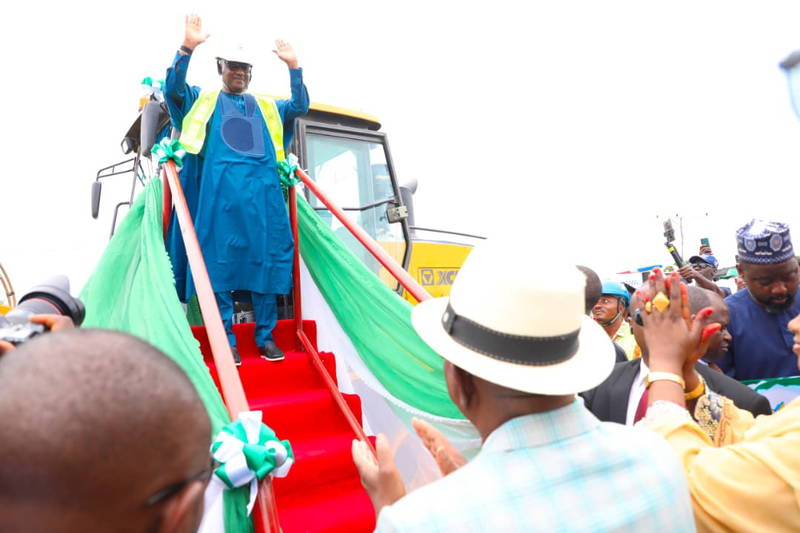
President Bola Tinubu, represented by Speaker of the House of Representatives Tajudeen Abbas, has officially flagged off the construction of the Tunga Madaki-Zuba access road, a seven-kilometre project linking satellite communities in the Federal Capital Territory to the Abuja-Kaduna Expressway. The President described the project as a direct continuation of the Bill Clinton Drive to Tunga Madaki Community Road commissioned weeks earlier as part of the third anniversary of his administration. The road, which will serve communities including Tungan Wakili, Anguwan Lasheri, Tungan Jiwa, Tungan Nasara, Tungan Samu, Amawa and Jima, is expected to reduce travel time, lower vehicle operating costs and facilitate the movement of people and agricultural produce. But beneath the celebratory rhetoric, the project has raised serious questions about the Tinubu government’s priorities, fiscal discipline and commitment to equitable development.
Federal Executive Council documents show that the Clinton Drive to Tunga Madaki Access Road and Bridge project was awarded to CCECC for N27.6 billion, with a completion timeline of 12 months. That is nearly N4 billion per kilometre for a short access road connecting a few satellite communities to the Abuja-Kaduna Expressway. Meanwhile, the same Federal Executive Council recently approved over N203 billion for six major infrastructure projects in the FCT, with the cost of engineering works in Guzape District revised from N22.2 billion to N70.89 billion.
While Tinubu celebrates road projects in the Federal Capital Territory, other regions have accused the government of marginalisation. The Pan Niger Delta Forum (PANDEF) has accused the Federal Government of sidelining the South-South in the allocation of recently approved road infrastructure projects. Of the 26 major road projects approved for 15 states, the only one linked to the South-South is the Benue-Cross River road project, leaving the core Niger Delta states without any significant allocation. The group described the situation as troubling and shocking, warning that the continued neglect of the oil-rich region could deepen feelings of marginalisation and undermine national cohesion.
READ MORE: Hungarian Parliament Votes to Remove President, Former Orban Ally Forced Out
Tinubu declared at the flag-off that the administration was seeing “a return to planning, a rejection of abandoned projects, and a focus on results that citizens can feel”. But this claim sits uneasily with the reality of Abuja’s infrastructure history. Minister Nyesom Wike has acknowledged that many projects being inaugurated were awarded as far back as 2009 but were abandoned due to non-payment of contractors. In June 2025, Wike vowed to complete all abandoned projects, including the Apo-Karshi Road originally awarded in 2011.
Senator Ireti Kingibe, representing the Federal Capital Territory, has slammed Minister Nyesom Wike, arguing that the bulk of Abuja residents do not benefit from the road projects because there is no public transport to connect them. Former Minister of Youth and Sports Solomon Dalung has also criticised the narrative around Wike’s projects, saying road construction does not translate to development when the city lacks proper schools, healthcare facilities and water. The Tunga Madaki-Zuba road project has been welcomed by communities in the area who have suffered years of poor road access, resulting in high transport costs, lost farm produce and restricted economic opportunities. But as Dalung noted, road projects that do not touch the general wellbeing of the people cannot be celebrated as development.
About The Author


Related Articles
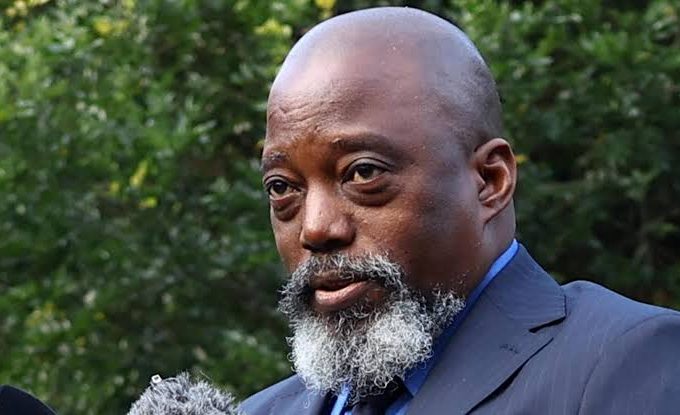
Congo’s Former President Kabila Forms New Rebel Coalition With M23 to Oust Government
Former Congolese President Joseph Kabila has launched a new political-military coalition with...
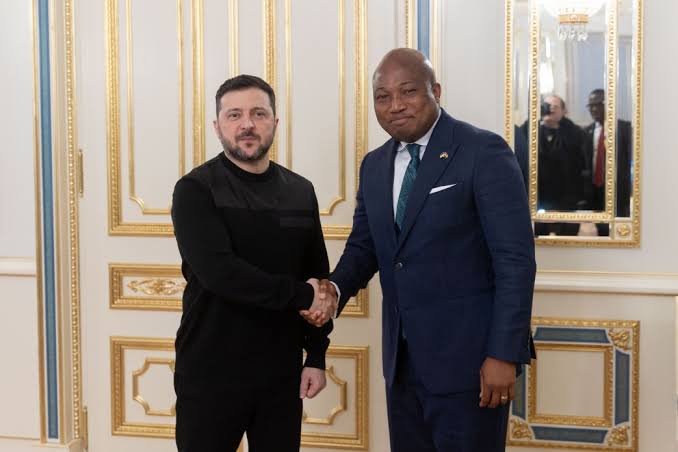
Ukraine Woos Ghana to Help Return Children Abducted by Russia as War Rages On
Ukraine is pressing Ghana to join its international campaign to reunite children...
EKEDC Slams N181,000 Back Charge on Customers After Billing Error, Operations Manager Tells Residents to Do Their Worst
An Eko Electricity Distribution Company customer has accused the company of imposing...
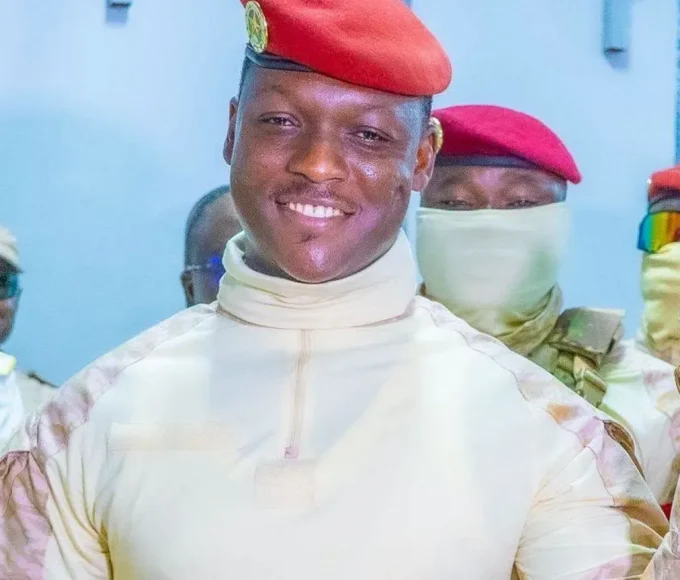

Traoré’s Two Books Raise CFA 125 Million for Burkina Faso’s Patriotic Support Fund
Two books centred on the actions and vision of Burkina Faso’s military...
Leave a comment