





Three Years of Tinubu, Manufacturers Say Policies Have Not Delivered Industrial Growth
 West Africa WeeklyJune 16, 20262 Mins read591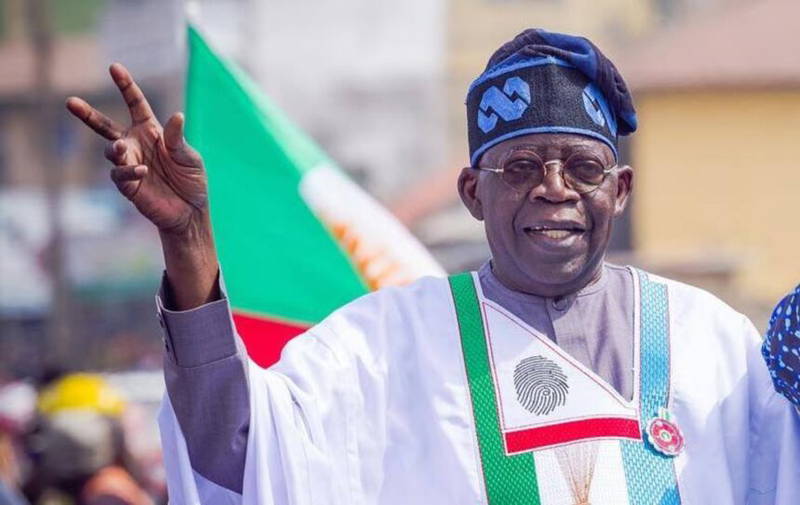
Three years after President Bola Tinubu assumed office, Nigeria’s manufacturers have delivered a sobering verdict: the ambitious reforms have yet to translate into tangible industrial growth. The Manufacturers Association of Nigeria (MAN) acknowledges the administration’s courage in addressing long-standing economic distortions, but insists that manufacturers continue to bear a disproportionate share of the adjustment costs. The distance between what has been announced and what manufacturers are actually experiencing on the factory floor remains vast.
The administration has rolled out an impressive catalogue of industrial initiatives. These include a N200 billion Presidential Intervention Fund structured to support manufacturers and MSMEs, a comprehensive 10-year Nigeria Industrial Policy targeting a manufacturing GDP contribution of 20 to 25 per cent by 2030, and the Nigeria First policy directing government agencies to prioritise locally made goods in public procurement. The 2025 Tax Reform Act introduced withholding tax exemptions and reduced company income tax obligations. The Naira-for-Crude initiative was designed to ease foreign exchange pressure on domestic refineries, while the National Single Window platform aims to cut port clearance times and logistics costs. The proposed 30 per cent local value addition legislation, already passed by the National Assembly, has received strong backing from manufacturers.
MAN has welcomed the intent behind most of these measures. Yet, the broader operating environment tells a far harsher story. The removal of fuel subsidies in May 2023 sent logistics and distribution expenses surging by over 300 per cent within weeks. Electricity tariffs for Band A consumers increased from roughly N68 per kilowatt-hour to between N209 and N225, yet grid instability persists, leaving most manufacturers dependent on costly diesel and gas alternatives. Energy expenditure consequently rose from N781.68 billion in 2023 to N1.34 trillion in 2025. The liberalisation of the foreign exchange market, while improving transparency, triggered a sharp naira depreciation from about N463 to the dollar in June 2023 to around N1,535 by December 2024. This drove the cost of imported raw materials from N3.04 trillion in 2023 to N6.64 trillion in 2024, an increase of approximately 118 per cent.
READ MORE: Gambia and Senegal Seal Landmark Cooperation Agreements Across Defence and Border Management
The human and operational costs have been devastating. Manufacturing capacity utilisation fell from 61.3 per cent in the first half of 2025 to 57.7 per cent in the latter half. More than 18,900 jobs were lost during the review period. Manufacturing value-added declined from $45.2 billion to $21.84 billion over the same period. Tight monetary policies have further constrained industrial expansion. As of March 2026, prime lending rates averaged 24.4 per cent, while maximum lending rates reached 33.8 per cent in some commercial banks. Credit to the manufacturing sector declined from N10.88 trillion in February 2024 to N6.6 trillion by December 2025.
MAN’s Director General, Segun Ajayi-Kadir, has been measured in his criticism, framing the past three years as a period of difficult but necessary transition. He argues that stabilisation and industrial recovery are two different destinations, and Nigeria has arrived at the first without yet moving toward the second. The central question for manufacturers, he insists, is no longer the absence of policy frameworks, but the inability of those policies to translate into lower production costs, improved competitiveness, and measurable industrial growth. Manufacturers need the environment those policies promised: lower production costs, stable energy, affordable credit, and consistent enforcement of procurement rules. Without these, the policy groundwork laid over three years risks remaining just that, groundwork, with no factory floor to show for it.
About The Author


Related Articles

Veteran Actor Olu Jacobs Dies at 84, Nollywood Mourns the Lion of Lufodo
Veteran Nigerian actor and film executive Oludotun Baiyewu Jacobs, popularly known as...
Lagos Government and Tinubu Cause More Pain as Commuters Sleep in Traffic While Repairs Make Everything Worse
Lagos has become a city where going to work means sleeping on...

Ghana Reaffirms Withdrawal of Recognition of Polisario, Backs Morocco’s Autonomy Plan
Ghana has reaffirmed its decision to withdraw recognition of the Polisario Front’s...

Peter Obi Denies Leaving Anambra Debts, Vows to End 2027 Campaign If Proven Wrong
Presidential candidate of the Nigeria Democratic Congress (NDC), Peter Obi, has strongly...
Leave a comment