






President Tinubu Signed Electoral Act 2026 That Removes Certificate Forgery as Ground for Election Petitions, Nigerians Say Law Shields Criminals
 West Africa WeeklyAugust 13, 20262 Mins read965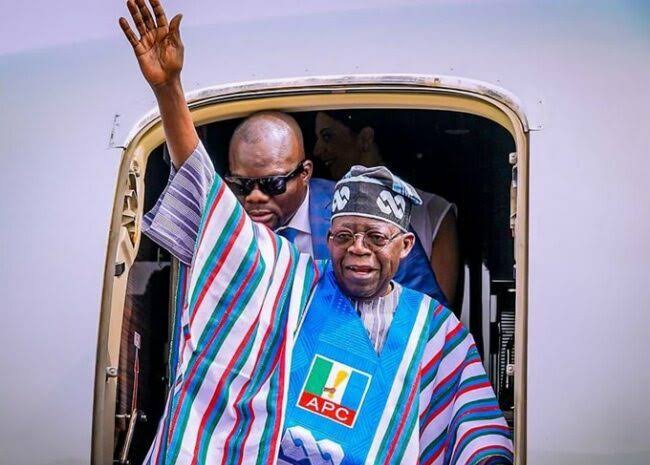
President Bola Tinubu signed the Electoral Act 2026 into law on February 18, 2026, but it is only now, as the 2027 general elections approach, that Nigerians are fully grasping the implications of a legislation that removes certificate forgery, age falsification and false declarations as valid grounds for challenging election results at election petition tribunals. The National Assembly passed the bill and the President gave his assent less than 24 hours later, a speed that surprised many observers. The new law limits election petitions to only two grounds: claims that an election was invalid due to corrupt practices or non-compliance with electoral provisions, and allegations that a candidate was not duly elected by a majority of lawful votes.
Under Section 138 of the Act, the court is required to impose fines of not less than N5 million on counsel and not less than N10 million on the petitioner for filing cases outside the permitted grounds. Previously, allegations of forgery were recognised grounds for filing election petitions. The 1999 Constitution also disqualifies any person who has presented a forged certificate to INEC from contesting for President, Governor or legislative offices. But the removal of these grounds from the Electoral Act has sparked widespread condemnation.
Peter Obi, the 2027 presidential candidate of the Nigeria Democratic Congress, has repeatedly condemned the move, stating that while lawmakers proposed fines of N10 million and up to two years in prison for dual political party membership, they simultaneously removed certificate forgery, age falsification and false declarations as grounds for disputing an election in a tribunal. “This is in direct contradiction to the provisions of the Constitution of Nigeria,” Obi said.
The Social Democratic Party has also condemned the law, with National Secretary Dr Olu Agunloye describing it as fraudulent and sending a dangerous signal to Nigerian youths and the world. “The National Assembly which made the new Act and our President Bola Ahmed Tinubu who signed it into law have just announced to the political class, the youths and to the world that: In Nigeria, we are ready to tolerate criminals and accept them to occupy any command position in the nation,” Agunloye said.
The Yoruba Ronu Leadership Forum has faulted the National Assembly, warning that any legal framework perceived to tolerate or shield forgery could encourage dishonesty, falsification and misrepresentation within society. Afenifere, the pan-Yoruba socio-political organisation, has also criticised the removal, noting that while the 1999 Constitution disqualifies any candidate who presents a false or forged certificate, the new Electoral Act restricts election petitions to only two grounds. The Inter-Party Advisory Council has lamented that the new Electoral Act has drastically reduced the punishments for those engaged in certificate forgery and vote buying. The Vanguard newspaper, in an editorial, described the removal as a “bonanza for certificate forgers” that must be condemned in the strongest terms.
Despite the changes, the APC’s National Publicity Secretary Felix Morka has insisted that certificate forgery remains a criminal offence under Nigerian law and that the Electoral Act does not abolish or legalise forgery in any form. However, Nigerians have argued that removing it as a ground for election petitions effectively shields politicians from consequences, as pursuing separate criminal proceedings outside the election tribunal framework could fragment accountability and delay resolution of qualification disputes long after electoral mandates have been secured. The Electoral Act 2026 has now become one of the most controversial pieces of legislation in Nigeria’s democratic history, with its provisions set to define the political landscape ahead of the 2027 general elections.
About The Author


Related Articles
Peter Obi Rejects $123m Anambra Debt Claim, Says He Left Over $150m in Funds
Peter Obi has rejected claims that he left Anambra State with $123...
Senegal Signs $3.5bn Refinery Deal With Turkey’s Yamata to Process Local Crude, Target West African Fuel Market
Senegal’s state refiner, the Société Africaine de Raffinage (SAR), has signed a...

Tinubu Awards $7bn Ogun Deep Seaport Deal to Chagoury-Linked DP World as Nigerians Question His Priorities
President Bola Tinubu’s administration has awarded two major Ogun State deep seaport...

Niger Introduces Prior Declaration for Large Cash Transports in Anti-Terrorism Push
Niger’s government has announced new rules requiring a prior declaration for the...
Leave a comment