






Office du Niger Unveils Plan to Transform Mali into a Leading Agro-Industrial Power by 2063
 Oluwasegun SanusiJuly 16, 20251 Mins read2.2k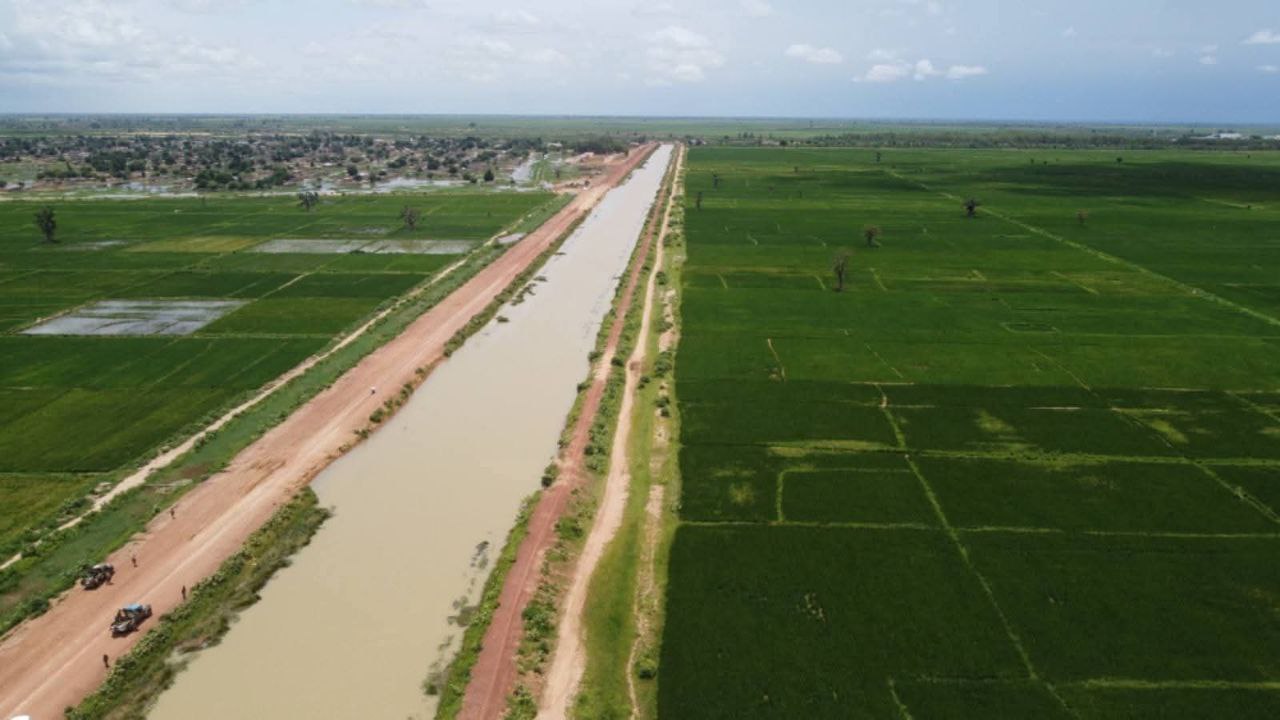
Office du Niger, Mali’s largest agricultural basin and a pillar of national food production, has unveiled its Vision 2063, a transformative and long-term development to make the region a major agro-industrial hub.
The initiative, reported to align with the transitional government’s broader national strategy, tagged “Mali Kura ɲɛtaasira ka bɛn san 2063 ma”, is said to be designed to ensure food sovereignty and sustainable economic growth across the country.
Led by its CEO, Badara Aliou Traoré, the Office du Niger’s Vision 2063 outlines a roadmap to address food insecurity, modernise agriculture, and create jobs in Mali. This strategic plan is built on five foundational pillars:
Institutional and Governance Reform: Redefining the legal and operational framework of the Office, securing land tenure, and improving human resource management and transparency in land allocation.
Integrated Agricultural Production: Intensifying rice farming while promoting diversification into livestock, aquaculture, forestry, and high-value horticultural crops.
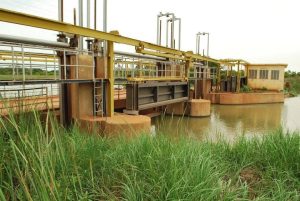
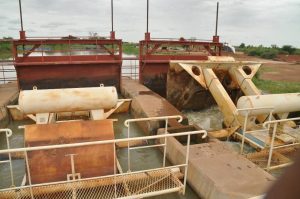
Infrastructure Modernisation: Rehabilitating the critical Markala Dam and associated irrigation networks, while improving drainage and water efficiency throughout the region.
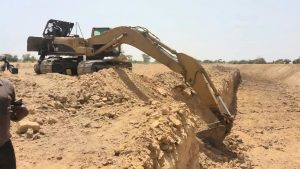
Expansion of Irrigated Land: Developing new hydro-agricultural land and securing investment for feasibility studies and land rehabilitation.
Agro-Industrial Development: Building processing plants, storage and packaging centres, and logistics facilities to reduce post-harvest losses and add value to local produce.
The Vision 2063 is seen as a support to the Project No. 1: FARAFINA JIGINÈ – Feed Mali and the Sub-Region, one of the government’s flagship initiatives under its ten-year strategic implementation plan (SNEDD 2024–2033).
By 2063, the implementation of these actions includes impressive quantitative targets: Development of at least 1,000,000 hectares of new land, construction of at least 500 km of irrigation networks and 700 km of drainage networks, paving of about 1,600 km of distribution canals and splitters and 3,800 km of sprinklers on the existing hydraulic network.
Furthermore, it will increase in rice yield by at least 50 per cent, reaching 9 tons/ha with conventional varieties, expected rice production of at least 3,600,000 tons of paddy rice (at the current yield of 6 t/ha), and 5,400,000 tons with the projected 9 t/ha yield, making Mali a net exporter of rice and the development of around 60,000 hectares for market gardening and crop diversification, with expected production of over 2,300,000 tons.
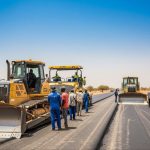
Read Also: Mali Launches $300m Road Maintenance Programme to Boost National Connectivity
Niger Unveils Major Tax Overhaul with New General Tax Code Effective in 2026
About The Author

Related Articles
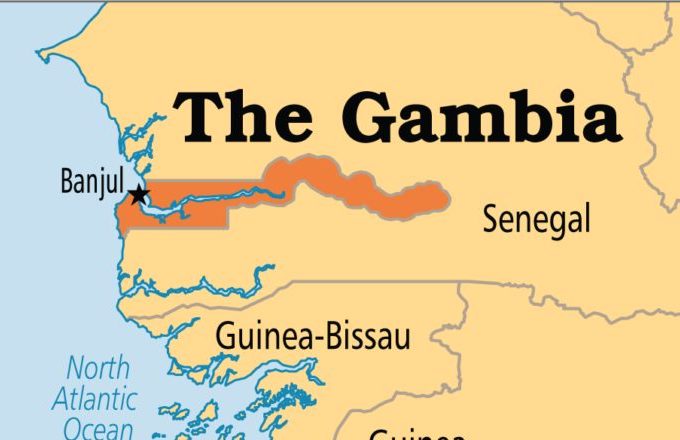
Gambian Businesses Struggle Under Prolonged Blackouts as Anger Mounts Ahead of December Election
Gambian businesses are collapsing under the weight of prolonged power cuts that...

Chelle Names Osimhen, Lookman, Ndidi in 24-Man Super Eagles Squad for 2027 AFCON Qualifiers
Super Eagles head coach Éric Chelle has unveiled a 24-man squad for...
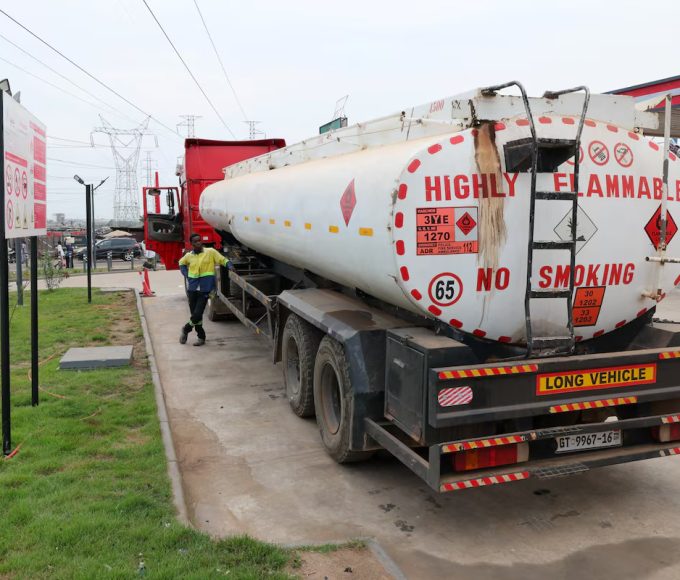
Ghana Cuts Fuel Exports to Burkina Faso and Mali to Protect Its Own Supply
Ghana’s state-owned fuel distributor BOST Energies has reduced diesel and gasoline exports...


ASUU Strike Threatens to Shut Down Federal Universities as Nigerians Accuse Media of Ignoring the Crisis
The Academic Staff Union of Universities is on the verge of a...
Leave a comment