





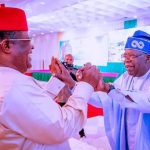
Peter Obi, Kwankwaso Dump ADC for NDC in Major Nigeria Political Realignment
 West Africa WeeklyMay 4, 20262 Mins read681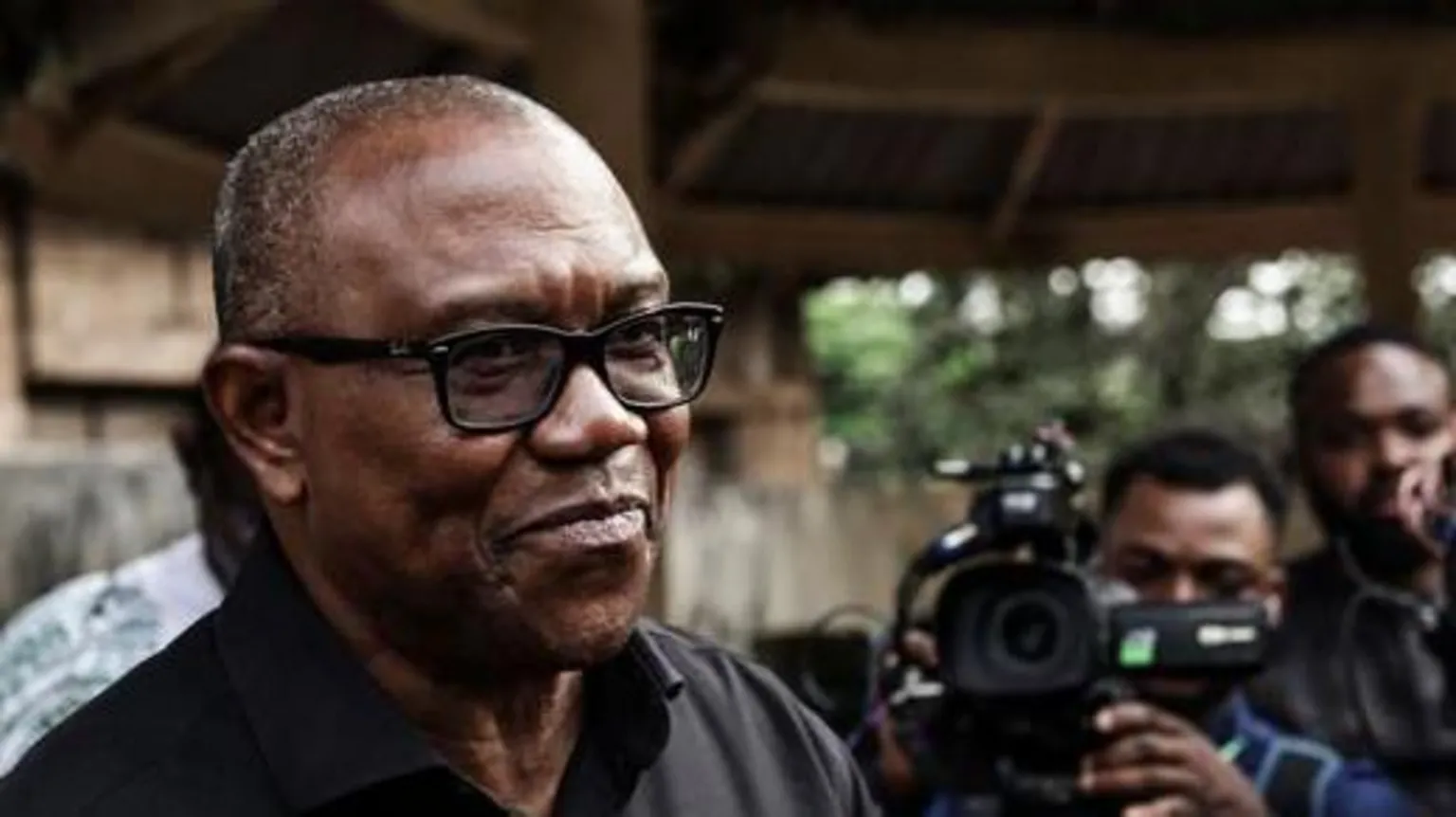
Nigeria’s political landscape shifted significantly over the weekend as two of its most prominent opposition figures, Peter Obi and Rabiu Kwankwaso, formally exited the African Democratic Congress (ADC) to join the Nigeria Democratic Congress (NDC), escalating preparations for the 2027 general elections.
The duo, who finished third and fourth respectively in the 2023 presidential race, were officially unveiled as NDC members at the party’s national headquarters in Abuja on Sunday. Their entry was facilitated by Senator Seriake Dickson, the national leader of the NDC and a former Bayelsa State governor. The move comes just nine months after they and former Vice President Atiku Abubakar joined the ADC in a bid to form a united opposition front, a coalition that quickly became mired in legal disputes and internal crisis.
Reasons for Leaving: ‘Toxic’ Environment and Political Ambitions
In a personally signed statement released on his X account on Sunday, Obi announced his exit from the ADC, citing a “toxic” political environment and systemic internal dysfunction. He said, “We now live in an environment that has become increasingly toxic, where the very system that should protect and create opportunities for decent living often works against the people”. Obi specifically raised concerns about “external interference,” warning that the same destabilizing forces he experienced in the Labour Party were now infecting the ADC. In the same statement, he clarified that his departure was not due to personal grievances against party leaders like Senator David Mark or Atiku Abubakar.
Kwankwaso has also been reported to be leaving due to legal hurdles and internal conflicts within the ADC that his camp believes cannot be resolved in time for the upcoming party primaries.
However, crucial details have emerged regarding the deeper driver of the rift. According to sources that spoke to local media, the primary issue was the struggle for the ADC’s presidential ticket ahead of the 2027 elections. The sources said that former Vice President Atiku Abubakar’s insistence on contesting and refusal to concede the ticket to the South complicated efforts to achieve a consensus within the opposition coalition. The ADC’s failure to establish clear zoning rules for its ticket reportedly created significant uncertainty and ultimately affected the coalition’s stability.
Reactions and Political Impact
The defections have triggered sharp reactions from across the political spectrum. The Presidency and the ruling All Progressives Congress (APC) were quick to respond, with a presidential spokesperson deriding Obi as a “political nomad” and accusing him of avoiding serious political contestation. The APC mocked the move as serial defections in a desperate hunt for an uncontested presidential ticket.
Within the ADC, the exit has sparked concerns over the future of the opposition. A party chieftain, Salihu Lukman, in an open letter to Kwankwaso, warned that such repeated political shifts could diminish his stature and portray him as being driven by personal ambition.
Despite the criticism, the NDC welcomed the high-profile entrants. Upon joining, both leaders called for unity and urged a focus on national development. Obi appealed to his new party members to avoid the legal disputes that have historically weakened political parties in the country. “Please let there be no litigation. Party members, please don’t go to court. We want to build a party, we are not lawyers,” he said. The political shockwave has also reportedly led to other lawmakers, including six serving senators, finalizing plans to defect to the NDC to join the new movement.
The January 2027 presidential election is now shaping up to be a three-way race, with the NDC positioning itself as a major third force capable of challenging President Bola Tinubu of the APC.
About The Author


Related Articles
Gambian Businesses Struggle Under Prolonged Blackouts as Anger Mounts Ahead of December Election
Gambian businesses are collapsing under the weight of prolonged power cuts that...
Chelle Names Osimhen, Lookman, Ndidi in 24-Man Super Eagles Squad for 2027 AFCON Qualifiers
Super Eagles head coach Éric Chelle has unveiled a 24-man squad for...

Ghana Cuts Fuel Exports to Burkina Faso and Mali to Protect Its Own Supply
Ghana’s state-owned fuel distributor BOST Energies has reduced diesel and gasoline exports...

ASUU Strike Threatens to Shut Down Federal Universities as Nigerians Accuse Media of Ignoring the Crisis
The Academic Staff Union of Universities is on the verge of a...
Leave a comment