






Nigeria Faces Risk of Worsening Electricity Shortages as Gas Supply Declines
 West Africa WeeklyMarch 13, 20261 Mins read14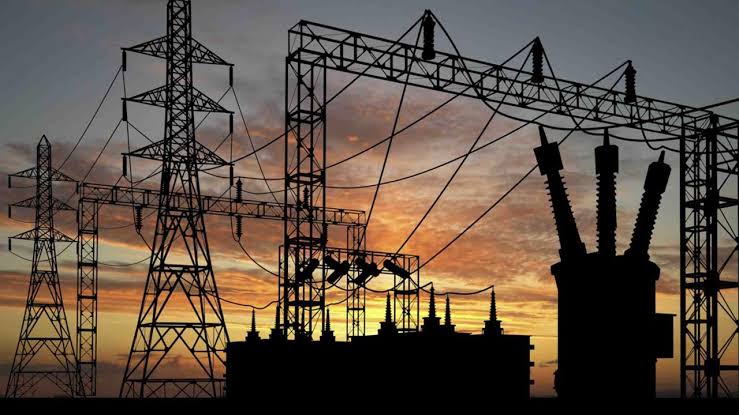
Nigeria may face more severe electricity shortages in the coming weeks as natural gas supply to power plants declines.
Most of the electricity generated in Nigeria comes from thermal plants that rely heavily on natural gas. When supply from gas producers falls, the amount of electricity that can be generated drops immediately.
Industry analysts say the latest reduction in gas deliveries could significantly affect national power output, increasing the likelihood of longer blackouts for homes and businesses across the country.
READ MORE: Ghana Moves Forward With Regulated Cannabis Sector
Nigeria’s power sector has struggled for decades with structural problems including aging infrastructure, weak transmission networks and inconsistent fuel supply.
Although the country has an installed generation capacity exceeding 12,000 megawatts, the grid often produces far less due to gas shortages, maintenance challenges and transmission constraints.
Businesses frequently rely on diesel generators to maintain operations, raising operating costs and placing additional strain on the economy.
Experts say long term solutions will require major investments in gas infrastructure, renewable energy and stronger coordination between gas producers and electricity generation companies.
About The Author



Related Articles

Ghana, Nigeria and South Korea Deepen Energy and Agricultural Cooperation
A growing partnership between Ghana, Nigeria and South Korea is highlighting the...
Ivory Coast Considers Reforming Cocoa Marketing System as Global Supply Increases
The government of Ivory Coast is considering major reforms to its cocoa...

FIFA Considers Replacement Teams Following Iran World Cup Uncertainty
Global football governing body FIFA is reviewing contingency plans for the upcoming...


Ghana Moves Forward With Regulated Cannabis Sector
Authorities in Ghana have officially opened applications for licences allowing businesses and...
Leave a comment