





Niger Introduces Death Penalty for Large-Scale Embezzlement of Public Funds
 West Africa WeeklyJuly 3, 20261 Mins read923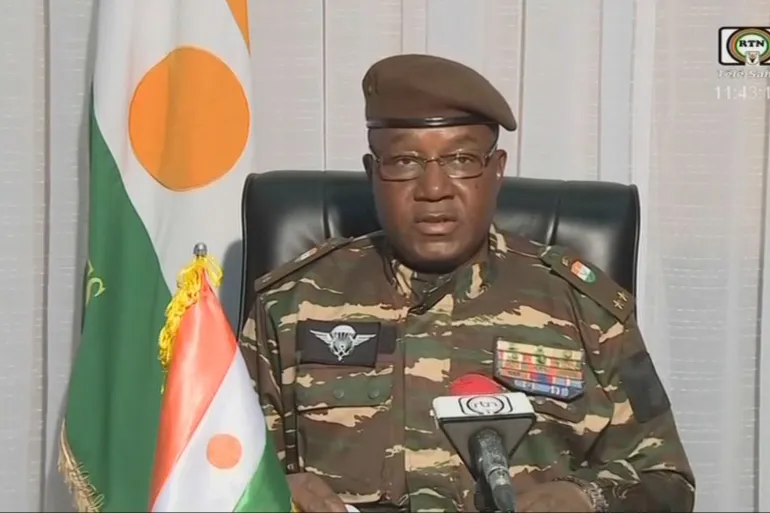
Niger’s transitional authorities have adopted a new penal code that significantly toughens penalties for the embezzlement of public funds, introducing life imprisonment and the death penalty for the most severe cases.
The law, enacted through Ordinance No. 2026-09 of February 16, 2026, establishes a graduated scale of punishments linked to the amount of money stolen. Offences involving less than two million CFA francs are punishable by one to three years in prison. Anyone convicted of embezzling more than 200 million CFA francs (approximately $330,000) faces life imprisonment. For cases exceeding one billion CFA francs (approximately $1.65 million), the law provides for the death penalty.
READ MORE: Tinubu’s Nigeria Secures Another $1.25 Billion World Bank Loan as Debt Hits N159 Trillion
The reform also introduces several procedural measures to ensure financial crimes do not go unpunished. Financial crimes are now imprescriptible, meaning no statute of limitations can protect an offender, even years after the fact. Prosecution is mandatory, removing any discretion to quietly close certain cases. Cases involving penalties of ten years or more are assigned to the Criminal Chamber, a court dedicated to the most serious offences.
For the Nigerien authorities, this text responds to an urgent need to end a long-standing sense of impunity surrounding corruption and embezzlement. According to officials, these practices have a direct cost on the country’s development by depriving the state of essential resources for its projects and its people. The reform is part of a broader movement of institutional refoundation initiated by the authorities since 2023. With these new provisions, Niger now has one of the strictest punitive frameworks on the continent for the embezzlement of public funds.
About The Author


Related Articles
Senegal’s Power Cuts Force Government to Push Gas as the Long-Term Fix
Senegal’s energy minister says the power cuts that hit the country hard...
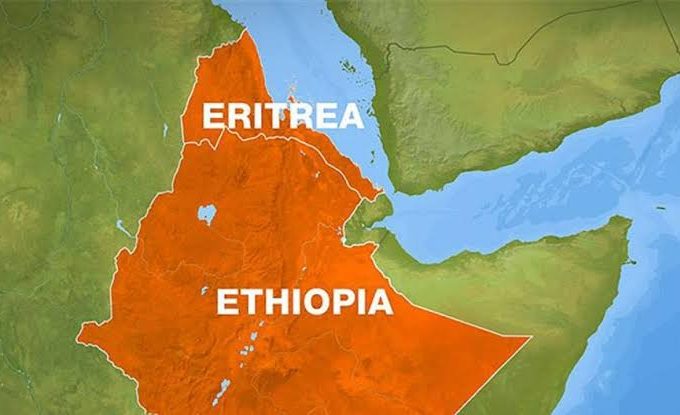
Ethiopia and Eritrea Cut Diplomatic Ties as Tigray Conflict Escalates
Ethiopia and Eritrea have severed diplomatic relations as renewed fighting in northern...

Tinubu Cannot Even Speak for Himself, Nigerians Say After Edited Broadcast Exposed
Nigerians on social media have accused the Presidency of manipulating President Bola...
Tinubu’s Cancer Analogy Backfires as Nigerians Remind Him He Was in Power Since 2015
President Bola Tinubu’s attempt to paint himself as the leader who inherited...
Leave a comment