



Floodwaters Submerge Abuja as Nigerian’s Blame Wike’s Reckless Land Allocations and Neglect of Green Areas
 West Africa WeeklyAugust 18, 20262 Mins read434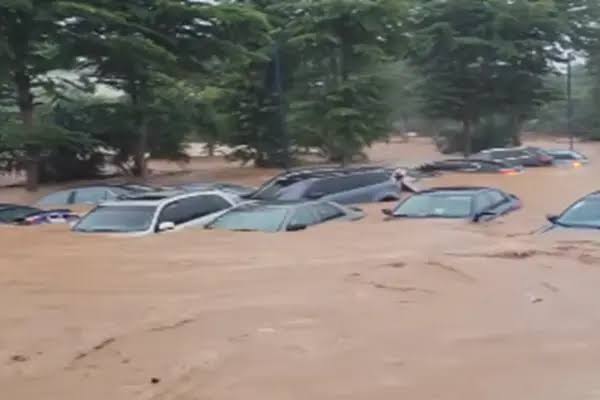
Heavy downpours over the weekend turned parts of Nigeria’s capital into a waterlogged nightmare, submitting luxury cars and major roads in Wuse 2 and other upscale districts to floodwater. The flooding has sparked a wave of criticism directed at Federal Capital Territory Minister Nyesom Wike, with residents and social media users accusing him of selling off green areas, blocking waterways and disregarding the city’s master plan.
Social media user Emma Ikumeh, in a post shared widely on X, warned that the flooding was a direct consequence of the minister’s actions. “Parts Of Wuse 2 in Abuja Flooded After Heavy Downpour… Those Expensive Cars Are Now Underwater. I warned that Abuja will soon start experiencing flooding, because Wike has sold off green areas in Abuja. We will all learn,” Ikumeh wrote. He further noted that “no part of Abuja was ever flooded until recently,” attributing the crisis to a “gross deviation from the Abuja master plan.” He warned that unless natural waterways are cleared of obstructions, areas such as Wuse, Utako and Jabi would continue to experience such flooding at the height of the rainy season.
Another user, Chukwuedozie Nwa Charlie, echoed the sentiment, emphasising that Abuja’s geography makes flooding a result of mismanagement rather than natural causes. “Abuja is a basin. It takes an unbelievable amount of intentional design which has been maintained for a very long time to keep this city properly drained,” he wrote. “The city used to have an incredible network of drains; natural and man made, until Wike emerged out of the shadows.” He further noted that Abuja is 360 metres above sea level with an undulating terrain, making it take “an unbelievable level of drainage mismanagement for it to flood”. He concluded that the mismanagement of the city by someone who “has no skin in the game” and who is neither an architect nor appears to understand the importance of managing Abuja has led to the current crisis.
The criticism has been echoed by residents and human rights activists. Deji Adeyanju, a lawyer and activist, blamed the flooding on “reckless land allocations and the conversion of green areas and waterways”. Reports have emerged alleging that 70% of designated green areas in Abuja have been reallocated for building use. Residents have accused the FCT Administration of selling green areas to developers, leading to blocked drainages and narrowed canals.
Senator Ireti Kingibe, representing the Federal Capital Territory, has also joined the chorus of criticism, stating that the FCT Administration has departed from its master plan. She explained that construction on green areas, flood channels and floodplains had blocked waterways, thereby causing flooding. She further alleged that repeated concerns she raised over flooding and blocked drainage channels were ignored by Wike.
Wike’s aides have defended the minister, arguing that the flooding problem predates his tenure. The FCT Administration has also announced that it is reviewing the 1979 Abuja Master Plan to accommodate new realities. However, critics maintain that the current administration has exacerbated the problem through its actions. As one resident put it: “We have been complaining about Wike selling our green areas to developers, and some people here say we were hating on him”.
The flooding has affected several areas, including Adetokunbo Ademola Crescent in Wuse 2, the area around Delight Event Centre in Gudu and parts of Efab Estate in Lokogoma. The incident has raised serious questions about urban planning and environmental management in the nation’s capital, with many calling for accountability and immediate action to prevent future occurrences.
About The Author

Related Articles
Senegal’s Power Cuts Force Government to Push Gas as the Long-Term Fix
Senegal’s energy minister says the power cuts that hit the country hard...
Ethiopia and Eritrea Cut Diplomatic Ties as Tigray Conflict Escalates
Ethiopia and Eritrea have severed diplomatic relations as renewed fighting in northern...

Tinubu Cannot Even Speak for Himself, Nigerians Say After Edited Broadcast Exposed
Nigerians on social media have accused the Presidency of manipulating President Bola...
Tinubu’s Cancer Analogy Backfires as Nigerians Remind Him He Was in Power Since 2015
President Bola Tinubu’s attempt to paint himself as the leader who inherited...
Leave a comment