
Mass Layoffs Cast Shadow Over Guinea’s Simandou Mine as Exports Begin
 West Africa WeeklyDecember 19, 20251 Mins read903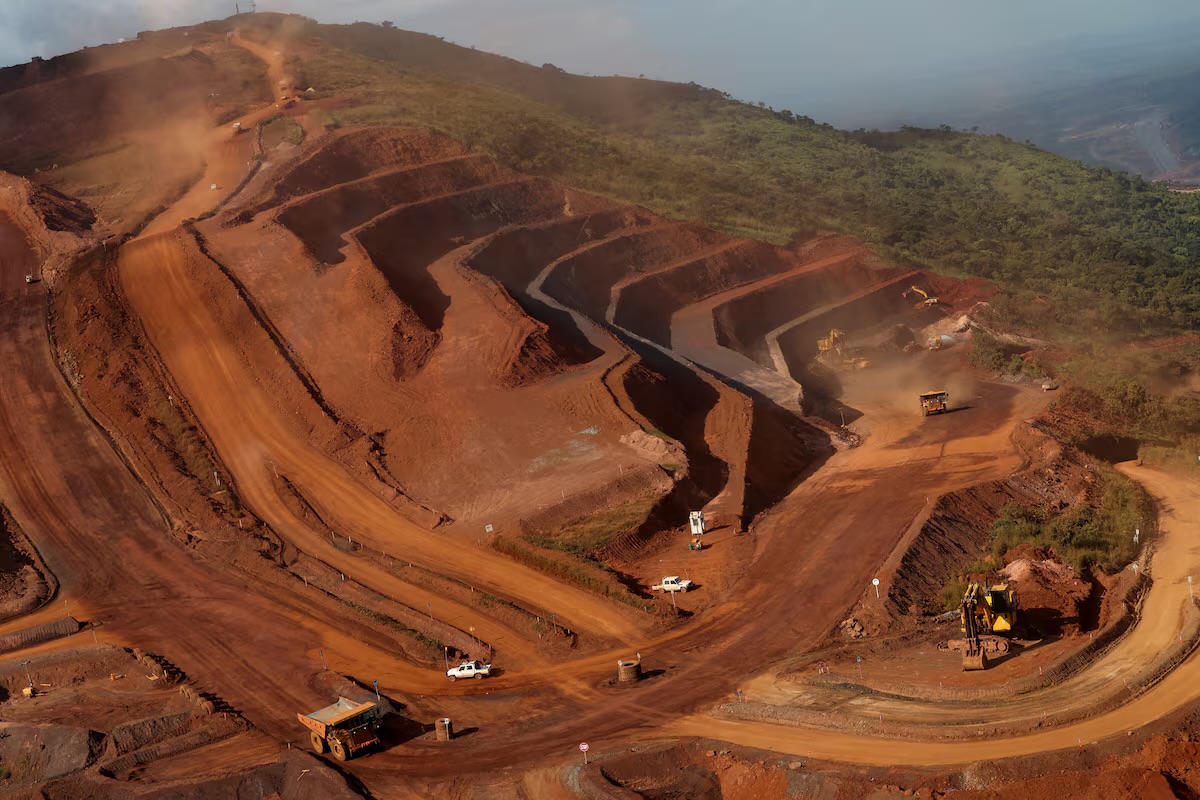
Guinea has begun exporting iron ore from the long delayed Simandou project, marking a major milestone for one of Africa’s largest mining developments. But the start of production is being overshadowed by large scale job losses as construction winds down and the workforce is sharply reduced.
At the height of construction, more than 60,000 workers were employed across the Simandou mines, railway and port infrastructure. As the project shifts from building to operations, employment has dropped to fewer than 15,000 positions, leaving tens of thousands of workers without jobs in a region with limited alternative opportunities.
The layoffs have hit communities in southeastern Guinea where the project drew thousands of workers during its construction phase. Local economies that had grown around the influx of labour are now facing sudden decline, raising concerns about social pressure and economic hardship.
Simandou is expected to become a major source of high grade iron ore for global markets and a significant boost to Guinea’s export earnings once production reaches full capacity. The government, which holds a stake in the project, says revenues from the mine will support long term development plans and infrastructure investment.
However, the immediate impact of the job cuts has exposed the challenges of translating large mining projects into sustained employment. As output accelerates, attention is turning to how Guinea will manage the social fallout from the rapid reduction in jobs and whether promised development benefits will materialise beyond the mine itself.
About The Author

Related Articles
Mali Distributes Over CFA 18 Billion Mining Fund to Local Communities
The transitional president of Mali, Assimi Goïta, has handed over more than...
Bandits at the Akure Airport Confirm What Nigerians Already Know About Tinubu’s Government and Its Failures
Terrorism has so deeply infected Nigeria that nowhere is safe anymore. Not...
Ghana and Belarus Begin Talks on Visa Waiver Agreement
Ghana and Belarus are set to begin negotiations aimed at introducing a...

FIFA Sanctions Nigeria and DR Congo Over World Cup Qualifiers
FIFA has imposed sanctions on both Nigeria national football team and DR...
Leave a comment