






Livestock Reform in Nigeria: Solving Insecurity
 Joshua ChuwangDecember 17, 20252 Mins read585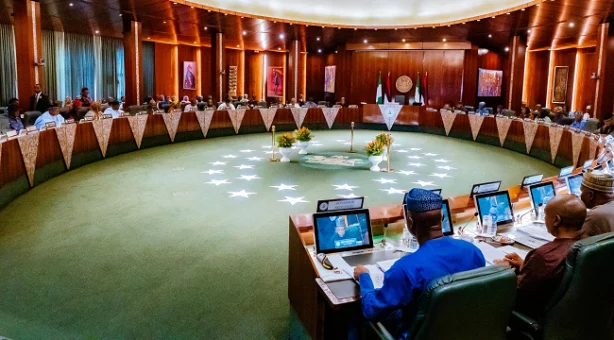
President Bola Ahmed Tinubu has taken a significant step to address the insecurity stemming from farmer-herder clashes in rural Nigerian communities. The President, while speaking at the NEC meeting this week, issued a directive to stop cattle grazing and convert reserves into ranches and livestock settlements. He ordered the Vice President, Kashim Shettima, to oversee the identification and rehabilitation of villages or grazing reserves for cattle farmers to be confined and prevent clashes with farmers.
Again, especially livestock reform, I think the Vice President should get the NEC first of all to see which villages or grazing reserves can be salvaged or rehabilitated into Ranches, Livestock settlements, he said. We must eliminate these areas of conflict and make the livestock reform economically viable, the President said. The opportunity is there—let’s utilise it. You should emphasise the constitutional requirement that land belongs to the states.
However, beyond the livestock reforms and the government’s efforts to restore normalcy in rural communities, such a decision raises uncertainty about how it will directly mitigate insecurity in Nigeria. The sedentary lifestyle of Fulani nomads has been advantageous for them and their flocks. The issue of the farmer-herder crisis does not solely emerge from their interactions. Several factors have led to disagreements between dwellers and herders, albeit over agricultural production.
Ranching and livestock settlements seem like an immediate solution, but this measure only exacerbates insecurity in rural communities. First, the cost of setting up these reserves as ranches and settlements, all as a preventive measure to alleviate poverty, is subject to severe criticism. A country basking in all-around debt and with plans to make life more miserable for Nigerians by imposing taxes, the budget for such projects must be thoroughly investigated.
We have seen in recent times some lawmakers backing policies favouring herders and cattle owners. These exact figures are likely to be at the forefront of efforts to advocate for increased budgetary allocation for Livestock Reform. The project could become the most underrated means of embezzlement because of its nature.
Nomadic herders may resist such reforms because they go against their traditional ways. Even if signed into law, there would be herders who stand firm in their choices and do not comply with government directives. Such could cause problems in the community, and there would rather be an escalation rather than a solution to the issue. There could be unrest that poses a threat to citizens’ security.
Also, the possibility of rustling cannot be overruled. In a society where the aftermath of farmer-herder clashes still lingers, cattle owners and herders stand in danger of being attacked or losing their animals.
Dwellers could wage war against ranches in case of disagreements, and the effect could be more consequential. If confined in a field, adequate infrastructure and security must be put in place to ensure proper maintenance and safety.
There are better ways to address insecurity in the country. Unfortunately, it takes the interference of the world before the Nigerian government takes the lives and properties of its citizens seriously. The introduction of the livestock reform is a step in the right direction. Still, if it is examined, it leaves only one fact: the reemergence of conflict in a novel form, and Nigerians should be ready to dance to the fermented tune of danger.
About The Author



Related Articles
US Moves to Strip Nigerian of Citizenship Over $91 Million Tax Fraud Scheme
The United States Department of Justice has filed a civil complaint seeking...

Senegal Rejects CAF Verdict, Moves to Appeal AFCON Title Decision
A major controversy has erupted in African football after the Confederation of...

Surrogacy in Ghana Marketed at Berlin Fertility Fair Raises Ethical Concerns
A growing controversy is emerging around the global surrogacy industry after a...


Mali Distributes Over CFA 18 Billion Mining Fund to Local Communities
The transitional president of Mali, Assimi Goïta, has handed over more than...
Leave a comment