






Gold Sector Revival Expected to Drive Mali Growth Next Year
 West Africa WeeklyDecember 22, 20251 Mins read972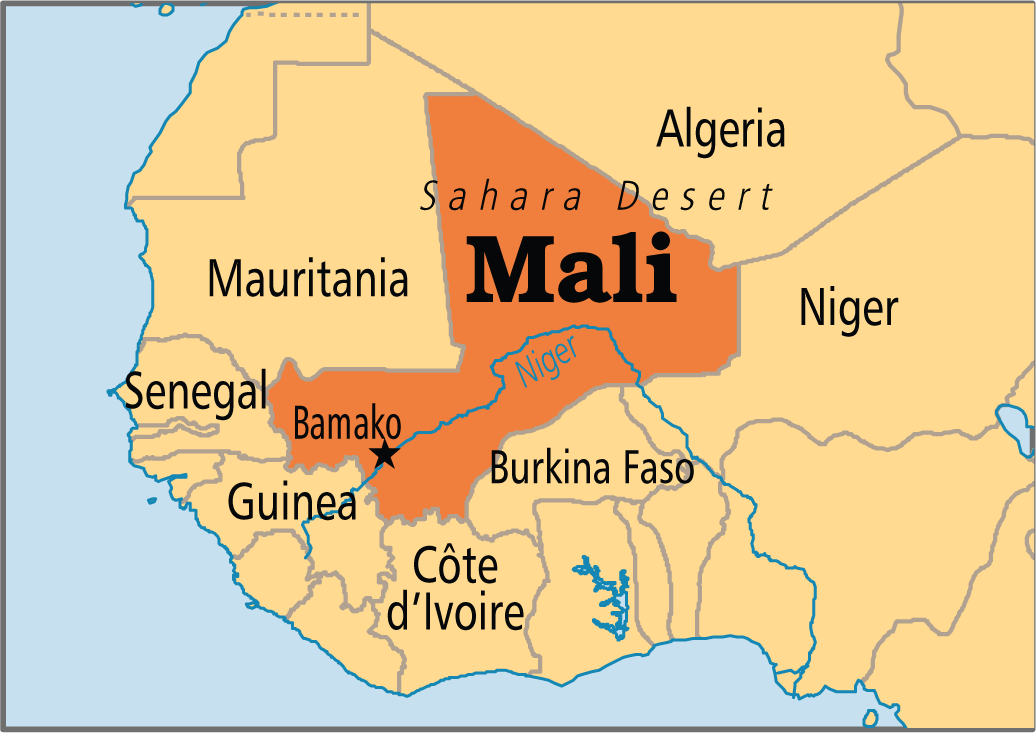
The International Monetary Fund has projected that Mali’s economy will return to growth in 2026, driven largely by a recovery in gold production following the resolution of a dispute between the government and a major international mining company.
According to the IMF’s assessment, Mali’s economic performance in recent years has been constrained by disruptions in its mining sector, particularly at one of its largest gold complexes. The standoff, which followed changes to the country’s mining code, led to reduced output and weighed heavily on export earnings and public revenue.
That situation has now eased after both sides reached an agreement allowing full operations to resume. The IMF expects the restart of large-scale production to lift overall growth, projecting an expansion of more than 5% in 2026 if output stabilises and global gold prices stabilise in a supportive manner.
READ MORE: Burkina Faso, Mali and Niger Formalise New Regional Security Alliance
Gold remains the backbone of Mali’s economy, accounting for the majority of export income and a significant share of government revenue. Any sustained disruption has immediate consequences for public finances, employment, and investor confidence. The recent settlement is therefore seen as critical not only for production but also for restoring predictability in the country’s investment climate.
While the outlook is improving, the IMF notes that risks remain. Mali continues to face security challenges that affect economic activity in parts of the country, and heavy reliance on a single commodity leaves it vulnerable to global price swings. The Fund has emphasised the need for broad diversification and continued fiscal reforms.
Still, the renewed momentum in the gold sector offers Mali a pathway out of stagnation. If managed effectively, analysts say the rebound could provide the government with breathing space to stabilise the economy and pursue long-term structural changes.
About The Author



Related Articles

US Moves to Strip Nigerian of Citizenship Over $91 Million Tax Fraud Scheme
The United States Department of Justice has filed a civil complaint seeking...
They Tried to Take Kenyan Land in 1903, Now They’re Back With Vacation Homes
In 1903, British Colonial Secretary Joseph Chamberlain made an offer that could...

Senegal Rejects CAF Verdict, Moves to Appeal AFCON Title Decision
A major controversy has erupted in African football after the Confederation of...


Surrogacy in Ghana Marketed at Berlin Fertility Fair Raises Ethical Concerns
A growing controversy is emerging around the global surrogacy industry after a...
Leave a comment