






Burkina Faso, Mali and Niger Formalise New Regional Security Alliance
 West Africa WeeklyDecember 22, 20251 Mins read1.6k
Burkina Faso, Mali and Niger have formally launched a joint regional military force, deepening security cooperation among the three Sahelian states as they seek to confront insurgency and cross-border threats without reliance on traditional regional blocs.
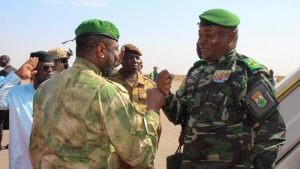
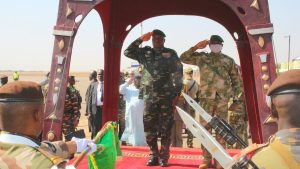
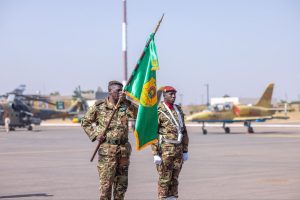
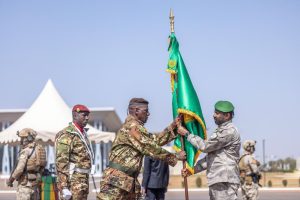
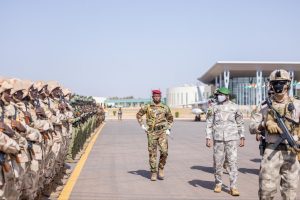
The force, comprising about 5,000 troops drawn from the three countries, was unveiled during a ceremony attended by senior military leaders and government officials. It operates under a unified command structure and represents the most concrete security initiative to date within the Alliance of Sahel States, the bloc formed after the three countries withdrew from the Economic Community of West African States.
Military leaders involved in the project say the new force is designed to improve coordination, intelligence sharing, and rapid response across borders that insurgent groups have long exploited. The headquarters will be based in Niger, with rotational leadership reflecting the alliance’s emphasis on shared responsibility.
READ MORE: Ghana Receives Nigerian Military Aircraft After Burkina Faso Release
Since seizing power in separate coups, the governments of Burkina Faso, Mali and Niger have increasingly distanced themselves from Western-backed security arrangements, arguing that previous frameworks failed to stem violence. The creation of a self-directed regional force signals a shift toward sovereignty-focused defence policies and reduced dependence on external military support.
Supporters of the initiative argue that local forces are better positioned to understand terrain, communities, and threat dynamics. Critics, however, warn that operating outside broader regional structures could complicate coordination with neighbouring states and international partners, especially in intelligence and logistics.
Despite the debate, the launch marks a significant moment in Sahel politics. It reflects a broader realignment underway across the region, in which security strategy is increasingly shaped by military governments seeking autonomy amid prolonged conflict and international scepticism.
About The Author

Related Articles
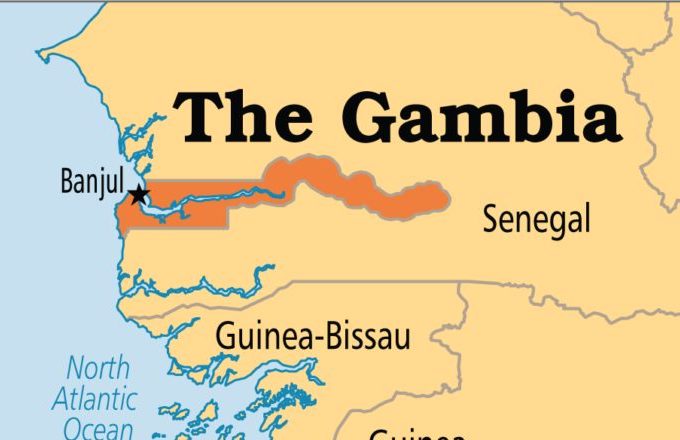
Gambian Businesses Struggle Under Prolonged Blackouts as Anger Mounts Ahead of December Election
Gambian businesses are collapsing under the weight of prolonged power cuts that...
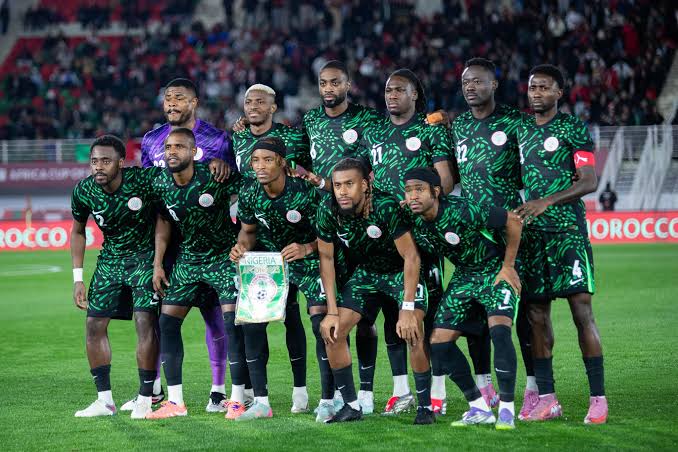
Chelle Names Osimhen, Lookman, Ndidi in 24-Man Super Eagles Squad for 2027 AFCON Qualifiers
Super Eagles head coach Éric Chelle has unveiled a 24-man squad for...
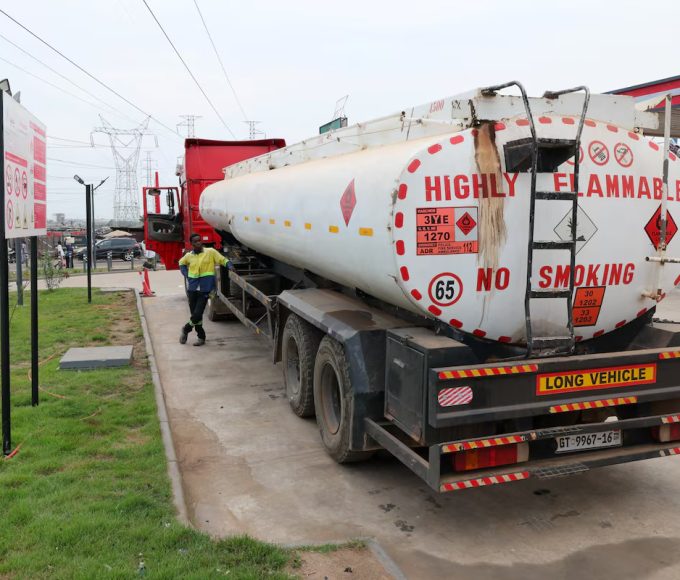
Ghana Cuts Fuel Exports to Burkina Faso and Mali to Protect Its Own Supply
Ghana’s state-owned fuel distributor BOST Energies has reduced diesel and gasoline exports...


ASUU Strike Threatens to Shut Down Federal Universities as Nigerians Accuse Media of Ignoring the Crisis
The Academic Staff Union of Universities is on the verge of a...
Leave a comment