






Ghana Records Lowest Inflation in Five Years
 West Africa WeeklyFebruary 6, 20261 Mins read316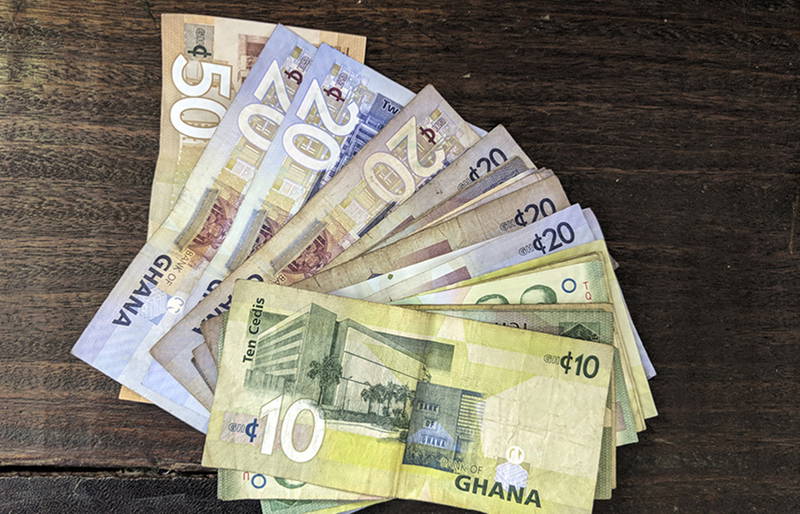
Ghana’s inflation has fallen to its lowest level in five years, offering a sign of relief for households and businesses after a long period of economic strain.
Official data from the Ghana Statistical Service shows that consumer inflation fell to 3.8 per cent in January, extending a steady disinflation trend that has persisted for more than a year. Prices rose just 0.2 per cent compared to the previous month, reflecting easing pressures across both food and non-food items.
Food inflation slowed to 3.9 per cent year on year, while non-food prices declined slightly every month. The broad easing of prices has allowed the Bank of Ghana to shift its stance, cutting the benchmark interest rate by 250 basis points to 15.5 per cent in a move aimed at supporting economic growth while keeping inflation in check.
READ MORE: Rebel Group Targets Kisangani Airport in Escalation of Congo Conflict
Economists attribute the steady drop in inflation to a combination of factors. A stronger cedi has helped reduce the cost of imported goods, while improved food supply and better harvests have eased pressure on household expenses. Lower global commodity prices and tighter monetary policy over the past year have also played a role.
The decline comes as Ghana continues to recover from one of the worst economic crises in its recent history, a period marked by surging prices, debt restructuring, and an IMF-backed recovery programme. Officials say the fall in inflation should ease the burden on households and businesses, though policymakers remain cautious about the pace of the recovery.
For many Ghanaians, the latest figures offer a rare piece of positive economic news, suggesting that the country’s painful reforms may be yielding results.
About The Author



Related Articles

Mali Prepares 10‑Point Response Plan as Middle East Tensions Threaten Maritime Supply Routes
Mali’s transitional president, Assimi Goïta, chaired an ordinary session of the Council...

Burkina Faso Takes on Economic Domination with 10‑Day Campaign for Local Consumption
Burkina Faso has kicked off its National Days of Patriotic Engagement and...
Guinea and Emirates Global Aluminium Near Deal to End Bauxite Dispute After Asset Seizure
Guinea has reached the brink of an agreement with Emirates Global Aluminium,...


Grow Your Own Tomatoes, Ghana Government Tells Citizens as Burkina Faso Ban Worsens Shortage
The Ghanaian government has asked citizens to start growing tomatoes in their...
Leave a comment