






Ghana Orders Advanced ACH160 Helicopters to Bolster Security Aviation
 West Africa WeeklyJanuary 19, 20261 Mins read250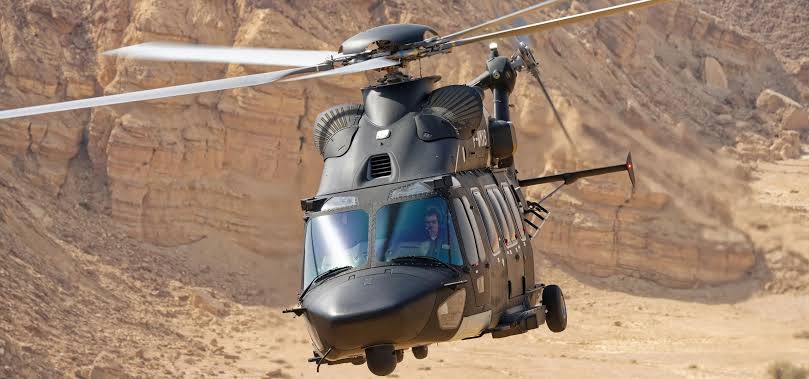
Ghana has secured an order for a batch of the world’s most technologically advanced ACH160 helicopters, marking a significant enhancement of its aerial capability. The deal underscores Accra’s ongoing efforts to modernise its defence and public security infrastructure while positioning the country as a regional leader in advanced aviation assets.
Details of the procurement reveal that Ghana’s government has chosen the ACH160, a helicopter model known for its versatility, advanced avionics, and high-performance capabilities in diverse operational contexts. While initially developed for executive transport and high-end civilian work, these helicopters are increasingly valued by national governments for their adaptability in security, medical evacuation, and rapid response missions.
Officials in Accra have framed the acquisition as part of a long-term strategy to strengthen Ghana’s ability to respond to internal security needs, humanitarian emergencies, and regional collaborations aimed at enhancing stability across West Africa. The technology onboard the ACH160, including state-of-the-art navigation systems, situational awareness tools, and flexible mission profiles, offers an upgrade from older platforms traditionally used by the Ghana Armed Forces and allied agencies.
READ MORE: Ethiopia Moves to Print Its Own Currency as Part of Economic Sovereignty Push
Defence analysts see the move as an essential step for Ghana, which has sought to balance investments in both conventional forces and non-kinetic capacities supporting civil protection and disaster response. The helicopters’ multifunctional design enables them to be deployed for search-and-rescue operations, medical airlifts, and surveillance missions, providing the Ghanaian government with an asset that bridges defence and civilian uses.
The purchase also reflects a broader trend across Africa where nations are reassessing aerial capabilities in the face of evolving security challenges. From natural disaster response to counter-terrorism operations and border monitoring, advanced rotary aircraft are increasingly seen as force multipliers, offering rapid mobility and flexibility across vast territories.
Ghana’s move is expected to spur further dialogue with regional partners on joint aerial operations, training partnerships, and shared maintenance infrastructure that could reduce costs and fortify collective security frameworks.
About The Author


Related Articles

MultiChoice Pumps GH¢200 Million Into Ghana’s Creative Industry
MultiChoice Ghana has invested more than GH¢200 million into the country’s creative...

FIFA Confirms DR Congo Playoff Spot, Ending Nigeria’s World Cup Dream
Nigeria’s hopes of qualifying for the 2026 FIFA World Cup have come...


Ghanaians to Travel to St Kitts and Nevis Without Visa
Ghanaian citizens will soon be able to travel to the Caribbean nation...
Ghana Records Sharp Drop in Inflation, Lowest Since 2021
Ghana’s inflation rate dropped to 3.3 percent in February 2026, marking the...
Leave a comment