
Gabon Suspends Social Media “Until Further Notice” Amid Rising Unrest
 West Africa WeeklyFebruary 18, 20262 Mins read463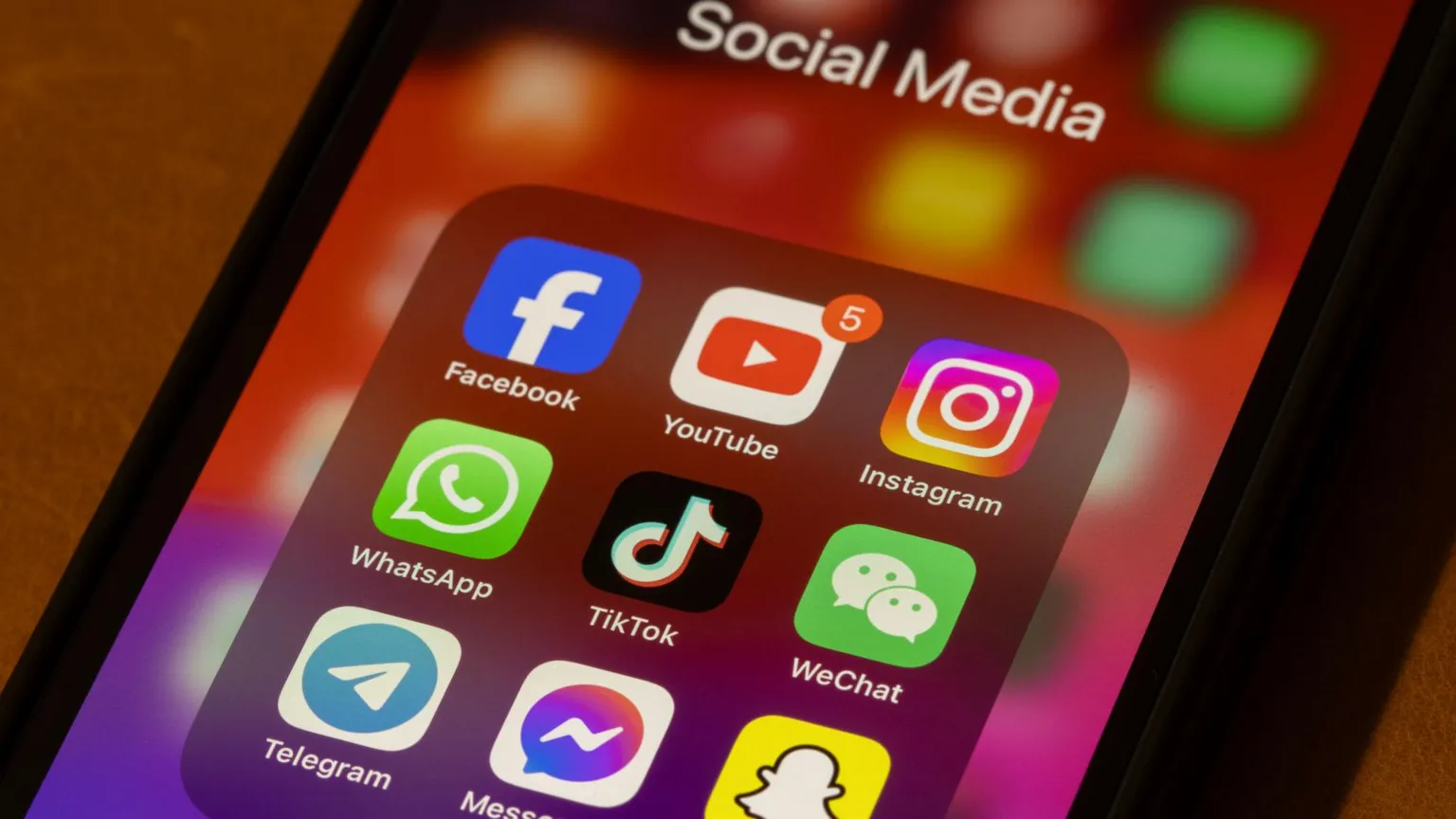
Gabon’s media regulator has announced the suspension of social media platforms nationwide, saying online content has fuelled division and threatened national stability. The move, which officials said will last “until further notice,” marks a significant step by authorities in one of Central Africa’s small but strategically positioned nations.
In a televised statement, the High Authority for Communication said it had observed the spread of material it described as “inappropriate, defamatory, hateful, and insulting” on social platforms, undermining social cohesion, human dignity, and public morality. The regulator also pointed to the circulation of false information, cases of cyberbullying, and the unauthorised sharing of personal data as key concerns behind the decision.
Official spokespeople did not specify which platforms would be targeted. Still, widely used services such as Facebook, WhatsApp and TikTok are among the most popular in Gabon, where nearly a third of the population engages with social networks for news, business, and social connection. Some services were already reported to be inaccessible in parts of the country by mid‑morning on Wednesday.
The announcement comes at a politically sensitive moment for Gabon. Less than a year into his presidency, General Brice Oligui Nguema is facing growing social unrest. Teachers and other civil servants have staged strikes and protests over pay, working conditions, and broader economic frustrations. The strike movement began in December with educators and has since spread to other sectors, including healthcare, higher education, and public broadcasting.
Authorities framed the suspension as a measure to safeguard national unity, democratic progress and institutional stability. The regulator said that unrestricted content on social media was likely to fuel social conflicts, destabilise state institutions and jeopardise achievements made in recent years. Gabonese officials said they remained committed to freedom of expression, including the right to comment and criticise. Still, they argued that such rights must be exercised within the bounds of national and international laws.
The decision has sent shockwaves through Gabon’s digital and business communities. Social media platforms are not only avenues for political expression but also critical tools for commerce, especially for small businesses and informal traders who rely on digital promotion to reach customers. A restaurant owner in the capital, Libreville, said social platforms were essential to attracting patrons, and the suspension would have a direct negative impact on business. Many younger Gabonese also use these networks for social interaction, recruitment and income generation.
Public reactions have been mixed. Some citizens defended the government’s move, saying that extreme measures were sometimes necessary to preserve peace and order. A taxi driver said authorities must have had convincing reasons for such a drastic action. However, voices on the ground have also raised concerns about the potential for broader restrictions on freedom of expression and fear that the ban could dampen open dialogue and economic opportunities.
The social media suspension follows a pattern seen in other nations where authorities have turned to digital restrictions as a rapid response to unrest or political tension. For Gabon, the measure arrives at a moment when the government is trying to balance maintaining order with rising pressure from citizens demanding better economic conditions and respect for democratic freedoms.
About The Author


Related Articles
Ghana Turns National ID into a Payment Card, Becomes First in Africa
Ghana has become the first country in Africa to integrate a fully...
India Sends 1,000 Metric Tonnes of Rice to Burkina Faso Amid Worsening Humanitarian Crisis
India has dispatched a consignment of 1,000 metric tonnes of rice to...
INEC Withdraws Recognition of David Mark Led ADC Executive Following Appeal Court Judgment
The Independent National Electoral Commission has removed the names of Senator David...

Burkina Faso and Equatorial Guinea Pledge Stronger Bilateral Cooperation as Foreign Minister Visits Malabo
Burkina Faso’s Minister of Foreign Affairs, Karamoko Jean Marie Traoré, has completed...
Leave a comment