



Following Maduro Capture, Trump Outlines Plan for Venezuela’s Oil and Transition; Global Reactions Split Between Outrage and Caution
 West Africa WeeklyJanuary 3, 20262 Mins read583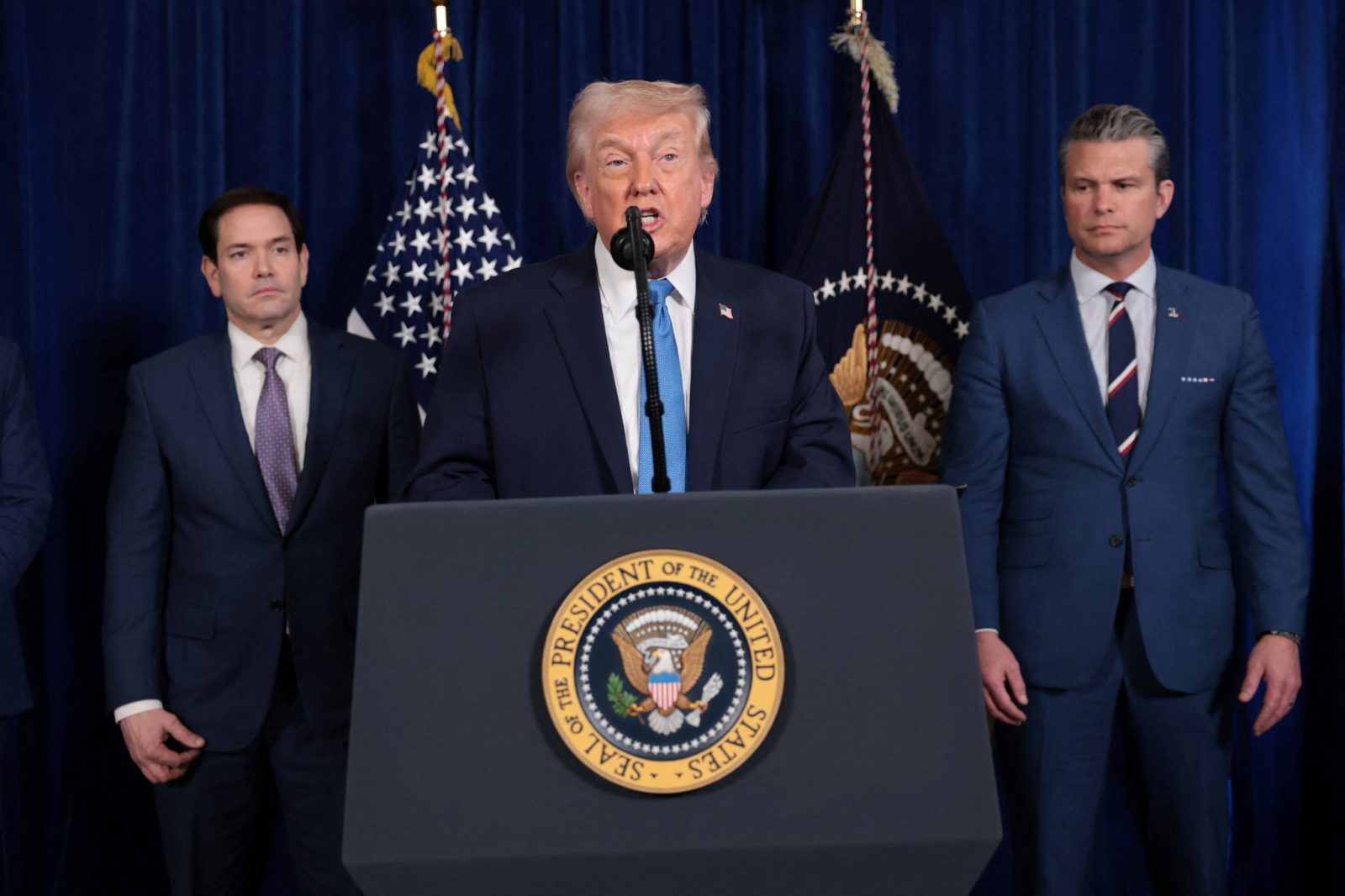
The capture of Venezuelan President Nicolás Maduro by United States forces stands as one of the most significant and controversial military actions in recent hemispheric history. In the early hours of January 3, 2026, under the banner of Operation Absolute Resolve, a large-scale American incursion involving over 150 aircraft struck targets in and around Caracas. The central objective, executed by Delta Force operatives, was the apprehension of President Maduro and his wife, First Lady Cilia Flores. Both were successfully extracted from the country and now face federal charges in a New York court, including narco terrorism conspiracy.
The United States government, under President Donald Trump, has framed this unprecedented operation as a necessary escalation in its war on drugs. Administration officials have long characterised the Maduro government as a criminal narco state, accusing the president himself of leading a drug cartel. This action followed months of increasing pressure, including the seizure of Venezuelan oil tankers and lethal strikes on vessels suspected of trafficking. In the aftermath, President Trump stated that the U.S. would manage Venezuela’s affairs to ensure a transition, suggesting that American oil firms could help operate the country’s oil infrastructure, with costs potentially recouped from Venezuelan reserves.

The global reaction has been one of profound alarm and sharp division. The United Nations Secretary-General expressed deep concern, with officials warning that the unilateral capture of a sitting head of state sets a dangerous precedent that may violate the UN Charter. Nations across Latin America, including Brazil and Mexico, joined Russia and China in condemning the act as a blatant violation of sovereignty and an illegal use of force. Even traditional European allies offered only cautious and concerned responses, emphasising the primacy of international law.
READ MORE: Cape Verde Ends Visa on Arrival for Citizens of 96 Countries
Inside Venezuela, the political situation remains tense. Vice President Delcy Rodriguez denounced the capture as a kidnapping and affirmed Maduro as the nation’s only legitimate president, directly contradicting U.S. claims of her cooperation. The event has plunged the country into a state of severe uncertainty. Meanwhile, serious legal and political challenges are mounting within the United States. Constitutional scholars and former officials almost universally label the operation a criminal act of aggression, absent a congressional declaration of war or authorisation for the use of military force. The Senate is now compelled to debate a war powers resolution to check further military action.
The coming weeks will determine the durability of this new and volatile status quo, testing the limits of international law and redefining the boundaries of unilateral power in the 21st century.
About The Author


Related Articles

Chimamanda Adichie Joins Global Campaign for Luxury Brand Bvlgari
Renowned Nigerian author Chimamanda Ngozi Adichie has been featured in a new...
Congo’s 82 Year Old President Set to Extend Four Decades in Power
President Denis Sassou Nguesso of the Republic of the Congo appears poised...
Congo Football Chief and Family Sentenced to Life Over Misuse of FIFA Funds
A court in Brazzaville has sentenced the president of the Congolese Football...

Ghana Moves Ahead With New Gold Royalty System Despite Global Pressure
The government of Ghana is pushing forward with a new gold royalty...
Leave a comment