


Equatorial Guinea Government Resigns After Achieving Just 10 Percent of Targets
 West Africa WeeklyJune 17, 20261 Mins read577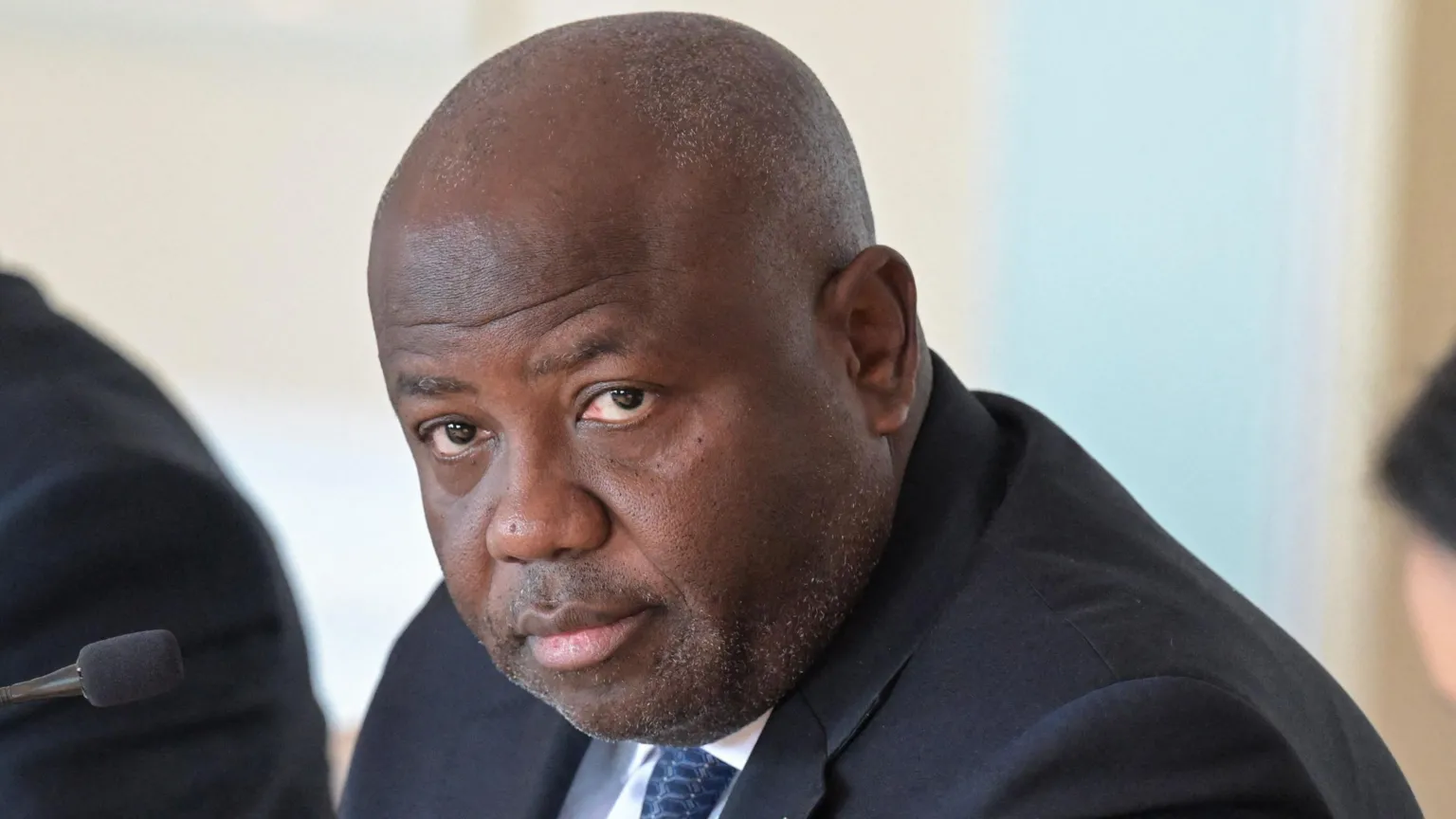
Equatorial Guinea’s entire government has resigned after an internal review found that it had achieved only a fraction of its stated objectives, Vice-President Teodoro Nguema Obiang Mangue announced on Tuesday.
The vice-president, who is also the son of President Teodoro Obiang Nguema Mbasogo, said Prime Minister Manuel Osa Nsue Nsua had presented the resignation of all cabinet members because the government had barely reached 10 percent of its targets. While Obiang did not specify the exact targets, he stated on social media platform X that the resignation was in line with “the principle that responsibility in public management must be accompanied by results.” “The degree of execution achieved is clearly insufficient in relation to the expectations and commitments undertaken,” he posted.
In a separate statement on Facebook, the ruling Democratic Party of Equatorial Guinea said President Obiang was dissatisfied with the outgoing government’s management. The president had observed that the government fostered corruption and misused state resources for personal interests. The statement also cited stagnation in the implementation of development projects and noted that the government had failed to implement policies to diversify the economy, particularly in the agricultural sector, which would reduce reliance on imported goods that could be produced locally.
READ MORE: MSF Fires 18 Staff After Sexual Abuse Scandal Involving Sudanese Refugees
President Obiang, the world’s longest-serving leader who has ruled the oil-rich West African country with a strong grip since 1979, appointed the outgoing government in 2024, with Manuel Osa Nsue Nsua as prime minister. The president has frequently named family members to key government roles throughout his decades-long rule.
The resignation comes as Equatorial Guinea, a major oil producer, continues to face economic challenges despite its significant energy reserves. The country has struggled with high poverty rates and limited economic diversification, with much of its wealth concentrated in the hands of a small elite. It remains unclear when a new government will be appointed or who will be selected to lead the next administration.
About The Author



Related Articles
Veteran Actor Olu Jacobs Dies at 84, Nollywood Mourns the Lion of Lufodo
Veteran Nigerian actor and film executive Oludotun Baiyewu Jacobs, popularly known as...
Lagos Government and Tinubu Cause More Pain as Commuters Sleep in Traffic While Repairs Make Everything Worse
Lagos has become a city where going to work means sleeping on...
Ghana Reaffirms Withdrawal of Recognition of Polisario, Backs Morocco’s Autonomy Plan
Ghana has reaffirmed its decision to withdraw recognition of the Polisario Front’s...

Peter Obi Denies Leaving Anambra Debts, Vows to End 2027 Campaign If Proven Wrong
Presidential candidate of the Nigeria Democratic Congress (NDC), Peter Obi, has strongly...
Leave a comment