


Doumbouya Sworn In as Guinea’s President After Transitional Rule
 West Africa WeeklyJanuary 19, 20261 Mins read315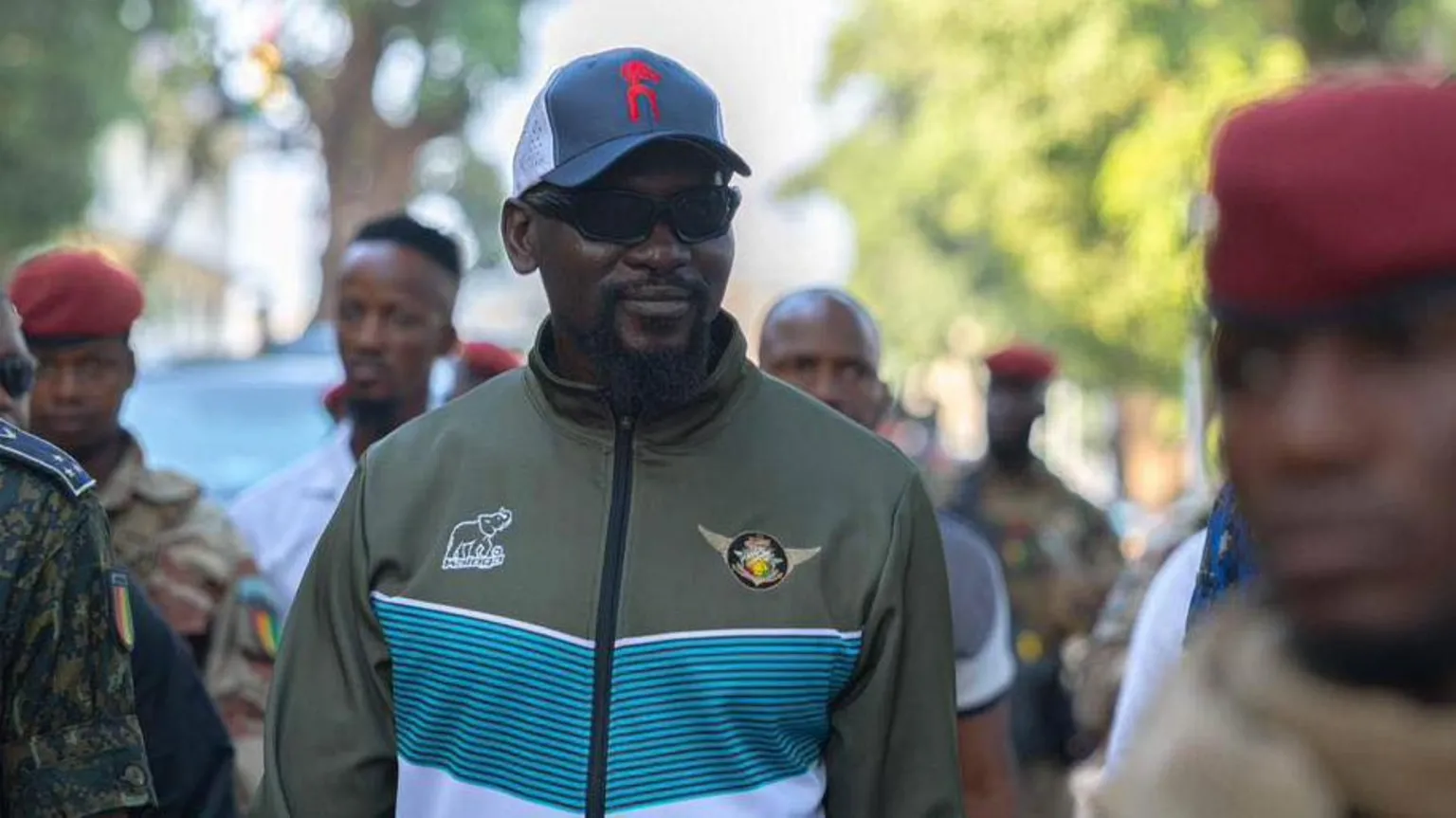
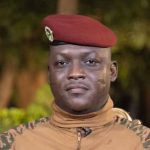
General Mamadi Doumbouya was officially sworn in as the president of Guinea this weekend, marking the end of a long military transition period and the start of a new chapter in the country’s political life. The inauguration took place on Saturday in Conakry, where tens of thousands of supporters gathered at the newly built 55,000-seat stadium to witness the ceremony. Heads of state and senior officials from across Africa and beyond attended, including representatives from the African Union, the Economic Community of West African States, Nigeria, Ghana, Senegal, and The Gambia.
Doumbouya took an oath to uphold the constitution, which had been revised in late 2025 to allow military leaders to run for office. Under the new constitutional framework, presidential terms have been extended from 5 to 7 years, with a limit of 2 terms. The changes paved the way for Doumbouya to transition from a junta leader to a constitutional president, a move he had long resisted before ultimately deciding to contest the December 2025 election.
Official results validated by the Supreme Court showed Doumbouya won with an overwhelming 86.7 per cent of the vote. The leading opposition figures were either in exile, barred from participating, or had little visibility during the campaign, leading critics to label the election process as flawed and lacking genuine competition. The runner-up, Yero Baldé, who secured just over 6% according to official figures, initially challenged the results but later withdrew his petition before the court ruled.
Supporters of Doumbouya celebrated his ascension, seeing in it a symbol of stability after years of uncertainty following the 2021 coup that toppled President Alpha Condé, Guinea’s first democratically elected leader since independence. During his time in power before the election, Doumbouya dissolved key state institutions, suspended the previous constitution, and quashed protests, drawing international concern over civil liberties and political freedoms.
Despite Guinea’s substantial natural resource wealth, including some of the world’s largest bauxite reserves and significant iron ore deposits, much of the population continues to live in poverty, with food insecurity affecting large segments of the country. Doumbouya has pledged to harness Guinea’s mineral wealth to boost economic growth and tackle entrenched social challenges. How his administration balances these economic priorities with the expectations of those who hoped for deeper democratic reforms will be a defining test of his leadership in the coming years.
About The Author

Related Articles
MultiChoice Pumps GH¢200 Million Into Ghana’s Creative Industry
MultiChoice Ghana has invested more than GH¢200 million into the country’s creative...
FIFA Confirms DR Congo Playoff Spot, Ending Nigeria’s World Cup Dream
Nigeria’s hopes of qualifying for the 2026 FIFA World Cup have come...

Ghanaians to Travel to St Kitts and Nevis Without Visa
Ghanaian citizens will soon be able to travel to the Caribbean nation...
Ghana Records Sharp Drop in Inflation, Lowest Since 2021
Ghana’s inflation rate dropped to 3.3 percent in February 2026, marking the...
Leave a comment