



Chad Threatens Withdrawal from Multinational Joint Task Force Over Ineffectiveness Against Insurgents
 Mayowa DurosinmiNovember 4, 20241 Mins read1.2k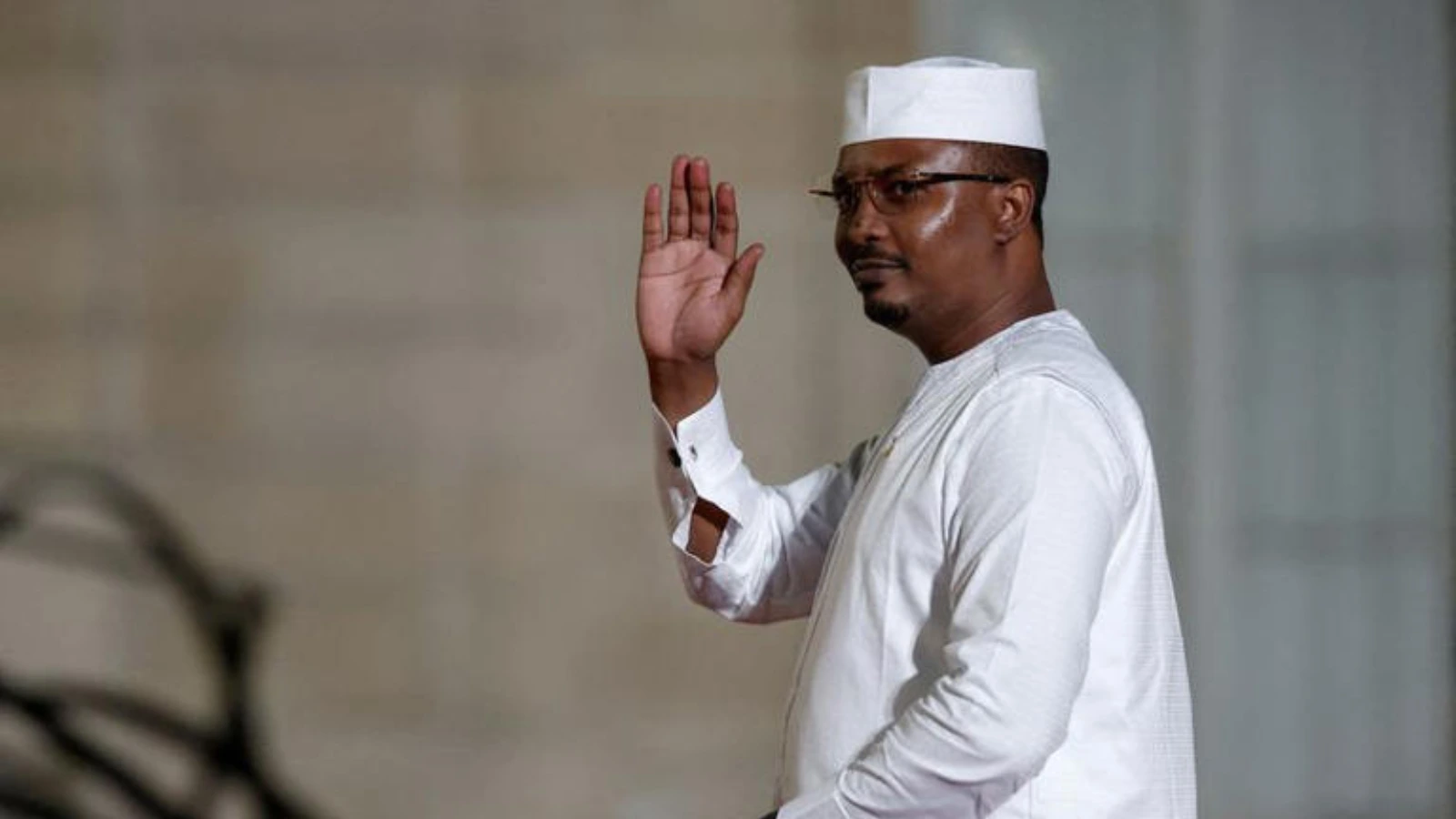
Chad’s President Mahamat Idriss Deby has threatened to exit from the Multinational Joint Task Force, MNJTF, a multinational force consisting of troops from Chad, Nigeria, Niger, and Cameroon, operating in the Lake Chad Region to end insurgent groups.
Citing MNJTF’s failure to carry out its existential purpose effectively, Deby expressed frustration with the lack of cooperation and internal divisions among the MNJTF member countries to combat insurgent groups.
The Central African president disclosed this on Sunday during his visit to the Lake Chad region, stating that the coalition has not achieved the “unified action” against insurgents.
The lack of joint efforts against the common enemy is unfortunately always observed on the ground, Deby stated, adding, This force – created with the aim of pooling efforts and intelligence – seems to be in a slump.
While the MNJTF had recorded some victory in neutralising about 70 terrorists in early July, it had also incurred losses following the attack in late October suspected to be Boko Haram, which left about 40 Chadian soldiers dead.
The terrorist group Boko Haram, which originated from Northeast Nigeria, had spread westward into Chad due to counterterrorism failure and lack of political will by the Nigerian government.
Nonetheless, with Chad’s military capacity on the table to exit the Lake Chad region, the future of joint security operations against terrorist groups, including Boko Haram and Islamic State affiliates, remains a complicated regional effort.
As of press time, no official responses have yet been issued by Nigeria, Niger, or Cameroon regarding Chad’s threat to withdraw.
Meanwhile, in late August, Nigerian President and ECOWAS head Bola Tinubu came to agreeable security terms with Niger to curb the illegal spread of small arms and light weapons in the region, aiming to de-escalate the unapproved military intervention that nearly led to a regional conflict after Niger’s military took over from the “democratically-elect” President Mohamed Bazoum.
Read Also: ECOWAS Appoints President Faye To Mediate With Mali, Niger and Burkina Faso Leaders
Mali Gains 35% Stake in Country’s Second Lithium Project
About The Author



Related Articles
French Troops in Abidjan While Russian Tanks Roll Through Sahel, X User Sparks Fresh Debate on Foreign Influence in West Africa
A social media post by X user De Black Star (@niq_black) has...

Niger Settles $7.6m Debt With UK Aviation Firm to Save $35m New York Mansion From Seizure
The government of Niger has settled a long-running dispute with Menzies Aviation,...
Ghana Reaffirms Withdrawal of Recognition of Polisario, Backs Morocco’s Autonomy Plan
Ghana has reaffirmed its decision to withdraw recognition of the Polisario Front’s...

China Tightens Travel Restrictions for Citizens Over Tech and Security Concerns
China has tightened travel restrictions for its citizens under new exit-and-entry rules...
Leave a comment