





Burkina Faso Adopts Law Defining Status of Traditional and Customary Chiefs
 West Africa WeeklyJanuary 19, 20261 Mins read441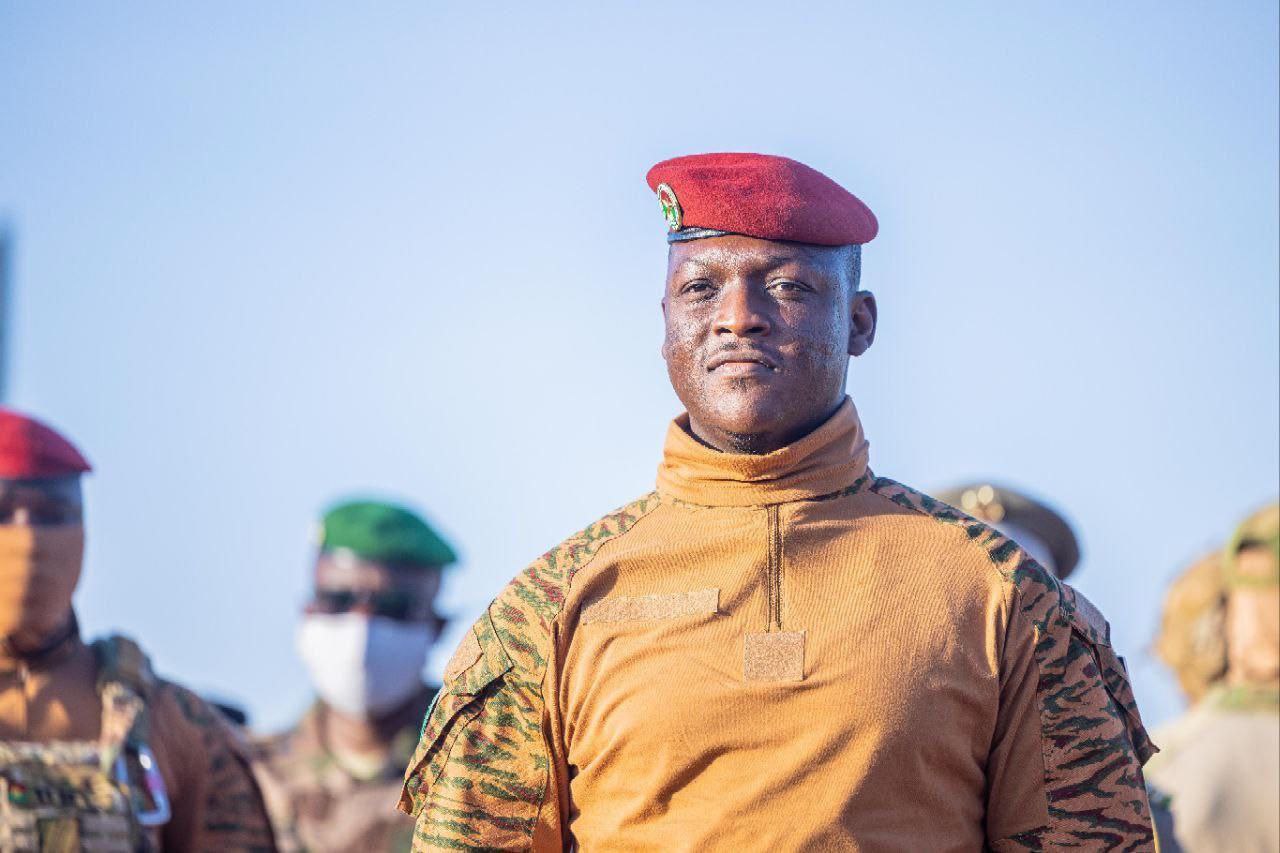
Burkina Faso’s Transitional Legislative Assembly has adopted a new law establishing the legal status of traditional and customary chieftaincy, a move aimed at strengthening social cohesion and clarifying the role of traditional authorities within the state.
The legislation formally recognises various categories of traditional leaders, including kings, emirs, canton and village chiefs, land chiefs, and religious or ritual leaders. Authorities say the recognition is intended to reflect the historical and cultural realities of communities across the country.
Under the new law, traditional leaders are expected to play a defined role in promoting social peace, mediating local conflicts, preserving cultural values, and supporting community development initiatives. The government views its involvement as complementary to state institutions, particularly at the regional level.
READ MORE: Niger Receives Credentials of Five Newly Appointed Ambassadors
The law also sets out key principles governing the conduct of traditional authorities. It requires strict political neutrality, barring chiefs from involvement in partisan political activities. In addition, it puts an end to the practice of self-proclaimed chieftaincies by introducing more explicit rules for recognition and legitimacy.
A national register of traditional chiefs will be established to document recognised authorities formally, a step officials say will improve transparency and prevent disputes over leadership and succession.
The adoption of the law fills a long-standing legal gap regarding the status of customary and traditional leadership in Burkina Faso. Authorities believe it will help reinforce national unity by clearly defining responsibilities and strengthening collaboration between the state and conventional structures.
About The Author


Related Articles
MultiChoice Pumps GH¢200 Million Into Ghana’s Creative Industry
MultiChoice Ghana has invested more than GH¢200 million into the country’s creative...
FIFA Confirms DR Congo Playoff Spot, Ending Nigeria’s World Cup Dream
Nigeria’s hopes of qualifying for the 2026 FIFA World Cup have come...

Ghanaians to Travel to St Kitts and Nevis Without Visa
Ghanaian citizens will soon be able to travel to the Caribbean nation...
Ghana Records Sharp Drop in Inflation, Lowest Since 2021
Ghana’s inflation rate dropped to 3.3 percent in February 2026, marking the...
Leave a comment