




Arthur Eze Loses Senegal Offshore Oil Block as Government Reclaims Licence
 West Africa WeeklyJanuary 28, 20262 Mins read386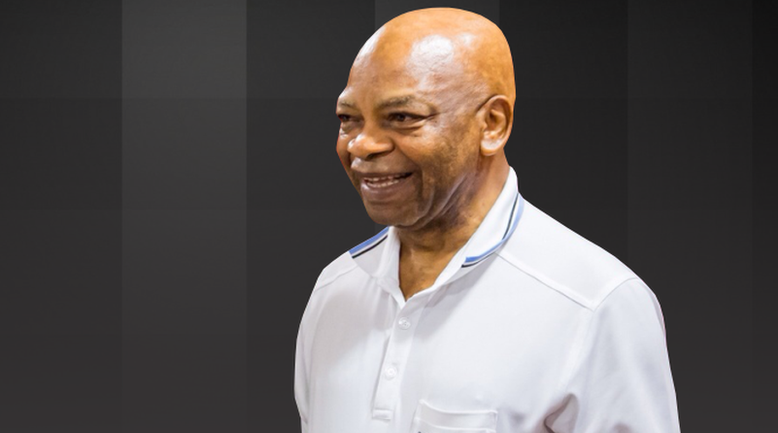
Senegal has revoked an offshore oil exploration licence held by a company linked to Nigerian billionaire Arthur Eze, marking a decisive move by the West African country to tighten control over its natural resources.
The licence, covering an offshore block awarded several years ago, was withdrawn after Senegalese authorities determined that the company failed to meet key obligations related to exploration and development. Officials cited prolonged inactivity and unmet contractual commitments as central reasons for the decision.
The move aligns with Senegal’s broader effort to review legacy oil and gas contracts as it positions itself as a serious emerging energy producer. Since significant offshore discoveries transformed the country’s energy outlook, the government has signalled that speculative licences and dormant concessions will no longer be tolerated.
Arthur Eze, a prominent Nigerian oil magnate, has long operated across multiple African energy markets. His company’s loss of the Senegal licence highlights a changing regulatory environment in which political influence and reputation are no longer sufficient to secure long-term access to strategic resources.
Senegalese authorities have stressed that the revocation is not targeted at any nationality but reflects a policy shift focused on accountability, performance, and national interest. The government says future licences will prioritise firms with the financial capacity and technical readiness to move projects forward within clear timelines.
The decision also sends a broader message across Africa’s extractive sector. As governments face pressure to maximise revenue, ensure transparency, and deliver tangible benefits to citizens, tolerance for idle licences is shrinking.
For investors, Senegal’s action underscores both opportunity and risk. While the country remains open to foreign capital, access to its oil and gas sector is now clearly conditional on delivery, not promises.
The revocation closes a chapter in Senegal’s offshore licensing history and reinforces a growing continental trend where African states are asserting firmer control over their resources.
Senegal has revoked an offshore oil exploration licence held by a company linked to Nigerian billionaire Arthur Eze, marking a decisive move by the West African country to tighten control over its natural resources.
The licence, covering an offshore block awarded several years ago, was withdrawn after Senegalese authorities determined that the company failed to meet key obligations related to exploration and development. Officials cited prolonged inactivity and unmet contractual commitments as central reasons for the decision.
The move aligns with Senegal’s broader effort to review legacy oil and gas contracts as it positions itself as a serious emerging energy producer. Since significant offshore discoveries transformed the country’s energy outlook, the government has signalled that speculative licences and dormant concessions will no longer be tolerated.
Arthur Eze, a prominent Nigerian oil magnate, has long operated across multiple African energy markets. His company’s loss of the Senegal licence highlights a changing regulatory environment in which political influence and reputation are no longer sufficient to secure long-term access to strategic resources.
Senegalese authorities have stressed that the revocation is not targeted at any nationality but reflects a policy shift focused on accountability, performance, and national interest. The government says future licences will prioritise firms with the financial capacity and technical readiness to move projects forward within clear timelines.
The decision also sends a broader message across Africa’s extractive sector. As governments face pressure to maximise revenue, ensure transparency, and deliver tangible benefits to citizens, tolerance for idle licences is shrinking.
For investors, Senegal’s action underscores both opportunity and risk. While the country remains open to foreign capital, access to its oil and gas sector is now clearly conditional on delivery, not promises.
The revocation closes a chapter in Senegal’s offshore licensing history and reinforces a growing continental trend where African states are asserting firmer control over their resources.
About The Author



Related Articles

Ghana, Nigeria and South Korea Deepen Energy and Agricultural Cooperation
A growing partnership between Ghana, Nigeria and South Korea is highlighting the...

Ivory Coast Considers Reforming Cocoa Marketing System as Global Supply Increases
The government of Ivory Coast is considering major reforms to its cocoa...

FIFA Considers Replacement Teams Following Iran World Cup Uncertainty
Global football governing body FIFA is reviewing contingency plans for the upcoming...

Nigeria Faces Risk of Worsening Electricity Shortages as Gas Supply Declines
Nigeria may face more severe electricity shortages in the coming weeks as...
Leave a comment