






ABU Student Remanded in Prison Over Alleged Forged Letter Linking Tinubu to US Drug Case After Two Weeks in DSS Custody
 West Africa WeeklyOctober 14, 20262 Mins read15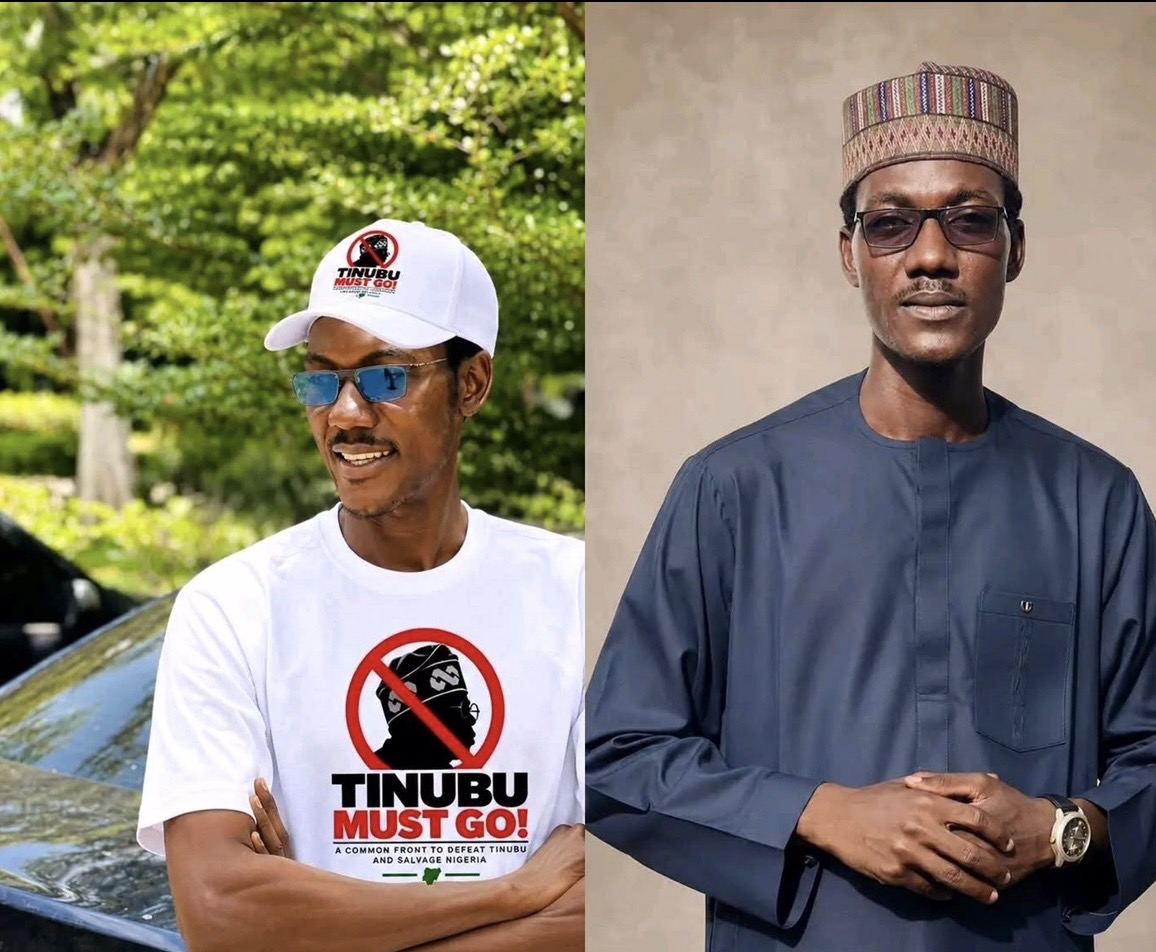
Mubarak Abdullahi, a Criminology student in the Department of Sociology at Ahmadu Bello University, Zaria, has been remanded in prison custody after being arraigned before a Magistrate Court in Kabala Doki, Kaduna State, following his arrest on September 26, 2026.
Abdullahi was arrested by university authorities and handed over to the Department of State Services. Initial reports suggested he was picked up for wearing a T-shirt bearing the inscription “Tinubu Must Go.” However, the DSS subsequently arraigned him on charges connected to a forged letter purportedly written by President Bola Tinubu to United Nations Secretary-General António Guterres, seeking diplomatic intervention over a past drug-related case in Chicago.
The letter, dated September 19, 2026, was titled “Request for Goodwill and Diplomatic Engagement Regarding My Past Drug-Related Case in Chicago.” It appealed to Guterres to engage the United States government, particularly President Donald Trump, to consider intervening in the matter and facilitating the cancellation or closure of the case. A copy of the document obtained by SaharaReporters was described as AI-generated, and the letterhead and signature were alleged to be forged.
Abdullahi, who hails from Kontagora Local Government Area of Niger State, was arraigned on Monday, October 12, 2026, and remanded in custody pending further proceedings. The specific charges against him had not been publicly disclosed. The process of securing his bail is now underway.
The Law Graduates Association of Nigeria has condemned the reported arrest and continued detention of Abdullahi, stating it was particularly concerned if the arrests were based solely on the peaceful expression of a political opinion. In a statement signed by its President, Kayode Bello, and Public Relations Officer, Ojo Clement, LAWGAN said the reported arrests raised constitutional questions regarding freedom of expression and personal liberty.
READ MORE: Police Deploy Tear Gas to Block Civilians From Searching Bush for Terrorists and Kidnappers
The association cited Section 39(1) of the 1999 Constitution, which guarantees every person the right to freedom of expression, including the freedom to hold opinions and to receive and impart ideas and information without interference. It also cited Section 35(1), which guarantees the right to personal liberty, and Section 42(1), which prohibits discrimination on grounds including political opinion. “If there is a specific criminal allegation against any of the detainees, the authorities should disclose the lawful basis for the detention and ensure that the detainees are treated strictly in accordance with the Constitution and other applicable laws,” LAWGAN said. It stressed that criticism of a sitting government or the peaceful expression of a political opinion should not, without more, be treated as a criminal offence. The association called for the immediate release of Abdullahi if there was no lawful basis for his continued detention.
The arrest of Abdullahi follows the detention and prosecution of five men in Maiduguri, Borno State, over T-shirts bearing the same “Tinubu Must Go” inscription. Those five men were arrested on September 25, 2026, near the West-end roundabout in Maiduguri, charged with conspiracy to print the T-shirts with the intention of causing a breach of public peace, and remanded in custody. They were subsequently granted bail on October 7, 2026.
Human rights lawyer Deji Adeyanju has cautioned against any attempt to arrest Nigerians donning “Tinubu Must Go” shirts, noting that wearing such does not constitute a crime. “Wearing a shirt is not a crime and can never be a crime except we are now in a military state,” he said. Former Vice President Atiku Abubakar has also demanded the immediate release of Nigerians arrested over the T-shirts, questioning how wearing a shirt became an offence in a democracy.
The arrest and detention of Abdullahi have renewed concerns about the shrinking space for political dissent in Nigeria ahead of the 2027 general elections, with critics pointing to a pattern of security agencies targeting young Nigerians for expressing opposition to the government.
About The Author


Related Articles
Akpabio Wants Suicide Survivors Jailed While Tinubu Government Rehabilitates Bandits and Kidnappers
Senate President Godswill Akpabio has insisted that Nigerians who survive suicide attempts...
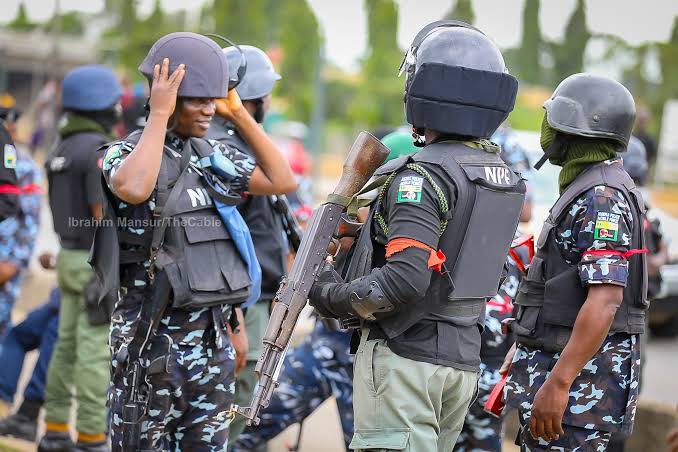
Police Deploy Tear Gas to Block Civilians From Searching Bush for Terrorists and Kidnappers
The Nigerian Police Force has deployed tear gas to stop civilians from...

Kenya, Uganda and Tanzania Plan Joint Visa for 2027 AFCON to Ease Fan Travel Across Borders
Kenya, Uganda and Tanzania are developing a joint visa arrangement to facilitate...


Rwanda Signs 10-Year Deal to Bring F1 Back to Africa for First Time Since 1993
Rwanda has signed a 10-year agreement with Formula 1 to host the...
Leave a comment