



Guinea-Bissau’s Ousted President Embalo to Return From Exile and Run in December Election
 West Africa WeeklySeptember 30, 20262 Mins read14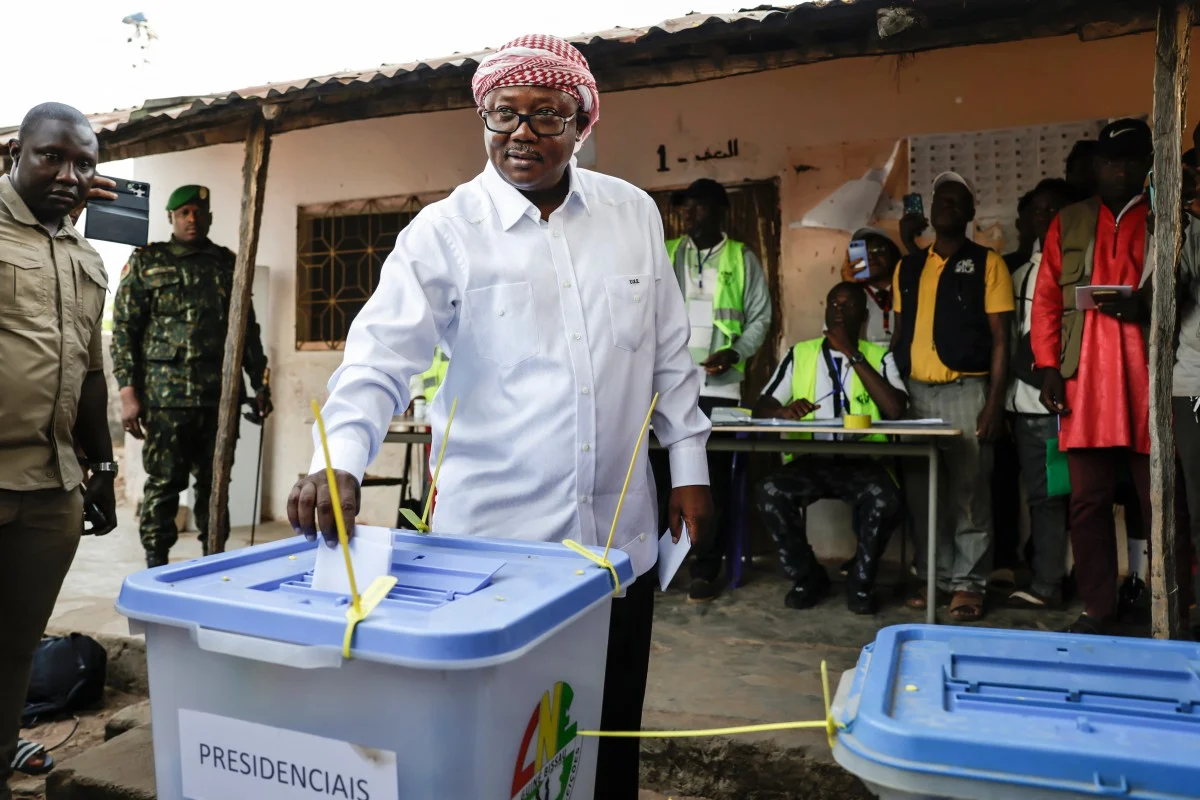
Guinea-Bissau’s exiled former president, Umaro Sissoco Embalo, has announced that he will return to the country and run for president in an election scheduled for December 6, 2026. Embalo was ousted in a military coup in November 2025, just days after a presidential vote and one day before provisional results were to be announced.
A source familiar with the matter told Reuters that Embalo plans to return on October 4 to begin his campaign. The military-led government has assured the former president that he is welcome to return, though a government spokesperson did not respond to a request for comment. Embalo has been outside the country since the coup, fleeing first to Senegal and then to the Republic of Congo.
The army seized power in what observers have described as a coup that halted an election process Embalo appeared to be losing. The junta established under General Horta N’Tam, a close associate of Embalo, has set December 6 as the date for presidential and legislative elections meant to restore civilian rule. Many observers have suspected Embalo of orchestrating the November 26 coup to stop the election process. N’Tam, who also serves as transitional president, is barred from running in the election under the country’s transitional charter.
Political analyst Malam Cisse told AFP that nothing legally stands in the way of Embalo’s return. He pointed out that Embalo did not sign any document renouncing power and was ousted by a coup d’etat. History professor Bassirou Sadio said that once legal conditions are met, everyone should be able to participate in the political contest while respecting established rules.
READ MORE: Aaron Greenspan Accuses Tinubu of Lying to Court Over 1993 Political Status in FOIA Case
However, a new constitution approved in a referendum in August 2026 could complicate Embalo’s candidacy. The new constitution expands presidential powers and changes electoral rules. It requires presidential candidates to have lived continuously in the country for the preceding five years. It is unclear how that provision might affect Embalo, who has been in exile since the coup.
The political climate in Guinea-Bissau remains tense. The opposition has urged voters to boycott the process, and the country has a long history of military coups and attempted overthrows since gaining independence from Portugal in 1974. Guinea-Bissau is also a known transit hub for cocaine bound for Europe, and its crippling poverty and political chaos have made it a fertile ground for corruption and drug smuggling.
Embalo’s return and candidacy set the stage for a highly contested election in a country that has struggled with instability for decades. The December 6 vote is meant to restore civilian rule, but the military government’s refusal to allow its own leader to run, combined with Embalo’s determination to reclaim power, has left the political future of Guinea-Bissau uncertain.
About The Author



Related Articles

Barrick Reaches Deal With Mali Unions to Avert Strike at Loulo-Gounkoto as Government Tightens Grip on Gold
Barrick Mining has signed a new collective bargaining agreement with unions at...

Aaron Greenspan Accuses Tinubu of Lying to Court Over 1993 Political Status in FOIA Case
Aaron Greenspan, who is pursuing a Freedom of Information Act lawsuit against...

Nigeria Grows 2.3 Million Tonnes of Tomatoes and Still Spends $360 Million Importing Paste
Nigeria is Africa’s second-largest tomato producer. The country grows about 2.3 million...


FG Approves Upgrade of Onne, Rivers, Delta, Calabar Ports, Another Promise That May Never See Daylight
The Federal Government has approved the comprehensive modernisation and upgrade of Onne,...
Leave a comment