




ASUU Strike Threatens to Shut Down Federal Universities as Nigerians Accuse Media of Ignoring the Crisis
 West Africa WeeklySeptember 17, 20263 Mins read10
The Academic Staff Union of Universities is on the verge of a nationwide strike, with branches in several states already downing tools, yet many Nigerians say the crisis is not receiving the urgent national attention it deserves. The warning came from ASUU’s National Executive Council after its meeting on September 5, 2026, where it declared that the union may resume its suspended nationwide strike “without any further notice” if the Federal Government fails to address outstanding welfare issues. For students and parents across the country, the threat of another prolonged shutdown is a painful reminder of the 2022 strike that kept public universities closed for eight months.
The strike is not just a threat. It is already happening in several universities. On September 15, 2026, ASUU branches at three Lagos State-owned universities, Lagos State University (LASU), Lagos State University of Education (LASUED), and Lagos State University of Science and Technology (LASUSTECH), declared a total and indefinite strike over the state government’s failure to implement the 2025 FG/ASUU agreement. In Ondo State, ASUU at Adekunle Ajasin University (AAUA) has been on strike since July 10, 2026. In Benue State, a strike at Joseph Sarwuan Tarka University was only suspended on September 13, 2026, after four weeks of disruption. Across the country, lecturers are angry, students are anxious, and the Federal Government appears to be doing nothing.
The roots of the crisis lie in the Federal Government’s failure to honour the agreements it signed with ASUU. The 2025 FG/ASUU agreement included provisions on welfare, funding for public universities, and the implementation of the Needs Assessment report. None of these have been fully implemented. The government has also failed to release the arrears of earned academic allowances owed to lecturers, and the funding for research and infrastructure in public universities remains inadequate. ASUU has repeatedly warned that the government’s refusal to address these issues is a recipe for another national shutdown, and its patience has run out.
But the silence from the media is deafening. While the strike in Lagos universities is being reported by some outlets, the broader crisis facing public universities across the country is not receiving the sustained coverage it deserves. There is no wall-to-wall reportage. There is no national outrage. There is no daily update on the negotiations between ASUU and the Federal Government. And there is no pressure on President Bola Tinubu to intervene. The media has found time to cover the President’s trips to Europe, the latest political defections, and the drama in the National Assembly. But the future of millions of Nigerian students is not a priority.
This is not the first time the media has failed to give the ASUU crisis the attention it demands. In 2022, during the eight-month strike, coverage was initially intense before it faded as the months dragged on and Nigerians grew weary. The same pattern is repeating itself. The strike is reported as a news item, not as a national emergency. The human cost is not being told. The stories of students who cannot graduate, who are losing years of their lives, who are watching their dreams slip away, are not being told. The parents who are struggling to pay fees for universities that are not teaching their children are not being heard. The lecturers who have not been paid for months are not being interviewed.
The Federal Government has offered nothing but silence. President Tinubu, who has been in office since May 2023, has not made a single significant intervention in the education sector. He promised free education and student loans. He has delivered neither. He promised to end the cycle of strikes. He has failed. And now, as ASUU prepares to shut down the universities again, the President is in Europe on holiday, his ministers are engaged in photo opportunities, and the nation’s students are left to wait.
Nigerians deserve better. They deserve a government that takes education seriously. They deserve a media that covers the crisis with the urgency it demands. And they deserve a future where their children can go to university without fear of another strike. Until then, the ASUU crisis will continue to fester, and the silence will continue to grow.
About The Author


Related Articles
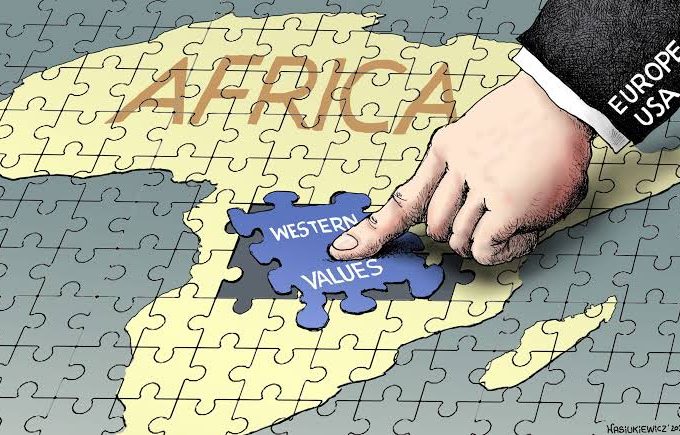
French Troops in Abidjan While Russian Tanks Roll Through Sahel, X User Sparks Fresh Debate on Foreign Influence in West Africa
A social media post by X user De Black Star (@niq_black) has...

Niger Settles $7.6m Debt With UK Aviation Firm to Save $35m New York Mansion From Seizure
The government of Niger has settled a long-running dispute with Menzies Aviation,...
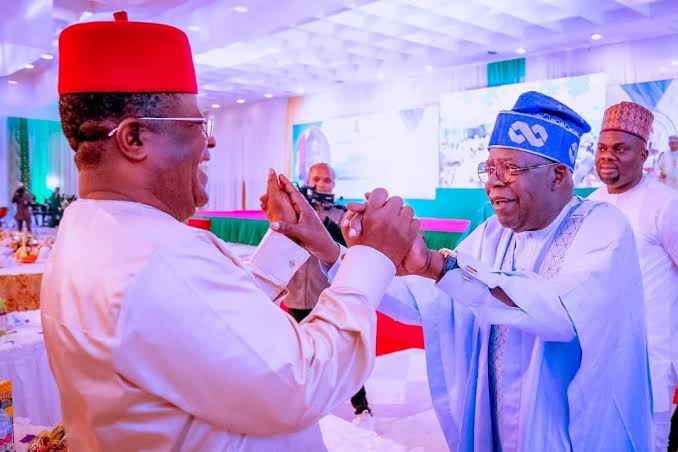
NANS Hails Tinubu and Umahi on Road Tour, But the Pictures Tell a Different Story
The National Association of Nigerian Students has begun a nationwide tour of...
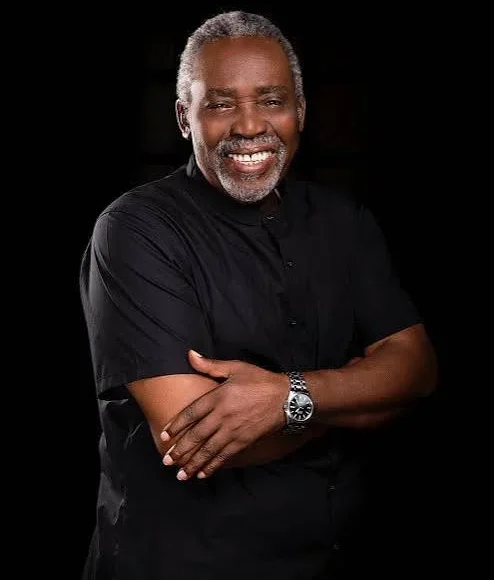

Veteran Actor Olu Jacobs Dies at 84, Nollywood Mourns the Lion of Lufodo
Veteran Nigerian actor and film executive Oludotun Baiyewu Jacobs, popularly known as...
Leave a comment