





How Dangote Sells Fuel and Cement Cheaper Abroad While Nigerians Pay More
 West Africa WeeklyAugust 20, 20263 Mins read884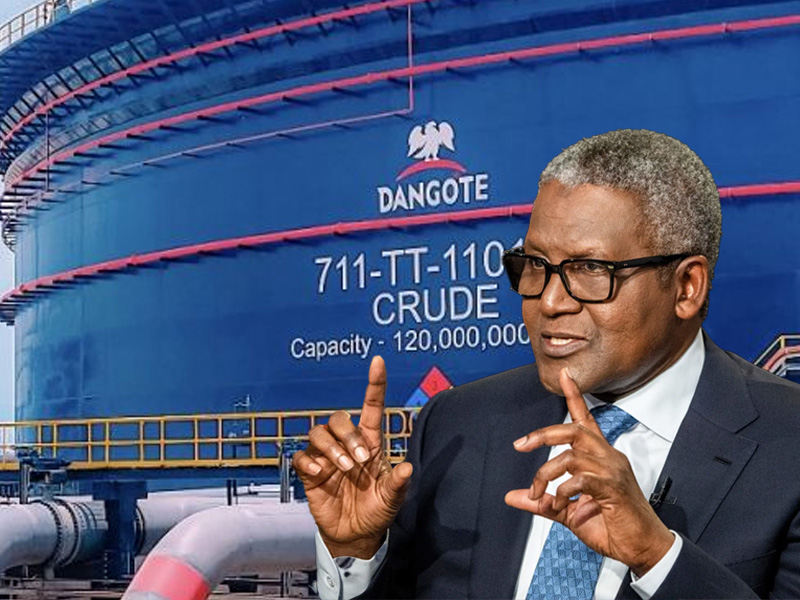
Aliko Dangote has built a business empire that dominates Nigeria’s fuel and cement markets. But a growing body of evidence suggests that Nigerians are paying more for products manufactured in their own country than buyers in neighbouring nations.
Nigeria exported N105.5 billion worth of petrol to Togo in the first quarter of 2026 alone, according to data from the International Trade Centre. Togo also imported N278.36 billion worth of gas oil and N273.18 billion worth of kerosene-type jet fuel from Nigeria during the same period. The controversy is that much of this fuel may be coming back into Nigeria through Lomé, Togo’s maritime hub.
According to Matthew Tracey-Cook, an analyst at S&P Global Commodity Insights, between March and May 2026, more than 70 to 80 per cent of fuel imported into Nigeria by sea originated from Dangote before being routed through Lomé and re-imported into the country. He explained that despite growing direct coastal deliveries from the refinery, the Lomé offshore hub remains a critical component of West Africa’s fuel logistics chain. The facility allows large tankers to discharge cargoes offshore before transferring products to smaller vessels capable of accessing ports across the region.
The financial incentive for this roundabout trade is clear. In early June 2026, imported fuel cost 1,117 naira per litre, compared with 1,250 naira at the refinery, a difference of 133 naira. The Depot and Petroleum Products Marketers Association of Nigeria alleged that Dangote sells fuel to international traders at N65 cheaper per litre than the price offered to local marketers. One fuel importer stated that Dangote sells to international traders at N65 cheaper than what he sells to them.
Dangote Refinery has repeatedly and strongly denied these allegations. The company described the claims as “unsubstantiated” and a “tissue of lies”, stating there is no commercial basis for such transactions. The refinery argued that the estimated logistics cost of moving petroleum products from its facility to Lomé and back into Nigeria runs between $82 and $90 per metric ton, which would eliminate any profit margin. The company also said its sales contracts expressly prohibit resale or re-importation into Nigeria and that it tracks every cargo to ensure compliance.
However, the refinery’s denial does not fully address the core issue. Dangote has publicly cited higher port and regulatory costs in Nigeria as reasons why marketers might prefer offshore storage depots like Lomé to source refined products. In late 2024, Dangote himself criticised the emergence of “blending centres for lower-quality fuel” at hubs such as Malta and Lomé. As long as the price gap between domestic and export sales persists, the incentive for this roundabout trade remains.
The same pattern exists in cement. In January 2025, during a live television interview, Dangote openly explained why his cement is cheaper outside Nigeria than at home. He said the price difference is driven by taxes. When cement is sold locally, the company must pay company income tax, education tax, health-related levies, value-added tax, and withholding tax. On exports, Dangote is not paying 30 per cent income tax, 7.5 per cent VAT, 10 per cent withholding tax, or other levies such as education and health taxes. Dangote stated:
When you look at my invoice, the cement I export is cheaper than the one I sell domestically because of how exports work. He said the removal of these costs enables Dangote Cement to compete more effectively in international markets against producers from countries such as Turkey, Russia and China.
The Federal Competition and Consumer Protection Commission is currently investigating cement price manipulation by Dangote and other major producers. A 50kg bag of cement, which sold for between N9,300 and N9,700 in January, reportedly rose to between N10,500 and N13,000 by mid-year, and reached as high as N15,000 in some areas by July. The commission has expressed concern over the sharp increase in cement prices across Nigeria, noting that the development has had a significant impact on housing and infrastructure development.
Dangote’s monopoly is extensively backed by the government. As an alleged major political sponsor at both federal and state levels, the favouritism the businessman gets is unsurprising. Critics have argued that some of Dangote’s greatest business successes have come in industries where the government bans or limits imports, including sugar and cement. In a lawsuit, which he later withdrew, he asked the Nigerian government to ban competition from foreign oil refineries. The government also granted him a monopoly over the supply of urea fertiliser in Nigeria.
The pattern is clear and consistent. Dangote products are cheaper abroad because exports are exempt from taxes that domestic consumers must bear. Fuel marketers allege the refinery sells cheaper to foreign buyers, creating an arbitrage opportunity that makes re-importation profitable. Cement is cheaper in neighbouring countries than in the markets where it is produced. The government grants favourable policies, bans competition, and allows a monopoly to flourish while ordinary Nigerians pay the price. As DAPPMAN put it: “The Dangote Refinery is a valuable contributor, but it is not a messiah.” The future of Nigeria’s economy lies not in monopolised narratives but in competition, transparency, and cooperation.
About The Author



Related Articles
Senegal’s Power Cuts Force Government to Push Gas as the Long-Term Fix
Senegal’s energy minister says the power cuts that hit the country hard...
Ethiopia and Eritrea Cut Diplomatic Ties as Tigray Conflict Escalates
Ethiopia and Eritrea have severed diplomatic relations as renewed fighting in northern...
Declassified intelligence records reveal how Western networks leveraged NADECO activists to engineer Nigeria’s modern underdevelopment
The narrative surrounding Nigeria’s Fourth Republic is undergoing a profound historical revision...

Barrick Reaches Deal With Mali Unions to Avert Strike at Loulo-Gounkoto as Government Tightens Grip on Gold
Barrick Mining has signed a new collective bargaining agreement with unions at...
Leave a comment