






Ghana Cocoa Farmers Push Back Against New Law That Could Jail Them for Using Their Own Land
 West Africa WeeklyAugust 14, 20263 Mins read598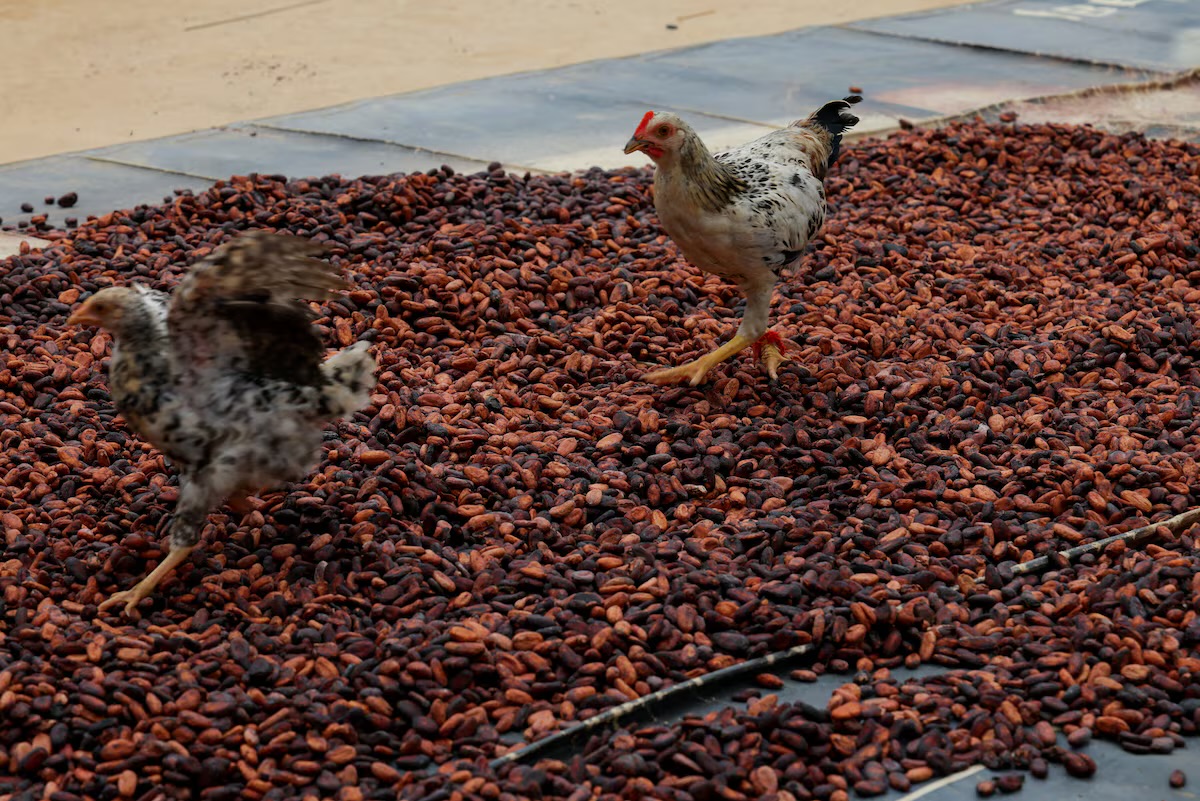
Ghanaian cocoa farmers are pushing back against a newly passed law that restricts how they can use their own land, urging President John Dramani Mahama to withhold his assent until they have been properly consulted. The Ghana Cocoa Board Bill, 2026, which was approved by parliament in late July, gives cocoa farms “protected” status and bars anyone, including farmers, from converting cocoa farms for other uses without approval from the market regulator COCOBOD. Violators face fines and possible prison terms of up to 20 years.
The bill is aimed at curbing the conversion of cocoa land for mining and other crops, a trend that is contributing to Ghana’s declining cocoa output, with portions of cocoa farms nationwide cleared for rubber plantations and mining activities. Ghana and neighbouring Ivory Coast produce half of the world’s cocoa.
But farmers say the law goes too far. The Ghana Cooperative Cocoa Farmers and Marketing Association Limited, an umbrella body for cocoa farmer cooperatives, said it supports measures to protect farms but wants several provisions reviewed and better explained to growers before the bill becomes law. Its administrator, Moses Djan Asiedu, said farmers were especially concerned about land that had become commercially unproductive, and whether replacing cocoa with other crops in such places could expose them to prosecution. “Nobody wakes up and cuts down cocoa trees just like that. Farmers invest their lifetime in cocoa. But when a farm is no longer yielding and a farmer decides to cultivate another crop to sustain the family, why should that become a criminal offence?” Asiedu questioned. He added: “We agree the tree must be protected because that is the source of our livelihood, but we have critical situations where a farmer may have to cut down a diseased farm and plant another crop that will bring him or her income.”
The association’s concerns centre on provisions that grant protected status to cocoa farms and restrict their conversion to other uses without approval from COCOBOD. Asiedu said inadequate understanding of the legislation among farmers could heighten uncertainty, particularly in communities where cocoa production had become difficult because of declining yields and other farm-level challenges. He said information reaching farmers through social media and radio discussions had been fragmented, contributing to concerns about the criminal implications of removing cocoa trees. The association had undertaken engagements with farmers in Enchi, Dadieso, Asawinso and Sefwi in the Western North Region, where farmers raised concerns about how the legislation could affect their livelihoods and land-use decisions.
The bill also prohibits mining, sand winning and other extractive or environmentally harmful activities on protected cocoa farms or within 500 metres of such farms. Persons engaged in illegal extractive activities affecting protected cocoa farms or nearby water bodies could face prison terms of between 10 and 20 years, fines for each affected cocoa tree, or both. The courts may also order the restoration of damaged farms or compensation for affected owners.
The proposed legislation comes against the backdrop of concerns over the loss of cocoa-growing areas to illegal mining and other competing land uses, with implications for the sustainability of cocoa production and farmer livelihoods. The Government has said the Bill is intended to curb the increasing loss of cocoa farms to illegal mining and other competing land uses and safeguard the long-term sustainability of Ghana’s cocoa sector.
Member of Parliament for Akim Swedru, Kennedy Osei Nyarko, has also criticised provisions in the bill, arguing that they unfairly strip cocoa farmers of the right to determine how their land is used. According to him, the bill prohibits cocoa farmers from converting their farmlands to any purpose other than cocoa cultivation or rehabilitation, with offenders liable to prosecution regardless of whether the land is privately owned, family land or stool land. In a Facebook post, Osei Nyarko described the provision as an infringement on the rights of landowners. “A cocoa farmer or an owner of a cocoa farmland must have the right to decide on what to use the land for at any given time,” he added.
COCOBOD has rejected the criticism. Jerome Sam, head of public relations, told local media the minority’s objections were politically motivated and that the bill was drafted to help farmers. Chief Executive Officer of COCOBOD, Dr Randy Abbey, dismissed suggestions that the bill restricts farmers, insisting the legislation is designed to protect Ghana’s cocoa industry and strengthen financial discipline. He clarified that the law does not prevent farmers from cultivating food crops such as plantain alongside cocoa trees. He explained that clauses 80 and 81 classify cocoa farms as protected areas, requiring authorisation before cocoa trees can be destroyed, uprooted, or felled except for approved rehabilitation. “Every single week, I receive petitions from farmers complaining that their cocoa farms are being destroyed for one activity or the other. If it is not mining, it’s lumbering. If it’s not lumbering, it’s real estate. This is the same industry that has held this economy from Gold Coast to Ghana for over a century. We obviously needed to do something,” Dr Abbey said.
Mahama has not yet signed the bill, nor has he given a timeline of when he might do so. The farmers’ concerns echo objections raised by minority lawmakers.
About The Author



Related Articles

Ghana Traders Question New Defence Deal with Burkina Faso Over Security Concerns
The Ghana National Tomatoes Traders and Transporters Association has expressed skepticism about...
Abia to Host South-East’s First National Park as Otti Approves Establishment
Abia State Governor, Alex Otti, has given his full backing to the...

Zimbabwean Businessman Lands US$4.6 Billion Construction, Mining Deal in Burkina Faso
Zimbabwean conglomerate Prevail Group, owned by businessman and Presidential adviser Dr Paul...

Nigeria’s Hungry Population More Than Doubles to 34.7 Million Under Tinubu’s Watch
The number of hungry people in Nigeria has risen from 18.6 million...
Leave a comment