




Peter Obi Rejects $123m Anambra Debt Claim, Says He Left Over $150m in Funds
 West Africa WeeklySeptember 25, 20263 Mins read16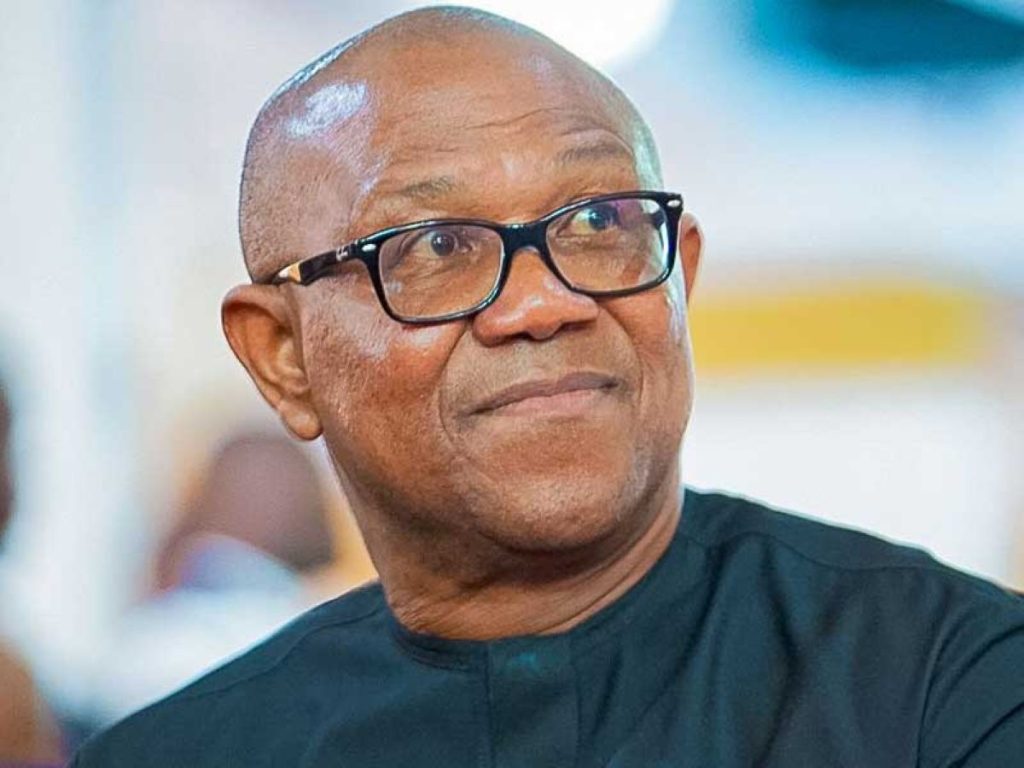
Peter Obi has rejected claims that he left Anambra State with $123 million in debt, insisting he handed over a financially strong government with more than $150 million in funds when he left office in March 2014.
In a statement posted on his X account on Thursday, Obi said he had remained silent over the past few days because he was grieving the loss of his elder brother and friend, Chief Okey Ezeibe. He said the time had come to address matters that had occupied public discussion.
The controversy began after Anambra State Commissioner for Finance, Izuchukwu Okafor, claimed during a podcast that Governor Chukwuma Soludo’s administration was still repaying loans and other debts incurred by Obi and other past governors. The state government later said records from the Debt Management Office showed that eight external loans obtained during Obi’s tenure had an original value of about $123.77 million, with $92.35 million still outstanding as of June 30, 2026, valued at approximately N127.4 billion. The government said the loans covered projects in malaria control, healthcare, education, erosion management, agriculture and community development.
Obi challenged the figures, saying the Anambra State Government had combined three distinct categories: the total amount approved for the multiyear development program, the amount Anambra State actually drew during his tenure, and the funding balance outstanding when he handed over on March 17, 2014. He said describing the resulting $123.77 million as “loans left by Peter Obi” was an incorrect application of public-sector accounting. He explained that the eight facilities identified were primarily World Bank and IFAD development programs negotiated by the Federal Government, with participating states receiving access through subsidiary arrangements. They were not conventional commercial loans that he personally secured, he said, and repayment is spread over 25 to 30 years.
Obi also cited DMO figures to buttress his point. He said Anambra’s total external debt was approximately $18 million when he began his tenure in March 2006, about $30 million in March 2014 when he left office, and approximately $45.15 million as of December 31, 2014, nine months after his departure. He challenged the state government to clarify how a state whose recorded external debt was about $30 million in March 2014 could supposedly have inherited $123.77 million from him.
He further stated that as Governor of Anambra State, he did not approach any financial institution to borrow funds or issue a bond on behalf of the state. He cited the then Director-General of the Debt Management Office, Abraham Nwankwo, who at his farewell ceremony declared that during his 10 years in office, Obi was the only state governor who had not approached him for a loan facility. Obi said that when he left office, the Anambra State Government owed no unpaid salaries, gratuities or pensions, and did not owe any contractor or supplier who had completed work that the government had verified and certified.
He also addressed the claim concerning a N2.1 billion ecological fund, explaining that the money was released by the Federal Government about three months before the end of his tenure for the Oko/Umuchiana erosion crisis. He said he refused pressure from officials to spend the money and left it untouched in a First Bank account for his successor because it was dedicated to a specific project. He said the money was not included in the over N75 billion in savings his administration left behind.
Obi said he had no disagreement with Governor Soludo or any governor in Nigeria. He said he was not seeking the office of governor in any state and would not seek that position again, even if the Constitution is amended. He appealed to governors to support whichever presidential candidate they choose while also permitting other presidential candidates to campaign freely in their states. He urged Nigerians to concentrate on the existential challenges confronting the country rather than on needless distractions.
The Anambra State Government has stood by its figures. Commissioner for Information and Value Reformation, Dr Law Mefor, said the current government was repaying hundreds of millions of naira every month to service the debts. He said Obi owed verified salaries, gratuities and pensions to retired teachers and staff of the water corporation, and that the former governor left a state without functioning urban or rural water schemes, with dead public schools and dead public hospitals. He also said Obi lied about the ecological fund account and insisted the account in question was an Internally Generated Revenue Consolidated Revenue Account.
The APC Presidential Campaign Council, through its spokesperson Dele Alake, also weighed in, accusing Obi of misleading Nigerians over the financial record of his administration. Alake said the issue was not whether borrowing was inherently wrong but whether Obi’s claims about the financial position he left behind could be reconciled with available records. He argued that the contrast between Obi’s public image as a fiscally conservative leader and the liabilities the Anambra Government says remained after his tenure was the real question.
The controversy has become a major political flashpoint ahead of the 2027 general elections, with Obi’s opponents seeking to use the debt claims to undermine his reputation as a prudent manager of public funds. Obi has consistently maintained that his record in Anambra speaks for itself, and he has challenged anyone with evidence to the contrary to produce it.
About The Author



Related Articles
Senegal Signs $3.5bn Refinery Deal With Turkey’s Yamata to Process Local Crude, Target West African Fuel Market
Senegal’s state refiner, the Société Africaine de Raffinage (SAR), has signed a...
Tinubu Awards $7bn Ogun Deep Seaport Deal to Chagoury-Linked DP World as Nigerians Question His Priorities
President Bola Tinubu’s administration has awarded two major Ogun State deep seaport...
Niger Introduces Prior Declaration for Large Cash Transports in Anti-Terrorism Push
Niger’s government has announced new rules requiring a prior declaration for the...

Umahi Turns Rehabilitated Niger Bridge Into Tinubu Campaign Billboard, Campaigns for APC Votes as Commuters Count Losses
The First Niger Bridge is set to reopen next week after a...
Leave a comment