





How Lagos’ Dirty Culture Followed Tinubu to Abuja
 West Africa WeeklyAugust 11, 20263 Mins read629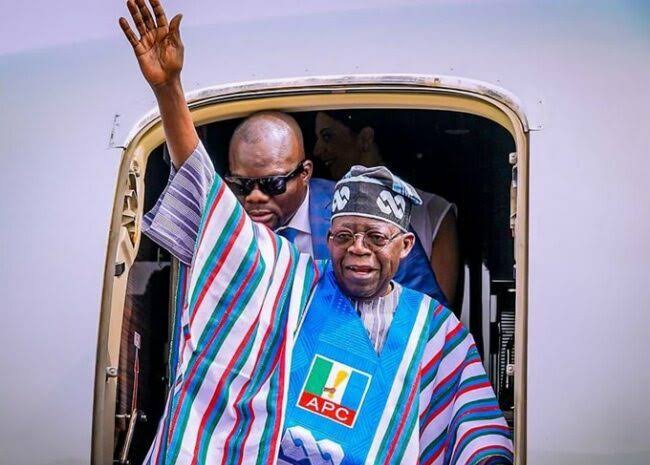
When President Bola Tinubu moved from Lagos to Abuja in 2023, many Nigerians hoped the Federal Capital Territory would remain the orderly, well-planned city it was designed to be. But within months, the signs of decline became impossible to ignore. Open sewages, stagnant gutters, heaps of refuse and cracked roads have become defining features of the nation’s capital, leading many to conclude that the dirty culture of Lagos has followed Tinubu to Abuja.
The evidence is everywhere. The Senate was recently engulfed in a heated debate over what senators described as a worsening waste management and sanitation crisis in the FCT. Senator Ireti Kingibe warned that uncollected refuse, unpaid sanitation workers and blocked sewage systems have created serious public health risks for residents. “Sewage systems are blocked, waste is piling up across residential areas and public spaces, and residents are now at risk of serious health challenges such as cholera and typhoid,” she told her colleagues. “The failure of government to address this crisis is putting lives in jeopardy.”
Senator Kingibe also highlighted that waste management workers had not been paid for over nine months, and contractors responsible for refuse collection were owed outstanding debts. She criticised the authorities for awarding new waste management contracts without first settling existing arrears. “You cannot abandon workers and contractors who have not been paid for months and then award fresh contracts as if nothing happened. This only compounds the crisis,” she argued.
The situation across Abuja is dire. From Jabi to Utako, Wuse, Garki, Kubwa, Nyanya, Karu and parts of the Central Business District, refuse-choked drains and waste-littered corridors have become defining features of daily life. Roads once designed for mobility now double as informal dumping grounds, while drainage systems meant to protect the city from flooding have become traps for plastic waste and polluted water. In Jabi, plastic bottles and household waste accumulate unchecked, narrowing water channels. In Utako, a highbrow area, heaps of refuse often reappear days after evacuation. Residents openly describe these locations as “land dustbins,” an admission that environmental degradation has become normalised.
In October 2025, THISDAY reported that refuse had taken over many estates and residential neighbourhoods in Abuja, with villagers blocking contractors from accessing dumpsites. One resident of Prince and Princess Estate in Apo district, which houses about 10,000 people including a serving minister in the Tinubu administration, lamented: “It’s been over three weeks and refuse has not been collected in this estate; everywhere is stinking. There is a risk of outbreak of diseases.”
READ MORE: Chad to Grant Visa-Free Entry to All African Citizens From January 1, 2027
Even President Tinubu’s own aide, Temitope Ajayi, the Senior Special Assistant to the President on Media and Publicity, raised the alarm in November 2025, warning FCT Minister Nyesom Wike that waste management in Abuja had broken down. “Something has certainly broken with waste management and collection in Abuja that requires urgent fixing,” Ajayi said. “Refuse is taking over the city.”
This is the same city that was once a model of order and cleanliness. Abuja was conceived as a model capital: orderly, functional and environmentally resilient. But today, that promise is under severe strain and threat, with indiscriminate refuse dumping and weak waste governance combining to produce a slow-burn environmental emergency. FCT Minister Nyesom Wike has acknowledged the problem, publicly apologising to residents and announcing that contracts had been renewed and contractors would resume services. However, upon resumption of work, the refuse collectors met angry villagers who turned their trucks away, demanding better management practices.
The First Lady, Senator Oluremi Tinubu, has praised Wike for transforming Abuja’s City Gate into a recreational and environmental landmark, describing it as “an excellent example of what abandoned public areas can become.” But while the City Gate may look impressive, the rest of Abuja is drowning in refuse. The First Lady has also appealed to state First Ladies to mobilise young people to participate in environmental clubs and sustainability initiatives, but the crisis requires more than volunteerism. It requires the government to pay its workers, honour its contracts and take the crisis seriously.
The pattern is unmistakable. Lagos, under Tinubu’s watch as governor, became notorious for its open gutters, overflowing refuse, and the “agbero” culture of street hawkers and informal waste collection. Now the same problems have followed him to Abuja. The open and stinking gutters, the men and women who urinate and defecate in the open, the hawkers and the heaps of refuse that dot the city are no longer just Lagos problems. They are now Abuja problems. As one observer noted, “one cannot help but be repulsed by the open and stinking gutters, men and women who urinate and defecate in the open, hawkers, and the heap of refuse all over the city.”
Nigerians who remember Abuja’s clean, orderly past are now watching helplessly as the capital transforms into a giant landfill. The Senate has debated the crisis, the President’s own aide has raised the alarm, and residents are crying out for help. But the government’s response has been slow, inadequate and, in many cases, non-existent. The dirty culture of Lagos has indeed followed Tinubu to Abuja. And until the government takes the crisis seriously, the nation’s capital will continue to sink deeper into filth.
About The Author



Related Articles
Gambia’s FGM Ban Under Threat as Imam Abdoulie Fatty and MP Almameh Gibba Push to Make Cutting Girls Legal Again
Two men are leading the charge to overturn The Gambia’s ban on...
Peter Obi Rejects $123m Anambra Debt Claim, Says He Left Over $150m in Funds
Peter Obi has rejected claims that he left Anambra State with $123...
Senegal Signs $3.5bn Refinery Deal With Turkey’s Yamata to Process Local Crude, Target West African Fuel Market
Senegal’s state refiner, the Société Africaine de Raffinage (SAR), has signed a...

Tinubu Awards $7bn Ogun Deep Seaport Deal to Chagoury-Linked DP World as Nigerians Question His Priorities
President Bola Tinubu’s administration has awarded two major Ogun State deep seaport...
Leave a comment