



Tinubu Blames Burkina Faso, Mali, Niger for Nigeria’s Insecurity, Shifts Blame as Citizens Die
 West Africa WeeklyJuly 31, 20262 Mins read457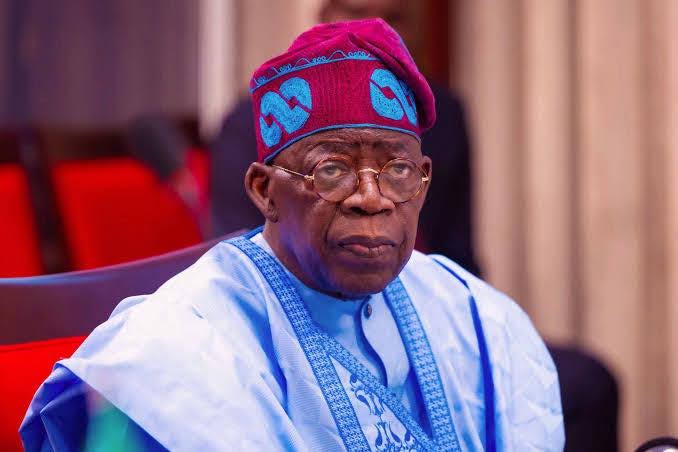
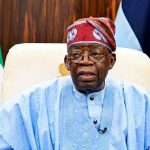
President Bola Tinubu has attributed the surge in insecurity across Nigeria to instability in neighbouring Sahel countries, claiming that problems in Burkina Faso, Mali and Niger are “adding more fuel to our challenges”. The President made the assertion on Thursday while receiving traditional rulers from Oyo State, led by the Olubadan of Ibadan, Oba Rashidi Ladoja, at the Presidential Villa in Abuja.
Speaking on the abduction of schoolchildren and teachers in Oriire, Oyo State, Tinubu reiterated his administration’s refusal to negotiate with criminals or pay ransom. He disclosed that the terrorists demanded the release of their arrested members. “They committed murder by killing one of the teachers, and we were ready to ‘finish’ with members of their families,” Tinubu said. “Some of them who are non-Nigerians. You see the problem in Mali, Burkina Faso, and Niger Republic. It’s adding more fuel to our challenges”.
But critics have slammed the President for what they describe as a convenient deflection of responsibility. The framing is problematic because it shifts blame for the crisis to external factors, portraying them as beyond the Nigerian government’s control. Terrorist activity in Nigeria did not originate in the Sahel. Boko Haram originated in Maiduguri, Borno State, and since the early 2000s, northeastern Nigeria has been its main base of operations. The insurgency began not as a result of instability in neighbouring countries but rather due to political marginalisation, corruption, poverty, weak state capacity and repression in northern Nigeria.
The opposition African Democratic Congress has also criticised Tinubu, telling him to focus on fixing the country’s security crisis and defeating terrorists rather than fighting the opposition. Describing Tinubu as Nigeria’s “Statement Maker-in-Chief,” the ADC said the President had become “a commentator” on insecurity but “a combatant” against the opposition. The Allied Peoples Movement described as illusory claims by the President that the security situation had improved, saying such claims stood in sharp contrast to the harsh realities on the ground.
READ MORE: Ghana Backs Extending Presidential Term to Five Years, Lowering Age Limit to 35
While Tinubu is correct that the Sahel has become the epicentre of terrorism and that Nigeria’s insecurity cannot be understood in isolation from violent extremism in the region, his framing ignores decades of government neglect, extra-judicial killings, state abuse and underinvestment in education, infrastructure and economic opportunities that created the conditions violent groups have systematically exploited. The World Bank has also warned against simplistic explanations that fail to account for the complex and multidimensional nature of the crisis.
The President’s comments come as insecurity continues to worsen across Nigeria. On July 23, 2026, armed bandits killed at least 24 farmers in Zamfara State. On July 28, bandits killed 13 farmers in Benue State. In June, at least 17 farmers were killed in Zamfara. Combined, more than 300 Nigerian farmers have been killed or expelled from their farms by bandits in recent months. The government’s response has been to point fingers at neighbours while Nigerian citizens continue to die.
Tinubu also announced the expansion of the Nigerian Army from eight to 12 divisions and plans to establish state police with safeguards against abuse. He assured that forest guards would be equipped to confront criminals operating in forests nationwide. But for Nigerians who have watched the administration’s security promises fail to materialise, the President’s words ring hollow. Blaming Burkina Faso, Mali and Niger for Nigeria’s insecurity does not bring back the dead. It does not rescue the kidnapped. It does not protect the farmers who cannot access their fields. It is simply another excuse from a government that has run out of them.
About The Author

Related Articles
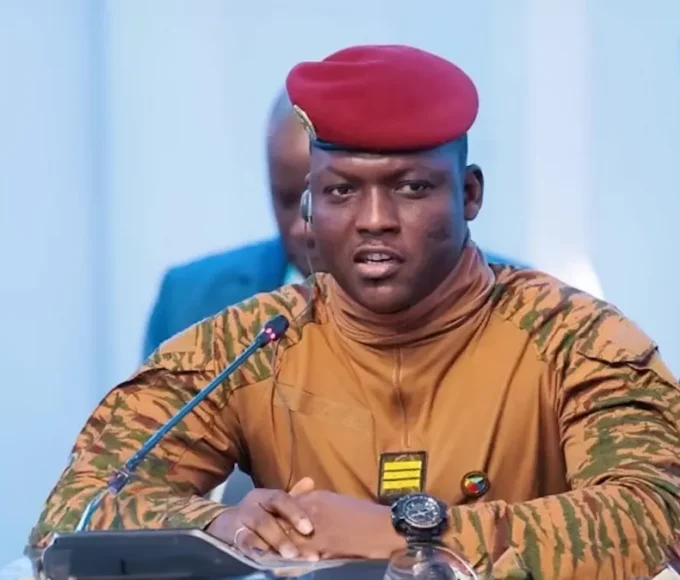
Traore Launches $30 Million Textile Complex to Cut Burkina Faso’s Reliance on Clothing Imports
Burkina Faso’s military leader, Captain Ibrahim Traore, has inaugurated a $30 million...
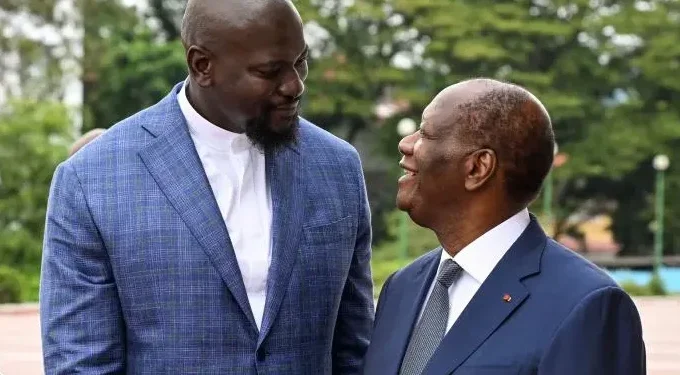
Guinea and Ivory Coast Presidents Agree to Strengthen Security, Trade and Political Ties
Guinea’s President Mamady Doumbouya arrived in Abidjan on Friday for talks with...

Algeria Severs Diplomatic Ties With UAE, Closes Airspace to Emirati Aircraft
Algeria announced on Thursday that it was cutting diplomatic ties with the...
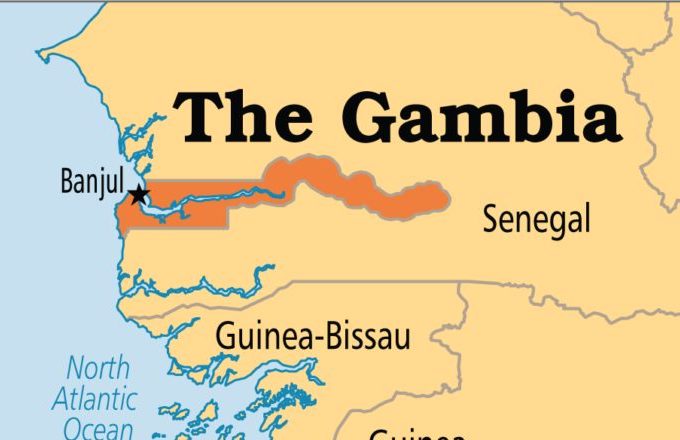

Gambia Bans Protests Without Permits After Blackout Unrest Erupts Ahead of December Election
Gambia’s police chief has banned all public protests without official permits after...
Leave a comment