






Ghana’s Revised Mining Law Promises Reform, But Questions Linger Over Enforcement
 West Africa WeeklyJuly 17, 20262 Mins read398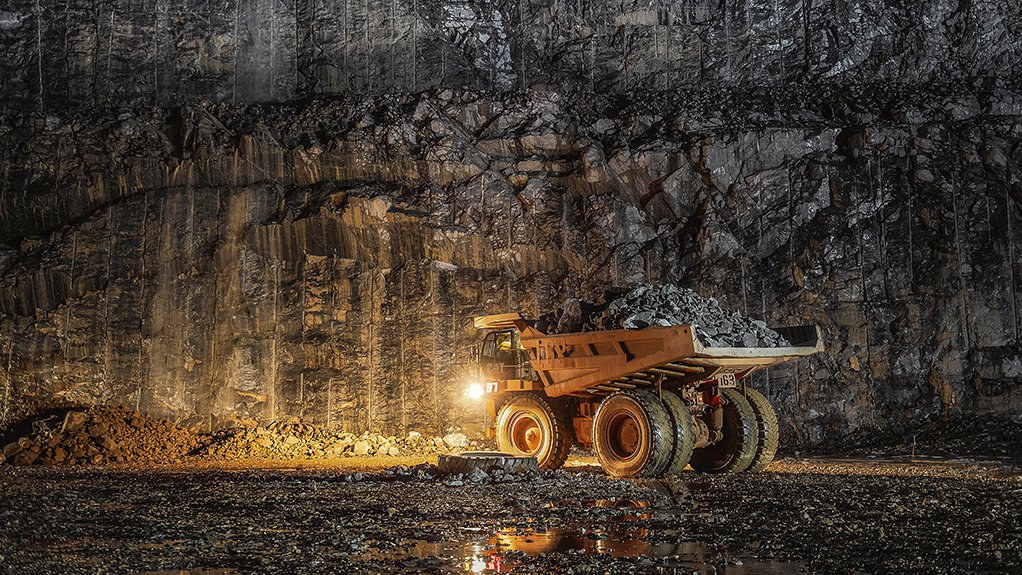
Ghana’s cabinet has approved amendments to its mining law for submission to parliament, a move the government says will increase oversight of the gold sector and curb illegal mining. But critics warn that without a credible enforcement mechanism, the reforms may amount to little more than a public relations exercise.
Mines Minister Emmanuel Armah-Kofi Buah told a news conference in Accra that the Minerals and Mining Act of 2006, which has been in force for nearly two decades, requires an overhaul to provide a forward-looking legal framework for the sector. The proposed amendments seek to strengthen local content through domestic value addition, improve linkages to manufacturing, and deal decisively with illegal mining and environmental protection.
Under the new framework, reconnaissance and prospecting licences will be replaced by a single exploration licence capped at five years. Extensions will be contingent on a review of an initial two-year work programme. The minister’s message to license holders was clear: “If for five years you can’t act, we will take it from you.” Mining leases will remain capped at 20 years, but companies will now be required to sign separate community development agreements negotiated directly with host communities.
The proposed law also creates district mining committees, giving host communities an early role in the licensing process. This is a significant shift from the current practice where decisions are made unilaterally by mining companies. The government has also introduced a sliding-scale gold royalty regime linked to prices and signalled plans to phase out fiscal stability agreements, a move that could affect major miners including Newmont, Gold Fields, AngloGold Ashanti, Zijin and Perseus.
But the reforms come with significant caveats. Ghana’s mining sector has long been plagued by illegal mining, known locally as “galamsey”, which has devastated water bodies and farmlands across the country. Despite repeated government crackdowns, the practice has persisted, driven by poverty and weak enforcement. The new law’s success will depend largely on whether the government is willing and able to prosecute offenders, including powerful political and business figures who have been implicated in the illegal trade.
The district mining committees, while a step towards community participation, could also become another layer of bureaucracy that delays licensing and creates opportunities for corruption. The requirement for separate community development agreements may empower local communities, but it remains unclear how these agreements will be monitored and enforced.
READ MORE: Sierra Leone Drops Treason Charges Against Former President Ernest Bai Koroma
A Pattern of Unfulfilled Promises
Ghana’s mining reforms are part of a broader trend across Africa, where governments are seeking to extract more value from their natural resources. But the continent has a long history of mining laws that look good on paper but fail to deliver on the ground. Corruption, weak institutions and political interference have consistently undermined reform efforts.
The Ghanaian government has not disclosed how it plans to fund the increased oversight and enforcement that the new law will require. Nor has it explained how it will address the underlying causes of illegal mining, including poverty and lack of alternative livelihoods for communities that depend on the illicit trade. The mining companies themselves have welcomed the reforms, but many have stopped short of endorsing them, preferring to wait and see how the new rules will be implemented.
Ghana is Africa’s top gold producer, and the sector is a critical source of revenue for the government. But the benefits of mining have not always trickled down to local communities, many of which have been left with polluted water, degraded land and broken promises. The revised mining law may be a step in the right direction, but it will take more than legislation to transform Ghana’s mining sector into a driver of sustainable development.
About The Author



Related Articles

Niger’s Capital Returns to Calm One Day After Failed Army Mutiny
Life in Niamey returned to normal on Sunday, one day after Niger’s...
Libyan State Bank Drags Burkina Faso to World Bank Tribunal Over Nationalised Bank
The Libyan Foreign Bank, a state-owned investment bank, has filed an international...

107 Days and Counting, Borno Children, 600 Niger Victims and NYSC Corpers Remain in Captivity as Tinubu Travels to Europe
President Bola Tinubu is in Europe on a three-week vacation while children,...

Tinubu Has Spent 261 Days Abroad, 52 Trips, N37.6bn—Enough to Build Roads, Hospitals and Schools Across Nigeria
President Bola Tinubu departed Abuja on Sunday for a three-week vacation in...
Leave a comment