

Tinubu Promised Free Education and Student Loans, Yet His Government Tried to Hike WAEC and NECO Fees to N50,000 Before Public Outcry Forced a Suspension
 West Africa WeeklyJuly 13, 20264 Mins read595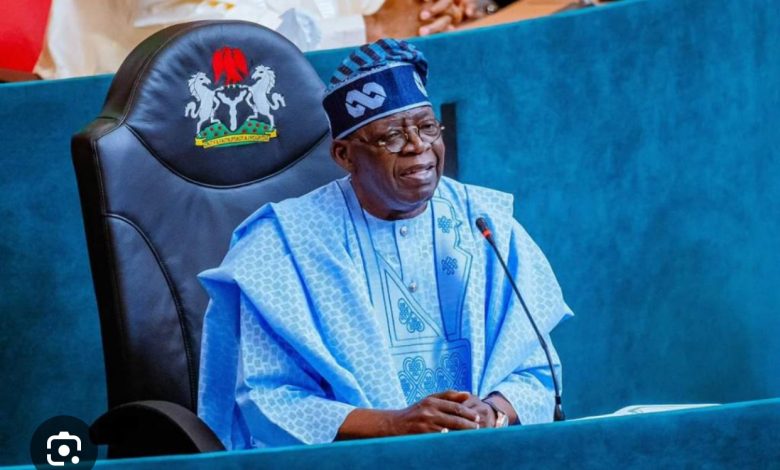
In January 2022, long before the campaign rallies and the victory speeches, Bola Tinubu made a promise that resonated with millions of struggling Nigerian families. His supporters announced that Tinubu was promising Nigerians free education from primary to university level, including free health services, if voted into power in the 2023 presidential election. The promise was clear, unambiguous, and repeated across multiple campaign platforms.
A year later, at the MKO Abiola International Stadium in Abeokuta during the Ogun State APC presidential rally, Tinubu doubled down on his commitments to Nigerian students. Standing before a massive crowd, he declared: “There will be a student loan, nobody will drop out of university because of school fees, I guarantee you that. Nobody will have to repeat one class for eight years and not graduate, we are too smart, we are brilliant, we are courageous, we will make a four-year course a four-year course”. He also promised to ensure that Nigerian youths enjoy quality education not truncated by strikes while also making jobs available for them once out of school.
These were not vague aspirations. They were specific, repeated, unambiguous commitments made to the Nigerian people in exchange for their votes. Free education from primary to university. Student loans for every Nigerian who needed them. No child would be denied access to higher education because of poverty. Those promises helped win him the presidency.
Today, three years into his administration, the contrast between Tinubu’s words and his government’s actions could not be more stark.
After his election, Tinubu signed the Student Loan Bill into law in June 2023, calling it a fulfilment of his campaign promise. The Access to Higher Education Act was meant to provide interest-free loans to Nigerians seeking higher education. It was supposed to be the cornerstone of his education policy, the proof that he cared about the future of Nigerian youth. The scheme was set to launch in October 2023, then pushed to January 2024. Then it was postponed again. And again.
By March 2026, the Nigerian Education Loan Fund had been operational for nearly two years, but serious problems had emerged. Beneficiaries reported that upkeep allowances had been halted since June, leaving hundreds of students struggling financially. State-owned institutions had their applications suspended. Reports emerged of schools withholding refunds from students who had received loans. The scheme that was supposed to remove financial barriers had become another source of hardship. NELFUND denied the suspension, insisting the reports were fake. But the damage was done. Students were suffering. Promises were broken.
And now, the same government that promised free education and student loans has tried to make secondary education more expensive for millions of Nigerian families. The Federal Government approved an 82 per cent increase in the registration fee for WAEC and NECO examinations, raising the cost from N27,500 to N50,000 per candidate beginning in 2027. The approval was contained in a statement dated June 18 and signed by Adeniji Ibrahim, Director of Senior Secondary Education at the Federal Ministry of Education. The decision followed a March 31, 2026 meeting between the Minister of Education and representatives of examination bodies.
The government defended the hike by citing rising costs of logistics, security, printing of examination materials, technology deployment, quality assurance, and other critical services. But Nigerians were not convinced. The National Association of Nigerian Students rejected the proposed fee, noting that candidates intending to sit for both WAEC and NECO would pay a combined N100,000, excluding other charges imposed by schools. Atiku Abubakar accused the Federal Government of making public education more expensive and described the hike as “cruel” and “economically insensitive”, warning that it would worsen Nigeria’s out-of-school children crisis. The Civil Society for Education Reform warned it would place an additional financial burden on millions of Nigerian families already struggling with rising living costs.
The public backlash was swift and fierce. On July 13, 2026, the Federal Government announced the suspension of the proposed fee increase following widespread public concerns. The Ministry of Education withdrew its June 18 letter to allow for broader consultations with stakeholders. Minister of Education Dr Maruf Tunji Alausa directed that implementation be halted pending consultations.
But the suspension does not erase the intent. The government thought about it. The government approved it. The government signed off on making education more expensive for millions of Nigerian children. The government only backed down because Nigerians shouted loud enough to make them.
The pattern is unmistakable. A president who promised free education and student loans now leads a government that tries to hike exam fees by 82 per cent. A president who guaranteed that no child would drop out because of school fees now presides over a government that wanted to charge N50,000 for WAEC and NECO. A president who promised to liberalise funding for education now oversees a student loan scheme plagued by delays, suspensions, and allegations of financial mismanagement.
Nigerians should remember. They should remember the rallies. They should remember the guarantees. They should remember the photographs and the headlines and the speeches filled with certainty. Tinubu promised free education from primary to university. He promised student loans. He promised that no one would drop out because of school fees. Those promises were not kept. They were never meant to be kept. They were tools of manipulation, nothing more.
The suspension of the exam fee hike is not a victory, It is a reminder. A reminder that this government will try anything, and that only public outcry can stop them. A reminder that the promises made on the campaign trail were words spoken to win votes, not commitments to be honoured. And a reminder that Nigerians must stay vigilant, because the government will keep testing how much they can get away with.
About The Author

Related Articles
Congo’s Former President Kabila Forms New Rebel Coalition With M23 to Oust Government
Former Congolese President Joseph Kabila has launched a new political-military coalition with...
Ukraine Woos Ghana to Help Return Children Abducted by Russia as War Rages On
Ukraine is pressing Ghana to join its international campaign to reunite children...
EKEDC Slams N181,000 Back Charge on Customers After Billing Error, Operations Manager Tells Residents to Do Their Worst
An Eko Electricity Distribution Company customer has accused the company of imposing...

Traoré’s Two Books Raise CFA 125 Million for Burkina Faso’s Patriotic Support Fund
Two books centred on the actions and vision of Burkina Faso’s military...
Leave a comment