


As Ghana Clears $700 Million Eurobond, Nigeria’s N159 Trillion Debt Keeps Growing Under Tinubu
 West Africa WeeklyJuly 7, 20263 Mins read629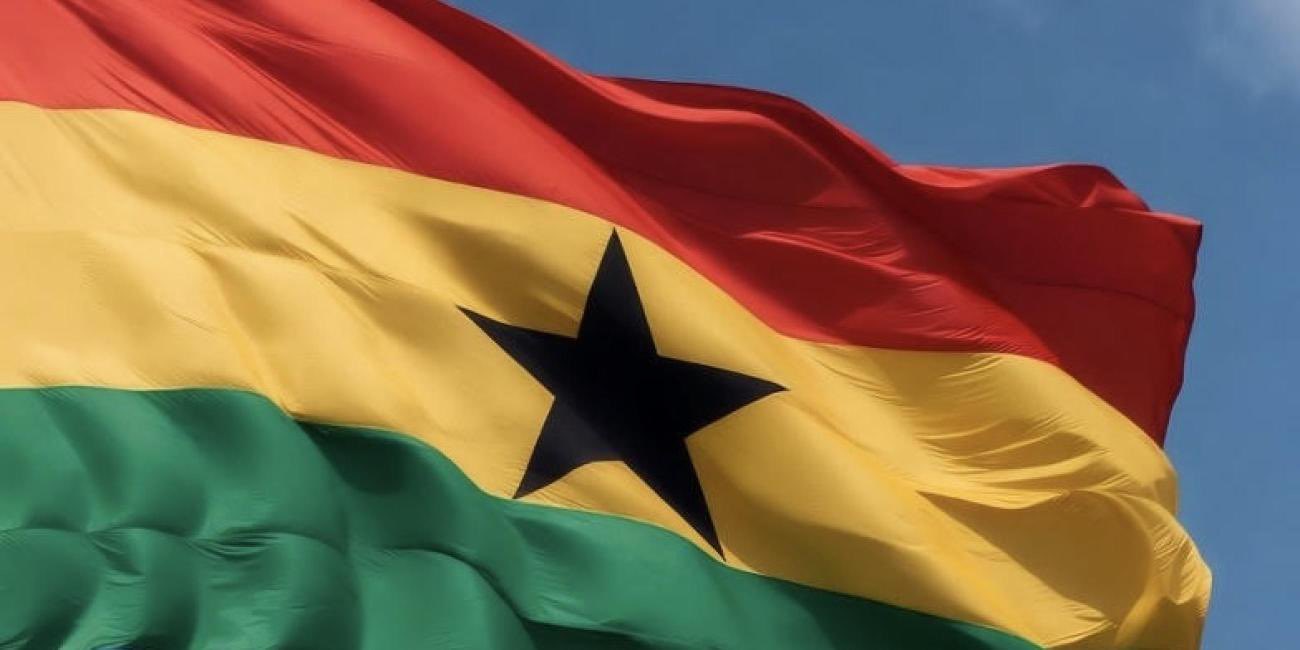
While Ghana is making significant progress in clearing its debts and rebuilding investor confidence, Nigeria’s debt burden has continued to spiral under President Bola Tinubu, with the country’s total public debt now standing at N159.28 trillion and the government preparing for fresh Eurobond issuances.
On July 2, 2026, Ghana’s Ministry of Finance fully settled a $700 million Eurobond obligation ahead of schedule, comprising $525.2 million in principal repayments and $174.8 million in interest payments. The payment brings Ghana’s total Eurobond repayments to $2.1 billion since January 2025 under the terms of the country’s Eurobond Debt Exchange Programme. The Ministry described the settlement as part of the government’s planned financing arrangements, designed to avoid putting undue pressure on the country’s foreign exchange reserves, adding that the payment “reduces Ghana’s outstanding Eurobond debt, strengthens investor confidence, and demonstrates the government’s commitment to prudent debt management and macroeconomic stability”.
Ghana’s economic recovery has been bolstered by substantial international support. Bilateral creditors have provided about $2.8 billion in debt relief, described by experts as crucial to the country’s economic outlook. The country’s public debt-to-GDP ratio declined to 42.2 per cent in February 2026 from levels above 50 per cent in the same period of 2025. Gross international reserves have risen to an all-time high of approximately $14.5 billion by February 2026, equivalent to nearly six months of import cover, and Ghana’s sovereign credit ratings have improved from restricted default to B with a positive outlook.
In May 2026, Ghana formally concluded its three-year Extended Credit Facility bailout programme with the International Monetary Fund ahead of schedule, transitioning to a Policy Coordination Instrument, a non-financing technical assistance arrangement. The IMF confirmed that Ghana’s economic programme had delivered “substantial stabilization gains driven by strong reform efforts and significant progress in public debt restructuring, leading to sharply lower inflation, higher external buffers, improved confidence in the cedi, and marked debt sustainability gains”. The government has ruled out a return to international capital markets for the remainder of 2026.
Nigeria’s debt trajectory stands in stark contrast. According to the Debt Management Office, Nigeria’s total public debt has climbed to N159.28 trillion as of April 2026, meaning every Nigerian owes approximately N670,000. Under President Tinubu, the administration has added N65.9 trillion in just 24 months, more than five times the N12 trillion accumulated over Nigeria’s first 55 years of independence. The country’s total public debt has grown from about N87 trillion when Tinubu took office in May 2023 to roughly N160 trillion by early 2026. Nigeria is the World Bank’s third-largest borrower globally, with debt exposure reaching $18.5 billion as of March 2026, behind only Bangladesh and Pakistan.
Rather than slowing borrowing, the Tinubu administration is preparing to return to the international capital markets. In June 2026, the Federal Government announced plans for its first Eurobond issuance since November 2025, inviting banks and professional advisers to express interest in supporting the potential international debt sale. The planned Eurobond sale forms part of a dual-track external financing approach to fund the 2026 budget deficit and refinance costly short-term domestic debt. Nigeria has also established a $5 billion total return swap facility with First Abu Dhabi Bank, from which about $1.5 billion has already been accessed.
The administration has defended its borrowing record. Finance Minister Taiwo Oyedelu told an audience in Abuja that Nigeria has never defaulted on its debt obligations. “We have never defaulted. So the sovereign spread between how much Nigeria pays and how much the US pays is just the default risk, and we have never defaulted. And we are paying so much spread,” Oyedele stated. He has argued that public concern over borrowing is rooted in “historical trauma rather than sound finance principles” and that debt should be viewed as “a productive financial instrument rather than a moral failing”.
The contrast between the two West African neighbours could not be more striking. Ghana, having completed its IMF bailout programme and made early debt repayments, is now focused on fiscal consolidation and has ruled out fresh borrowing from international markets. Nigeria, by contrast, continues to accumulate debt at an unprecedented rate, with N15.81 trillion projected for debt servicing in the 2026 budget alone, representing roughly 23 per cent of total government spending and close to 45 per cent of expected government revenue. While Ghana’s debt-to-GDP ratio has declined to 42.2 per cent, Nigeria’s stands at approximately 48 per cent, with projections suggesting it could reach 53.8 per cent by the end of 2026.
As Ghana celebrates its progress in clearing debts and restoring investor confidence, Nigeria under President Tinubu is charting a very different course, one that critics warn could lead to a debt trap that will burden generations of Nigerians to come. With the government planning fresh Eurobond issuances and the World Bank approving another $1.25 billion loan for the country in July 2026, the gap between the two nations’ fiscal trajectories is growing wider by the day.
About The Author

Related Articles
Cameroon Commits to Stronger Bilateral Ties with Nigeria
Cameroon has reaffirmed its commitment to strengthening bilateral relations with Nigeria, pledging...
Ghana Borrows $288 Million at 11% to Pay Cocoa Farmers After Delayed Purchases
Ghana’s cocoa regulator has been forced to borrow 3.39 billion cedis, about...
Burkina Faso President Ibrahim Traoré Defies FIFA, Vows to Intervene in Football Federation After 7-0 Argentina Humiliation
Burkina Faso’s military leader, Captain Ibrahim Traoré, has vowed to intervene directly...

INEC Turns to AI for Election Verification While Nigerians Still Queue for PVCs and Results Vanish on IReV
The Independent National Electoral Commission has announced plans to deploy artificial intelligence...
Leave a comment