



AES Pushes Resource Control as Niger Secures $1 Billion Oil Pact With China
 West Africa WeeklyMay 20, 20262 Mins read895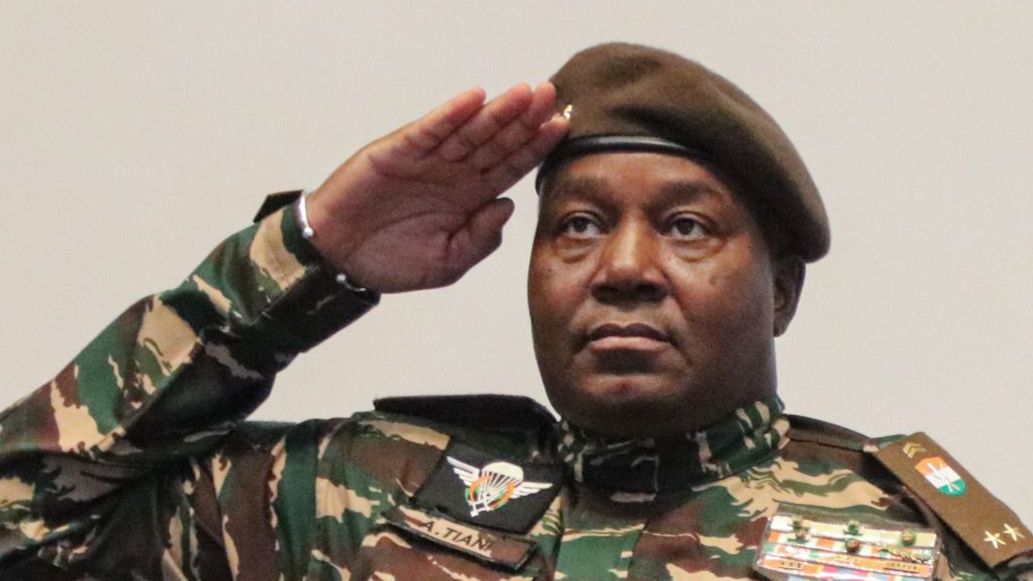
Niger’s military led government has signed a sweeping series of oil agreements with Chinese energy firms, marking a major strategic pivot for the Alliance of Sahel States as it pushes for greater control over the region’s natural resources.
The deals, which include the relaunch of two major oil projects valued at $1 billion, were announced on Monday in Niamey. Speaking at the signing ceremony, Nigerien Prime Minister Ali Mahaman Lamine Zeine described the partnership as a significant advance for the country’s petroleum sector. The agreements come after months of tensions between Niamey and Chinese operators over labour disputes and regulatory compliance, during which Niger expelled three senior Chinese oil executives and demanded the termination of contracts for expatriate workers who had spent more than four years in the country.
Niger Seeks Greater Control Over Strategic Oil Assets
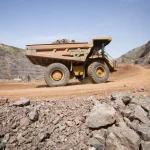
Under the newly signed accords, two oil projects known as Dinga Deep and Abolo-Yogou will be relaunched with planned investments of approximately $1 billion. Nigerien Foreign Minister Bakary Yaou Sangare said the projects are expected to raise the country’s crude production from 110,000 barrels per day to 145,000 barrels per day by the end of 2029.
As part of the agreements, Niger also secured a 45% stake in the West African Oil Pipeline Company, a subsidiary of China National Petroleum Corporation that operates the export pipeline linking Niger to neighbouring Benin. The state previously had no ownership in that strategic infrastructure.
READ MORE: Wizkid, Tems, Burna Boy, Asake Earn 2026 BET Awards Nominations
Pipeline Cost Savings Bolster Niger’s Position
The agreements also delivered a major financial victory for Niamey. The cost of transporting crude for export through the Niger Benin pipeline has been reduced from $27 to $15 per barrel, a change projected to save the country more than $106 million annually. The deals also include commitments to create 450 local jobs and expand subcontracting opportunities for Nigerien firms.
The latest agreements come almost a year after Niger’s military led government began tightening oversight of foreign participation in its oil industry, particularly targeting the dominance of Chinese expatriate workers in the sector. In 2025, Oil Minister Sahabi Oumarou instructed CNPC and refinery operator SORAZ to terminate contracts of expatriate employees who had spent more than four years in the country.
AES Bloc Pushes Broader Resource Control Agenda
The deal reflects a wider sovereignty focused economic agenda across the Alliance of Sahel States, a regional bloc formed by the military led governments of Niger, Burkina Faso, and Mali after their withdrawal from the Economic Community of West African States. Analysts note that 2026 is witnessing a resurgence of resource nationalism across Africa, with governments increasingly seeking to retain more value from their natural resources through export controls, local processing requirements, and state backed investment frameworks. The creation of issue based alternative groupings like the AES signals a continental shift towards fluid regional cooperation rather than strict geographical arrangements.
For Niger, a landlocked nation that has long struggled to capitalise on its mineral wealth, the agreement represents a calculated gamble. By leveraging tensions with established partners to extract better terms, the junta has secured a larger ownership stake in critical infrastructure, lower export costs, and a clear pathway to increased production. Whether the ambitious production targets by the end of 2029 are met will depend on sustained investment and political stability, but for now, Niamey has positioned itself as a rising energy player in West Africa.
About The Author


Related Articles
Senegal’s Power Cuts Force Government to Push Gas as the Long-Term Fix
Senegal’s energy minister says the power cuts that hit the country hard...
Ethiopia and Eritrea Cut Diplomatic Ties as Tigray Conflict Escalates
Ethiopia and Eritrea have severed diplomatic relations as renewed fighting in northern...

Tinubu Cannot Even Speak for Himself, Nigerians Say After Edited Broadcast Exposed
Nigerians on social media have accused the Presidency of manipulating President Bola...
Tinubu’s Cancer Analogy Backfires as Nigerians Remind Him He Was in Power Since 2015
President Bola Tinubu’s attempt to paint himself as the leader who inherited...
Leave a comment