







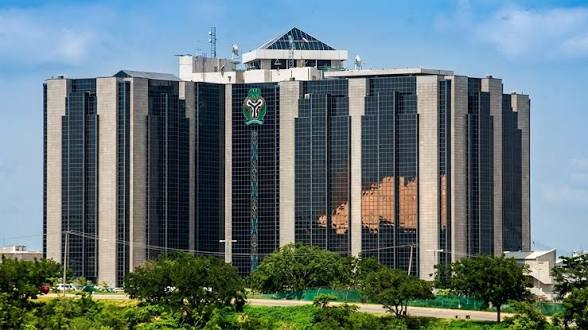
The Central Bank of Nigeria has increased the fee for the issuance and replacement of Automated Teller Machine debit and credit cards by 50 percent, raising the cost from N1,000 to N1,500. The revised fee will take effect from May 1, 2026, and applies to standard cards issued by banks and other regulated financial institutions across the country.
In a corresponding move, the apex bank abolished the N50 monthly maintenance charge previously applied to naira debit and credit cards, a fee that often attracted an additional 7.5 percent Value Added Tax. However, customers using foreign currency denominated cards will still be required to pay an annual maintenance fee of $10.
The new charges are contained in the Exposure Draft of the Guide to Charges by Banks and Other Financial Institutions in Nigeria, 2026. The draft follows a circular issued to banks and other financial institutions on April 21, 2026, signed by Dr. Rita I. Sike, director of the Financial Policy and Regulation Department.
READ MORE: Tinubu’s Debt Relief Fails to Avert New Seven Day Shutdown Warning from Nigerian Airlines
Under the revised framework, charges for premium debit, credit, or hybrid cards will be negotiable, while virtual cards will attract no issuance fees. The CBN also reiterated that all ATM transactions at merchant point of sale terminals will no longer attract charges to cardholders, as the merchant service charge will be borne by merchants. This charge has been set at 0.5 percent of the transaction value, subject to a maximum of N10,000.
Explaining the rationale behind the review, the CBN stated that the updated guide is part of its mandate to promote a safe and sound financial system, accelerate the adoption of innovative financial services, and enhance financial inclusion, particularly for micropayments. The bank added that the reforms are also intended to strengthen oversight and accountability while encouraging the wider adoption of electronic payment channels.
The draft guide has been opened for public comments, with submissions accepted via email on or before May 8, 2026. The new framework will replace the previous guidelines issued in January 2020 once it takes effect.
About The Author







Leave a comment